We're loading the full news article for you. This includes the article content, images, author information, and related articles.
A shocking investigation reveals how impostors posing as journalists have infiltrated Nigeria’s National Assembly, leading to security breaches and military brutality, while legitimate reporters face arbitrary bans.
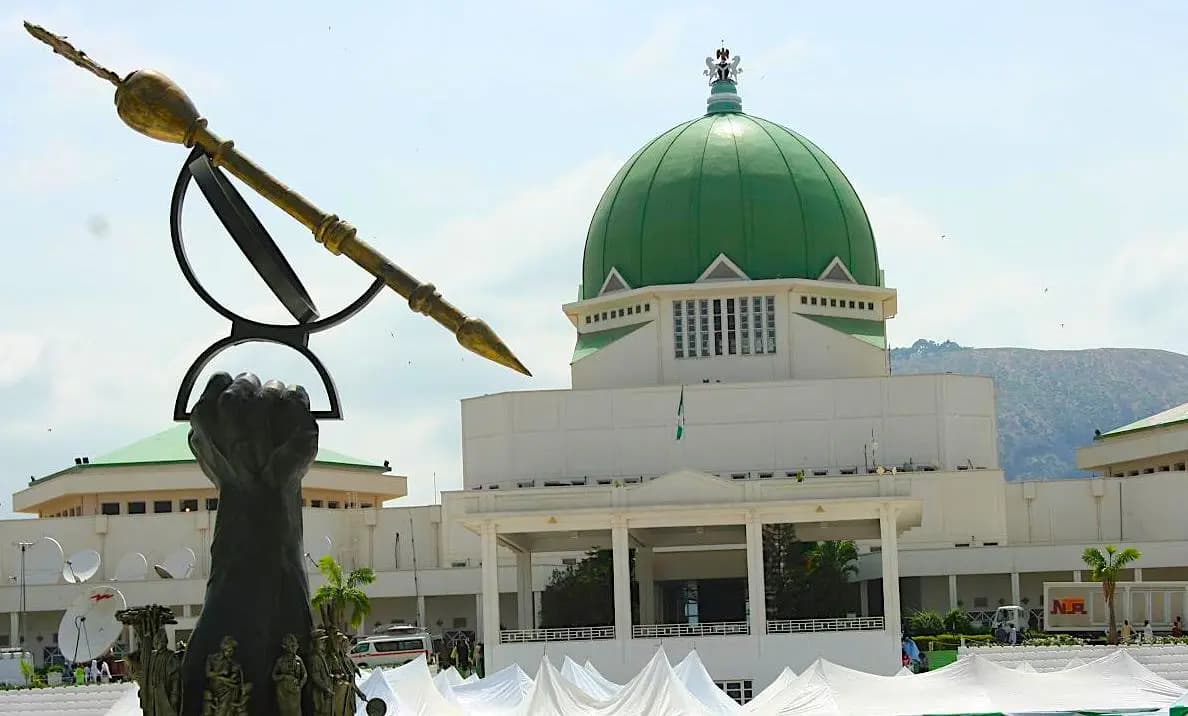
The corridors of power in Abuja have become a playground for fraudsters. In a shocking exposure of systemic rot, Nigeria’s National Assembly—the very heart of the continent’s largest democracy—has been unmasked as a security sieve, where impostors posing as journalists roam freely while legitimate press members face harassment, intimidation, and corporal punishment by military personnel.
A deep-dive investigation by Premium Times has revealed a harrowing reality that threatens not just the safety of lawmakers but the sanctity of the Fourth Estate itself. The absence of a unified, verifiable accreditation system has created a dangerous vacuum. Into this void have stepped con artists and intelligence gatherers disguised as reporters, exploiting a chaotic security apparatus that seems more interested in humiliating genuine scribes than securing the legislative complex. This is not just a Nigerian crisis; it is a flashing red warning light for parliaments across Africa, including our own in Nairobi.
The indignity visited upon the press in Abuja reached a nadir in an incident that reads like a script from a military dictatorship. Witnesses described a chilling scene at the National Assembly Arcade where a Nigerian Army Major-General, flanked by subordinates, was seen forcing three men to perform "frog jumps" while holding their ears—a corporal punishment reserved for errant recruits, not civilians.
It was later revealed that these men were impostors who had duped the General by posing as journalists. While their deceit is criminal, the military’s resort to jungle justice within the legislative precinct exposes a total breakdown of the rule of law. It raises the terrifying question: If a General can be duped so easily inside a "secure" zone, who else is walking through those gates? Terrorists? Assassins? Spies?
The root of this chaos is bureaucratic incompetence. Unlike the Kenyan Parliament, which maintains a relatively strict (though often contentious) accreditation list, the Nigerian National Assembly lacks a centralized database of verified journalists.
For observers in Nairobi, the chaos in Abuja is a mirror. While we have not yet seen journalists frog-marched by KDF officers at Parliament Buildings, the friction between the Media Council of Kenya (MCK) and legislative security is a perennial flashpoint. The Nigerian debasement serves as a grim reminder that when institutions fail to respect the formal structures of the press, they do not just silence critics—they open the door to criminals. Security is not a zero-sum game; you cannot have a safe parliament without a safe and free press.
As the Nigerian legislative leadership scrambles to respond to this report, the damage is already done. The image of men frog-jumping in the shadow of the Aso Rock Villa is a stain on the democratic fabric of the region. It is a stark lesson that in the absence of order, power will always revert to the boot and the whip.
Keep the conversation in one place—threads here stay linked to the story and in the forums.
Sign in to start a discussion
Start a conversation about this story and keep it linked here.
Other hot threads
E-sports and Gaming Community in Kenya
Active 9 months ago
The Role of Technology in Modern Agriculture (AgriTech)
Active 9 months ago
Popular Recreational Activities Across Counties
Active 9 months ago
Investing in Youth Sports Development Programs
Active 9 months ago



