We're loading the full news article for you. This includes the article content, images, author information, and related articles.
The death of Ahed Tareq al-Bayouk near Rafah challenges the stability of the US-backed truce, as the total death toll surpasses the capacity of Nairobi’s Kasarani Stadium.
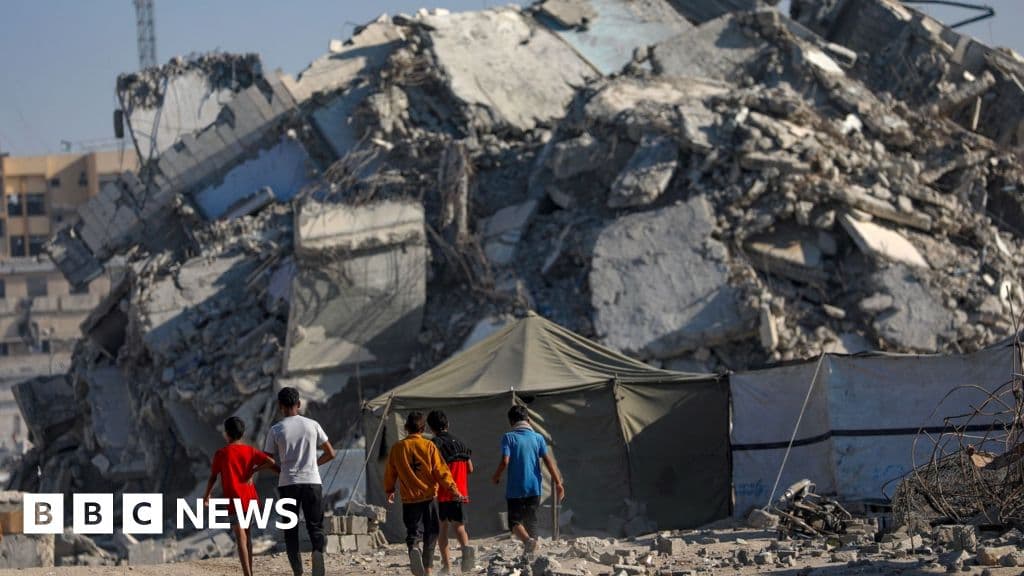
Three-year-old Ahed Tareq al-Bayouk was playing outside her family’s tent in southern Gaza when a single bullet reportedly ended her life, piercing the fragile calm of a two-month-old ceasefire.
Her death on Sunday tests the limits of the US-backed peace plan, occurring on the Palestinian side of the "Yellow Line"—a demarcation meant to separate Israeli troops from the civilians they agreed to leave behind. While the Israel Defense Forces (IDF) stated they were "not aware of a strike," military officials confirmed they would conduct an "additional review" as details from the ground emerged.
The incident in Mawasi, Rafah, highlights the lethal ambiguity of the current truce. Although a cessation of hostilities officially began in October, the reality on the ground remains volatile. Local sources indicate Ahed was shot near the very shelter her family sought for safety.
Data from Amnesty International paints a grim picture of this "peace." Since the agreement came into effect:
The IDF maintains that its operations are targeted, yet the proximity of combat operations to civilian zones continues to draw international condemnation. The military pledged to investigate the circumstances of Ahed’s death further as evidence is provided.
The geography of this tragedy is significant. Ahed was killed behind the Yellow Line, a zone designated for Palestinian civilians under the first phase of the US-brokered roadmap. This phase was intended to facilitate the withdrawal of Israeli troops and the safe exchange of captives.
Progress on the hostage front has been substantial but incomplete. The agreement required the return of:
While most have been returned, the process has stalled over the remains of Ran Gvili, a 24-year-old Israeli police officer. Gvili was killed while defending against the initial Hamas-led assault, which claimed approximately 1,200 lives and saw 251 people taken hostage.
For Ahed’s family in Rafah, however, diplomatic protocols offer little comfort. The upcoming IDF review may clarify the chain of events, but it cannot reverse the tragedy of a childhood cut short in a war that refuses to truly end.
Keep the conversation in one place—threads here stay linked to the story and in the forums.
Sign in to start a discussion
Start a conversation about this story and keep it linked here.
Other hot threads
E-sports and Gaming Community in Kenya
Active 9 months ago
The Role of Technology in Modern Agriculture (AgriTech)
Active 9 months ago
Popular Recreational Activities Across Counties
Active 9 months ago
Investing in Youth Sports Development Programs
Active 9 months ago