We're loading the full news article for you. This includes the article content, images, author information, and related articles.
In a candid year-end interview, the Majority Leader claims the former President’s "deep pockets" failed to sway a citizenry tired of dynasty politics, signaling a deepening rift despite talk of reconciliation.
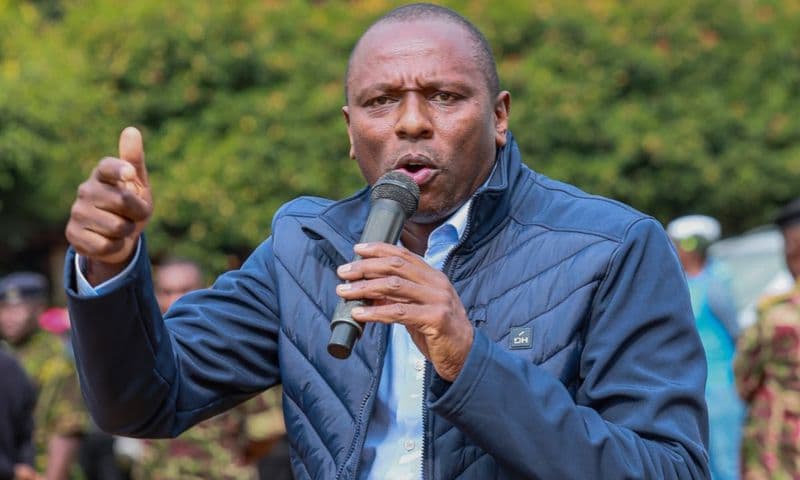
National Assembly Majority Leader Kimani Ichung’wah has stripped away the diplomatic veneer, accusing former President Uhuru Kenyatta of attempting to "buy" Kenya’s political future with his vast family fortune—a gamble Ichung’wah says has spectacularly failed.
The explosive interview, published yesterday by the Daily Nation, marks a volatile end to 2025. It suggests that despite whispered truce talks earlier this year, the battle for the heart of the Mt. Kenya region—and the soul of the electorate—is far from over. For the average Kenyan struggling with the price of unga, it’s a stark reminder: the elephants are still fighting, and the grass is getting trampled.
Ichung’wah did not mince words regarding what he perceives as the former Head of State's interference in the current administration. "Uhuru thought his deep pockets would alter Kenyans' decisions," Ichung’wah asserted, referencing alleged clandestine funding of political dissent throughout the year.
The Kikuyu MP argued that the Kenyatta family's financial muscle—often estimated in the hundreds of billions of shillings—is no longer the potent political currency it once was. He painted a picture of a citizenry that has become "transaction-proof," valuing delivery over handouts.
"When I look at Uhuru," Ichung’wah told the Nation, "he looks like the person who tends to over-work to bring others down." This characterization of the former President as a spoiler rather than a statesman suggests that the government is preparing to take the gloves off in 2026.
While the political elite trade barbs over billions, the reality for Wanjiku remains gritty. The accusation of weaponized wealth stings in a country where the average household is battling inflation. If indeed billions were spent to "alter decisions," many Kenyans are asking: why wasn't that money used to alleviate the suffering in the very strongholds being contested?
Ichung’wah’s rhetoric serves a dual purpose: it delegitimizes the opposition by framing it as a rich man's hobby, and it insulates the Ruto administration from criticism by blaming external sabotage. However, analysts warn that blaming the predecessor is a strategy with diminishing returns as we approach the halfway mark of the presidential term.
The interview also subtly revived the threat of the "State Capture" Commission. Throughout 2024 and 2025, Ichung’wah has hinted at legislation to investigate how public resources were managed in the previous decade. By focusing on Uhuru’s "deep pockets," the Majority Leader is laying the groundwork for a potential inquiry into the origins of that wealth.
"We are not just dealing with a political rival," a source close to the Majority Leader’s office noted. "We are dealing with an economic system that refuses to be dismantled."
As 2026 dawns, the message from the government is clear: the era of the checkbook deciding the ballot is over. Whether the Kenyan voter agrees—or simply wants the cost of living fixed regardless of who pays for it—remains the only verdict that matters.
Keep the conversation in one place—threads here stay linked to the story and in the forums.
Sign in to start a discussion
Start a conversation about this story and keep it linked here.
Other hot threads
E-sports and Gaming Community in Kenya
Active 9 months ago
The Role of Technology in Modern Agriculture (AgriTech)
Active 9 months ago
Popular Recreational Activities Across Counties
Active 9 months ago
Investing in Youth Sports Development Programs
Active 9 months ago



