We're loading the full news article for you. This includes the article content, images, author information, and related articles.
After more than a decade, the International Criminal Court has closed its investigation into the 2007-2008 post-election violence. Yet, for victims, the hunt for two men accused of witness tampering means justice remains an unfinished chapter.
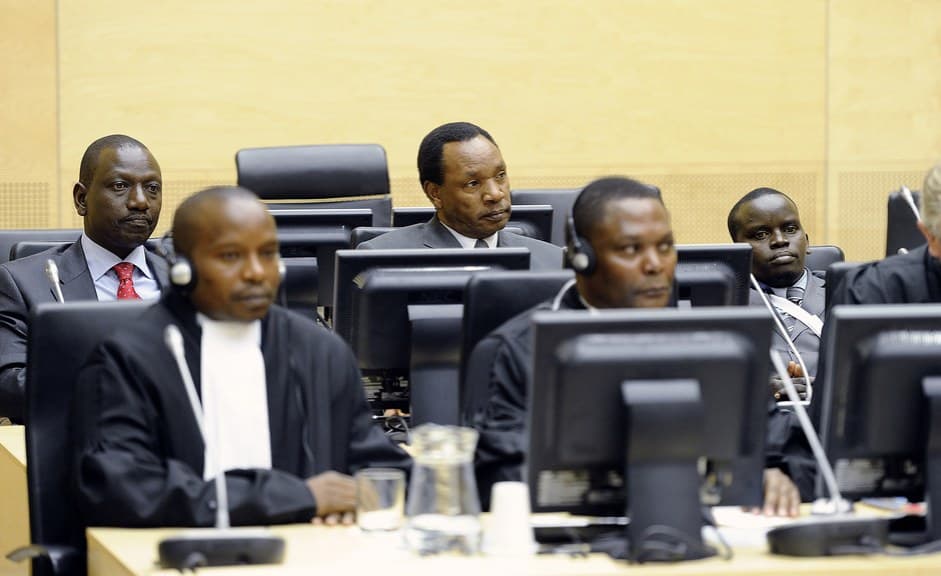
The International Criminal Court (ICC) has formally concluded its investigation into Kenya's deadly 2007-2008 post-election violence, a chapter that saw the country's highest leaders charged and later acquitted, reshaping its political landscape. The decision, announced on November 27, 2023, brings an end to a 13-year inquiry that ultimately yielded no convictions for the masterminds of the violence.
For Kenyans, this marks a quiet end to a turbulent period that once dominated national conversation. The violence left over 1,100 people dead and displaced more than 600,000 from their homes, yet no senior figure has been held accountable. The closure of the main investigation leaves many victims and their families with unanswered questions about truth, reparations, and what this means for preventing future political violence.
The ICC's journey in Kenya was fraught with challenges from the start. High-profile cases against six prominent Kenyans, including current President William Ruto and former President Uhuru Kenyatta, all collapsed between 2013 and 2016. The court cited insufficient evidence, withdrawn testimony, and what it described as a systematic campaign of witness interference and political meddling.
This formal closure of the investigation phase was confirmed by ICC Deputy Prosecutor Nazhat Shameem Khan, who noted the decision was made after assessing all available information. However, the court's work in Kenya is not entirely over. It underscores that its focus has now shifted to two outstanding arrest warrants for individuals accused of corruptly influencing witnesses.
The remaining threads of the ICC's presence in Kenya now centre on two fugitives who have been at large for years. The court is still actively seeking:
These warrants, issued under Article 70 of the Rome Statute, target offences against the administration of justice—crimes the prosecution believes were instrumental in undermining the cases against the main suspects. The court's continued pursuit signals that while the main inquiry is over, the integrity of the judicial process itself remains a key concern.
For many human rights advocates, the failure to secure any convictions is a painful outcome. The Kenya Human Rights Commission (KHRC) expressed disappointment, stating the decision leaves victims in a state of limbo without a clear path to closure or reparation. The collapse of the cases has been attributed by observers to a powerful anti-ICC campaign, political interference, and the disappearance or death of several potential witnesses under mysterious circumstances.
As the dust settles on the ICC's long and complex intervention, the responsibility for accountability now falls squarely on Kenya's domestic institutions. The closure of the international investigation is not an end to the quest for justice, noted the International Federation for Human Rights (FIDH), but rather a catalyst for the government to intensify its own commitment to the rule of law. For the thousands of Kenyans still bearing the scars of the violence, the hope for justice, however distant, now lies at home.
Keep the conversation in one place—threads here stay linked to the story and in the forums.
Sign in to start a discussion
Start a conversation about this story and keep it linked here.
Other hot threads
E-sports and Gaming Community in Kenya
Active 9 months ago
The Role of Technology in Modern Agriculture (AgriTech)
Active 9 months ago
Popular Recreational Activities Across Counties
Active 9 months ago
Investing in Youth Sports Development Programs
Active 9 months ago



