We're loading the full news article for you. This includes the article content, images, author information, and related articles.
The storm's explosive growth to a Category 5 hurricane, fueled by record ocean heat, serves as a stark preview of the volatile weather patterns Kenya and the wider Indian Ocean region face in a warming world.
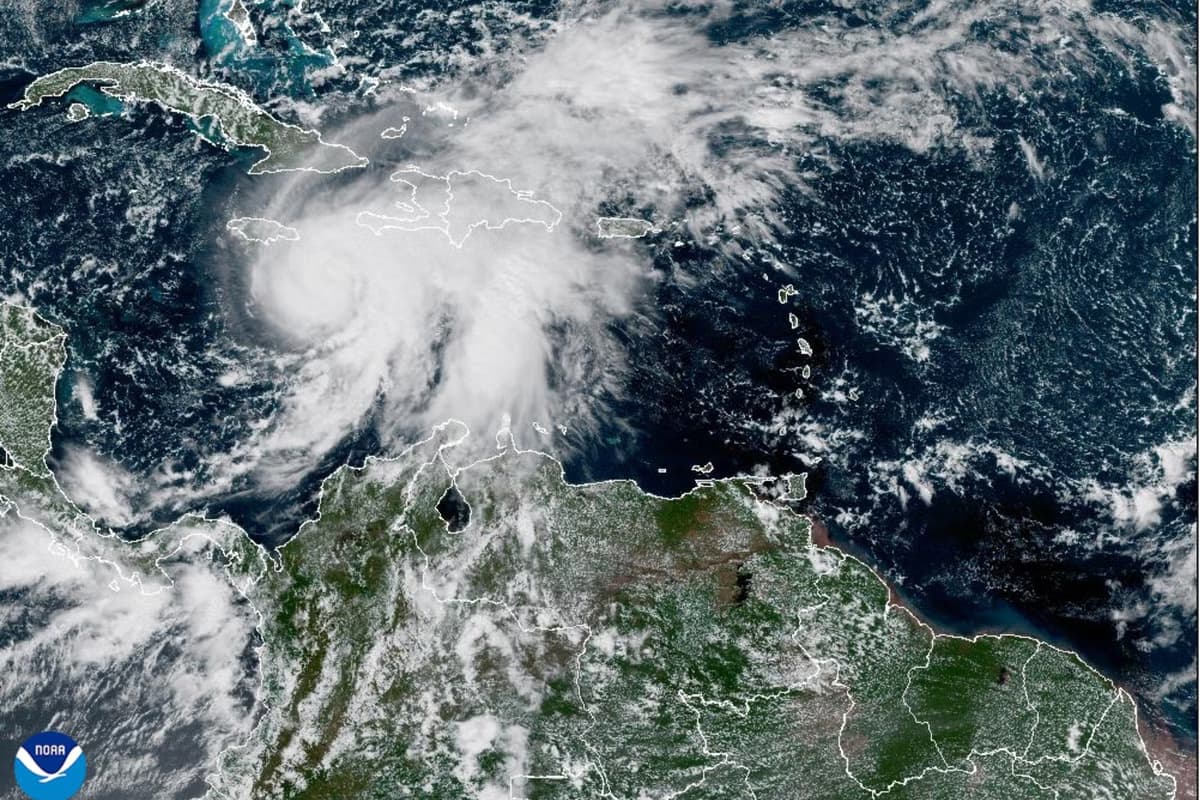
Hurricane Melissa intensified into a catastrophic Category 5 storm on Monday, with the U.S. National Hurricane Center reporting maximum sustained winds of 175 mph (281 km/h) as it bears down on Jamaica. The storm's explosive development, jumping from a 70mph tropical storm to a 140mph hurricane in just one day, is one of the fastest intensifications on record in the Atlantic. Scientists state this phenomenon is a clear symptom of climate change, driven by abnormally warm ocean waters that provide a vast reservoir of energy for storms.
As of Monday evening EAT, the hurricane's core was located approximately 150 miles southwest of Kingston, Jamaica, moving slowly and threatening catastrophic flash flooding, landslides, and storm surges of up to 13 feet. The National Hurricane Center (NHC) has issued stark warnings for Jamaica, Cuba, and the Bahamas, predicting rainfall totals that could reach 40 inches (over 1,000mm) in localized areas of Jamaica—more than the annual average rainfall for its capital, Kingston.
The primary driver behind Melissa's rapid intensification is the exceptional warmth of the Atlantic Ocean. According to Akshay Deoras, a meteorologist at the University of Reading, the sea surface temperature in that part of the Atlantic is around 30°C (86°F), which is 2 to 3°C above normal. Crucially, this heat is not just on the surface; deeper layers of the ocean are also unusually warm, providing sustained fuel for the hurricane. Climate Central, a U.S.-based research group, reports that human activities such as the burning of fossil fuels have made this level of ocean heat in the Atlantic between 500 and 700 times more likely. A 2023 study found that Atlantic hurricanes are now more than twice as likely to undergo rapid intensification compared to previous decades.
"Climate change is fundamentally changing our weather," stated Bernadette Woods Placky, chief meteorologist at Climate Central. While not every storm will intensify so dramatically, the warming world significantly increases the likelihood of such events. Hurricane Melissa is reportedly the fourth storm in the Atlantic this year to undergo rapid intensification, a trend scientists warn is becoming dangerously common.
While Hurricane Melissa poses no direct threat to East Africa, its formation and behaviour are a critical warning for the Indian Ocean basin. Kenya is recognized as highly vulnerable to climate change, with over 70% of its natural disasters attributable to extreme climate events. The nation's economy is heavily dependent on climate-sensitive sectors like agriculture, tourism, and water resources, all of which are under threat.
The same ocean warming phenomenon fueling Melissa is also being observed closer to home. The Indian Ocean has experienced a net increase in temperatures, leading to more frequent and intense cyclones. Recent years have seen devastating storms like Cyclone Idai (2019) and Cyclone Freddy (2023), which became the longest-lasting tropical cyclone ever recorded at 36 days. These storms demonstrate the growing threat to Southern and Eastern Africa. Scientists have noted a clear trend of rapid intensification in the Indian Ocean, with cyclones like Amphan (2020) strengthening dramatically in just 18 hours due to warm sea temperatures.
For Kenya, the risks are multifaceted. Rising sea levels threaten coastal counties, including Mombasa, Kilifi, and Lamu, where flooding is expected to intensify. The Kenya Meteorological Department recently warned of heavy rains and strong winds along the coast from Cyclone Chenge, highlighting the ever-present threat. Furthermore, climate change is projected to increase the frequency of both extreme droughts and intense rainfall, disrupting agriculture, threatening food security, and damaging critical infrastructure. The United Nations Environment Programme (UNEP), headquartered in Nairobi, has repeatedly warned that East Africa suffers some of the heaviest impacts of the climate crisis despite contributing minimally to global emissions.
Hurricane Melissa is therefore more than a distant weather event; it is a clear illustration of a global climate system becoming more volatile and dangerous. The lessons from its rapid intensification in the Atlantic are directly applicable to the Indian Ocean, underscoring the urgent need for Kenya to bolster its climate adaptation measures, enhance early warning systems, and protect its vulnerable coastal and inland communities from the escalating threat of extreme weather.
Keep the conversation in one place—threads here stay linked to the story and in the forums.
Sign in to start a discussion
Start a conversation about this story and keep it linked here.
Other hot threads
E-sports and Gaming Community in Kenya
Active 10 months ago
The Role of Technology in Modern Agriculture (AgriTech)
Active 10 months ago
Popular Recreational Activities Across Counties
Active 10 months ago
Investing in Youth Sports Development Programs
Active 10 months ago



