We're loading the full news article for you. This includes the article content, images, author information, and related articles.
Government scrambles to secure donor support today after failed October-December rains leave 32 counties exposed to acute food insecurity until mid-2026.
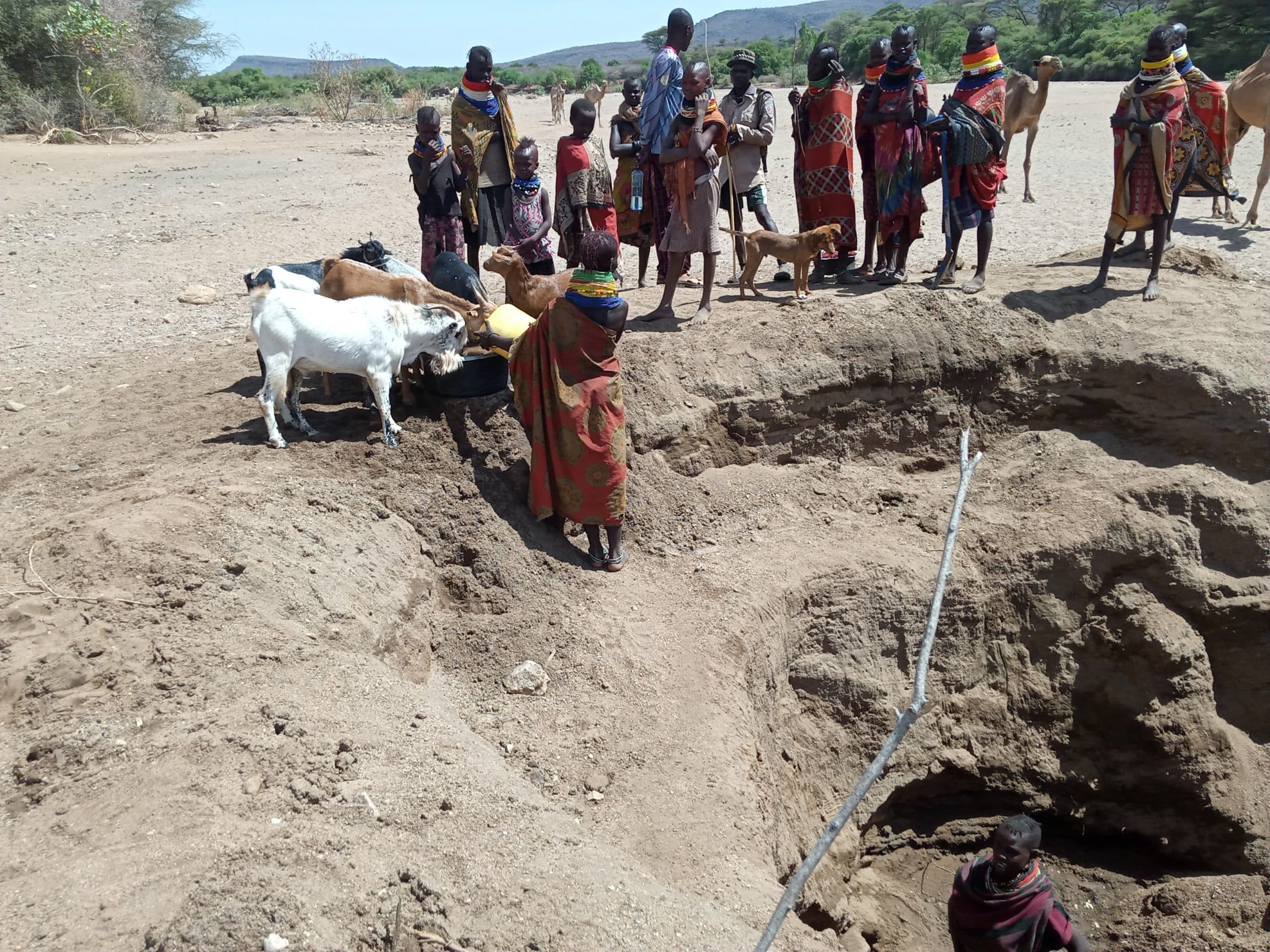
For 2.1 million Kenyans, the skies have remained stubbornly clear when they should have been grey, turning the promise of the October-December short rains into a national emergency. On Monday, Deputy President Kithure Kindiki convened a high-stakes crisis meeting at Harambee Annex, admitting that the government must now race against time to feed millions until the next harvest.
The situation is precarious. With the short rains officially categorized as insufficient, the government has acknowledged that the window for recovery has closed. The resulting dry spell is not just a meteorological statistic; it is a livelihood crisis that will grip 32 counties for the next six months.
The urgency of Monday’s meeting, which brought together Cabinet Secretaries, Principal Secretaries, and the Council of Governors, stems from a grim timeline issued by the Kenya Meteorological Department. The data indicates that the affected regions will require sustained human and livestock assistance until at least May 2026.
"The government is targeting the provision of food and non-food items to millions of Kenyans affected by the drought," Deputy President Kindiki stated, emphasizing that the interventions must bridge the gap until the March–May long rains yield a harvest.
This six-month stretch is traditionally the "lean season," but the failure of the short rains has deepened the deficit. Families in the Arid and Semi-Arid Lands (ASALs) who rely on these rains to replenish pasture and water points now face depleted reserves and dying livestock.
The drought’s footprint has expanded beyond the traditional hotspots. While the alarm is loudest in the north, the impact is being felt across nearly three-quarters of the country’s devolved units. The National Drought Management Authority (NDMA) data paints a concerning picture of the worst-hit areas:
The government’s strategy hinges on a coordinated response to avoid the logistical bottlenecks that have plagued previous relief efforts. Following Monday's internal assessment, the Deputy President is scheduled to meet with donor partners today (Tuesday) to finalize a comprehensive roadmap.
This roadmap is expected to detail the financial requirements—likely running into billions of shillings—needed to sustain the relief program. The focus is not just on bags of maize; the plan includes nutritional support for malnourished children, water trucking for parched villages, and livestock feed to save the pastoral economy.
For the average Kenyan in these regions, the roadmap cannot come soon enough. As granaries empty and market prices for staples potentially rise due to scarcity, the government’s ability to deliver aid efficiently will be the difference between survival and destitution.
"We are implementing various interventions to support Kenyans," Kindiki assured, signaling that the state machinery is shifting into emergency gear. The coming days will reveal whether this machinery is robust enough to outrun the drought.
Keep the conversation in one place—threads here stay linked to the story and in the forums.
Sign in to start a discussion
Start a conversation about this story and keep it linked here.
Other hot threads
E-sports and Gaming Community in Kenya
Active 10 months ago
The Role of Technology in Modern Agriculture (AgriTech)
Active 10 months ago
Popular Recreational Activities Across Counties
Active 10 months ago
Investing in Youth Sports Development Programs
Active 10 months ago



