We're loading the full news article for you. This includes the article content, images, author information, and related articles.
The iconic yellow bus is undergoing a radical overhaul as Kenyan parents and regulators demand a shift from mere mobility to guaranteed safety and comfort.
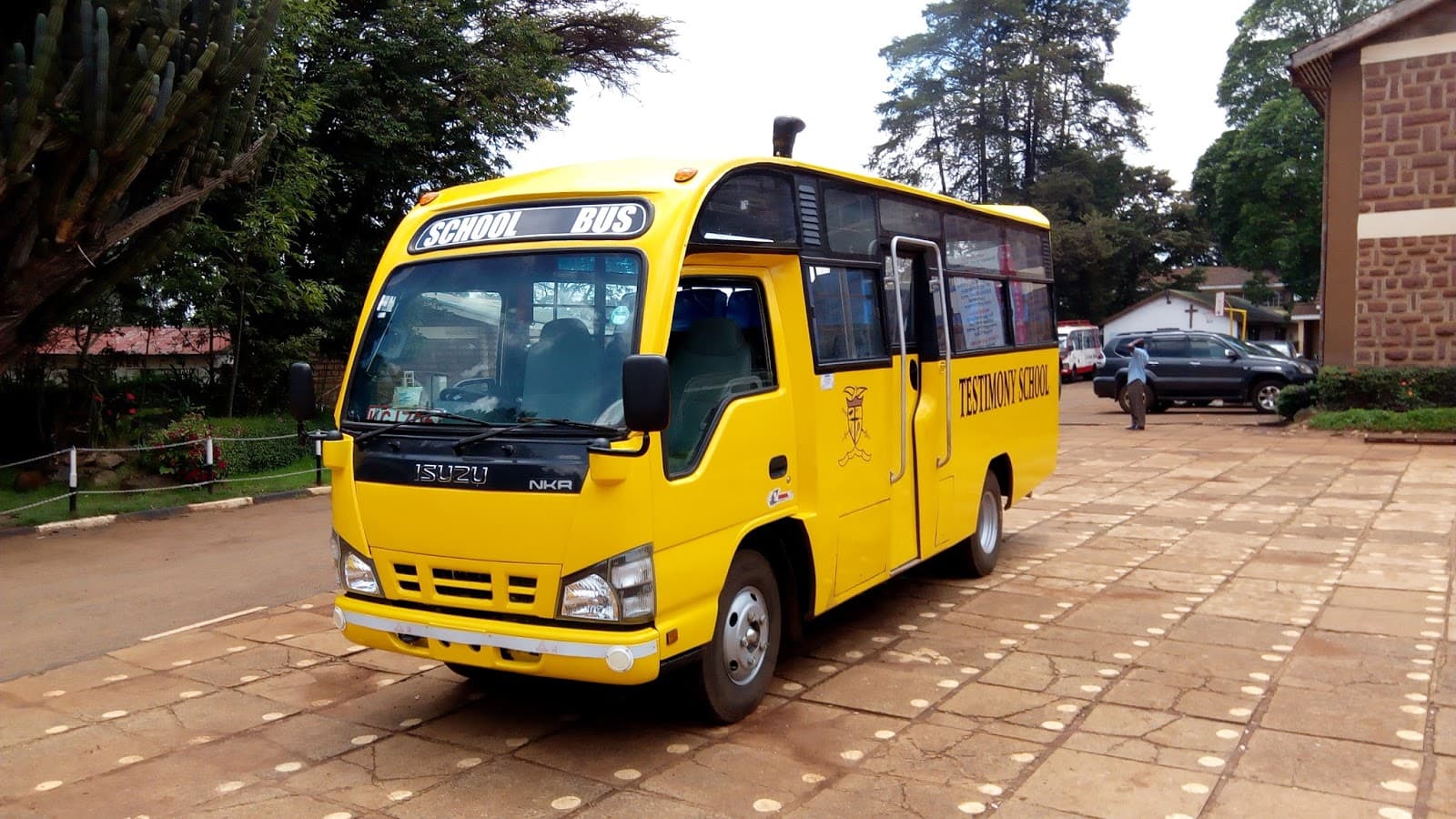
The iconic yellow bus is undergoing a radical overhaul as Kenyan parents and regulators demand a shift from mere mobility to guaranteed safety, efficiency, and comfort, forcing operators to innovate or exit the lane.
For decades, the school transport sector in Kenya was defined by a utilitarian, almost martial philosophy: get the child to school, by any means necessary. Overcrowded vans, erratic schedules, and dubious mechanical conditions were the accepted norm. However, a seismic shift is occurring in 2026. Driven by a rising middle class, stringent new government regulations, and a tech-savvy parent demographic, the industry is pivoting. The days of the "packed sardine" commute are numbered, replaced by a new era of route optimization, telematics, and comfort-first logistics.
The catalyst for this change is not just safety—though that remains paramount—but efficiency. With Nairobi's traffic gridlock becoming legendary, parents are no longer willing to have their children spend four hours a day in transit. Schools and private transport companies are responding with algorithmic route planning. "It is no longer about just having a bus," explains Ms. Mumbi Kariuki of the International Safety Training Centre. "It is about route optimization. Why should a child in Kilimani be picked up at 5:30 AM for a school in Lavington? Technology is allowing us to slash transit times by 30%."
This efficiency drive is backed by the looming Traffic (School Transport) Rules 2025, which have introduced strict caps on transit times and mandatory seat-belt usage. Operators are now investing in fleet management software that tracks not just location, but driver behavior, harsh braking, and idle time. Parents receive real-time SMS alerts when the bus is 10 minutes away, ending the morning anxiety of waiting by the gate in the dark.
The transition comes with a heavy price tag. A compliant, modern school bus with reinforced steel frames and proper seat spacing costs upwards of KES 7 million. Here, Kenya's banking sector has stepped in with aggressive asset financing products. Banks are now offering:
This financial deepening has allowed even modest academies in peri-urban areas like Ruai and Kitengela to upgrade their fleets, replacing aging 14-seater matatus with purpose-built 33-seater buses.
A quiet disruption is also emerging on the powertrain front. With fuel costs fluctuating and environmental consciousness growing, forward-thinking institutions like the 21K School network are piloting electric buses. While the initial capital outlay is steep—often double that of a diesel equivalent—the operational savings are compelling. "Running an electric bus costs us about KES 4 per kilometer in energy, compared to KES 25 for diesel," notes a transport manager. "In three years, the bus pays for itself."
Ultimately, the market is being shaped by the consumer. Lynet, a mother of three in Nairobi, represents the new assertive voice. "I pay significant school fees. I expect my child to wear a seatbelt, to have a seat to themselves, and to arrive fresh, not exhausted," she says. This consumer pressure is forcing schools to treat transport not as a favor, but as a core service deliverable. Schools that outsource their transport to professional logistics firms are seeing higher satisfaction rates than those trying to manage fleets in-house.
As the sector matures, the regulatory noose is tightening. The National Transport and Safety Authority (NTSA) has signaled a zero-tolerance approach to non-compliance with the 2025 rules. The message is clear: professionalize or perish. For the players in the industry, the road ahead is paved with challenges, but the destination—a safer, more dignified commute for the Kenyan child—is finally in sight.
"We are moving from 'survival transport' to 'service transport'," concludes Ms. Kariuki. "And our children deserve nothing less."
Keep the conversation in one place—threads here stay linked to the story and in the forums.
Sign in to start a discussion
Start a conversation about this story and keep it linked here.
Other hot threads
E-sports and Gaming Community in Kenya
Active 9 months ago
The Role of Technology in Modern Agriculture (AgriTech)
Active 9 months ago
Popular Recreational Activities Across Counties
Active 9 months ago
Investing in Youth Sports Development Programs
Active 9 months ago