We're loading the full news article for you. This includes the article content, images, author information, and related articles.
From a humble start with KES 70,000, James Kariuki’s journey from a roadside timber yard to a multi-million shilling hardware and construction enterprise offers a powerful lesson in resilience for Kenyan entrepreneurs
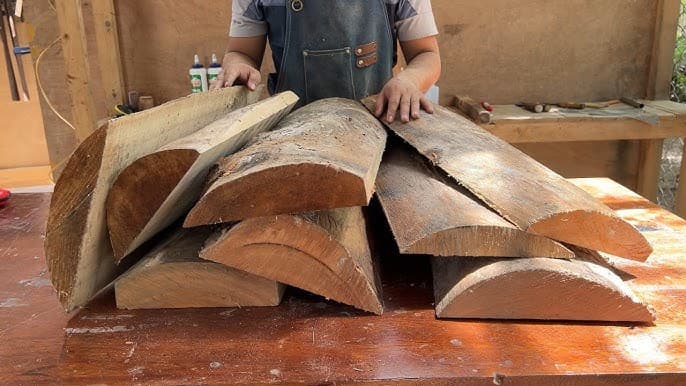
James Kariuki began with little more than sawdust and determination. Today, his firm, Kariuki Hardware & Construction, is a household name in Nairobi’s booming building sector, a testament to a journey that mirrors the city's own relentless growth.
This isn't just a story about one man's success; it is a blueprint for navigating Kenya's challenging but rewarding economic landscape. At a time when many small businesses struggle to survive past their second year, Kariuki’s story provides a narrative of hope and strategy, demonstrating how micro-enterprises can anchor themselves and thrive amidst fierce competition and economic headwinds.
Kariuki’s entrepreneurial journey started in 2012. After being retrenched from a sales job at a local manufacturing firm, he used his modest savings of KES 70,000 to start selling timber offcuts in Kitengela. “I knew the construction business from my previous job, and I saw a gap,” Kariuki noted. “Many small-scale builders needed reliable suppliers, people who understood their hustle.”
The initial years were fraught with challenges common to many Kenyan startups: inconsistent cash flow, securing credit, and stiff competition. However, his deep understanding of the market and a focus on customer service helped him build a loyal clientele. Within three years, he acquired his first small pickup truck for deliveries, a significant milestone that allowed him to expand his reach.
Today, Kariuki Hardware & Construction is valued at over $1.5 million (approx. KES 195 million) and employs 45 permanent staff. The enterprise has become a crucial player in the local economy, especially as Kenya's construction market is valued at $20 billion (KES 2.6 trillion) and is projected to grow. This growth is fueled by a rising demand for housing and significant government infrastructure projects.
Analysts observe that the sector's expansion provides massive opportunities across the value chain. Kariuki has capitalized on this by diversifying his business from simply supplying materials to offering construction and project management services. His success underscores the potential within the sector, which, despite recent contractions, is showing strong signs of recovery and innovation.
Key factors in Kariuki's success include:
Looking forward, Kariuki remains optimistic. “We started with one pile of wood, now we are helping build communities,” he emphasized. “The goal is to not just build structures, but to build opportunities for the youth who are willing to work hard.”
Keep the conversation in one place—threads here stay linked to the story and in the forums.
Sign in to start a discussion
Start a conversation about this story and keep it linked here.
Other hot threads
E-sports and Gaming Community in Kenya
Active 9 months ago
The Role of Technology in Modern Agriculture (AgriTech)
Active 9 months ago
Popular Recreational Activities Across Counties
Active 9 months ago
Investing in Youth Sports Development Programs
Active 9 months ago