We're loading the full news article for you. This includes the article content, images, author information, and related articles.
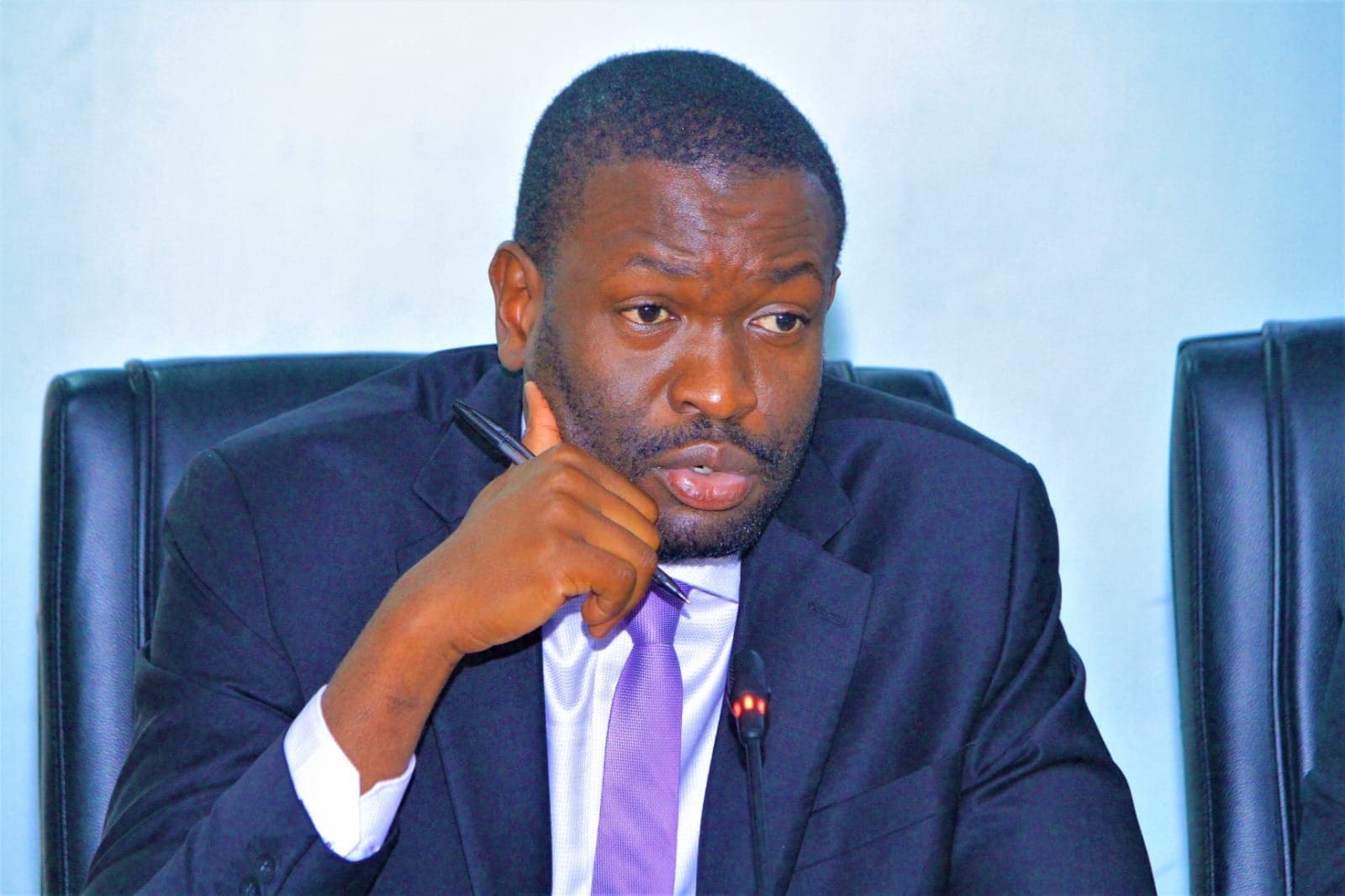
The fierce internal war to oust ODM Secretary-General Edwin Sifuna has exposed deep fractures in Western Kenya, threatening to consign the region to political irrelevance.

The fierce internal war to oust ODM Secretary-General Edwin Sifuna has exposed deep fractures in Western Kenya, threatening to consign the region to political irrelevance.
The orchestrated attempt to remove Nairobi Senator Edwin Sifuna from the helm of the Orange Democratic Movement (ODM) is not merely a party skirmish; it is a symptom of a chronic ailment plaguing the Mulembe Nation. Once again, the region is cannibalizing its own brightest stars.
This latest infighting raises the uncomfortable question that has haunted Western Kenya for decades: Why does a voting bloc of over 2.6 million people repeatedly fail to convert its demographic might into tangible national power? The answer, it seems, lies in a culture of betrayal and fragmentation.
Senator Sifuna, a combative and articulate defender of the opposition, finds himself besieged not by outsiders, but by his own kinsmen. The plot to replace him has reopened old wounds, pitting the "Old Guard"—aligned with historical regional kingpins—against the "Young Turks" who demand a break from transactional politics.
Sifuna’s travails mirror the region’s historical inability to protect its own strategic interests. By targeting one of the few Luhya leaders holding a high-ranking national party position, the plotters are effectively dismantling the region’s influence from within.
Political observers argue that the Mulembe Nation suffers from a "crabs in a bucket" syndrome. Every time a leader rises to national prominence, local machinery is activated to pull them down. This was true for the late Kijana Wamalwa, true for Mudavadi in 2013, and is now playing out with Sifuna.
“We are our own worst enemies,” laments a Kakamega-based political strategist. “While Central and Rift Valley leaders circle the wagons around their own, we invite outsiders to supply the ammunition for our firing squads.”
The economic cost of this political disarray is palpable. While other regions negotiate for dams, highways, and cabinet slots as unified blocs, Western Kenya receives piecemeal offers. The attempt to oust Sifuna signals to the national elite that the region is up for grabs—cheaply.
Unless the Mulembe Nation can forge a unified identity that transcends sub-tribal loyalties and petty jealousies, it will remain a sleeping giant—heavy on numbers, but light on impact. The clock is ticking toward 2027, and currently, the region is organizing its own funeral.
Keep the conversation in one place—threads here stay linked to the story and in the forums.
Sign in to start a discussion
Start a conversation about this story and keep it linked here.
Other hot threads
E-sports and Gaming Community in Kenya
Active 9 months ago
The Role of Technology in Modern Agriculture (AgriTech)
Active 9 months ago
Popular Recreational Activities Across Counties
Active 9 months ago
Investing in Youth Sports Development Programs
Active 9 months ago
Key figures and persons of interest featured in this article