We're loading the full news article for you. This includes the article content, images, author information, and related articles.
Parliament uncovers a scandal involving missing title deeds worth Sh4 billion at KEMRI and questionable financial losses at KNH, signaling deep rot in Kenya’s health sector.
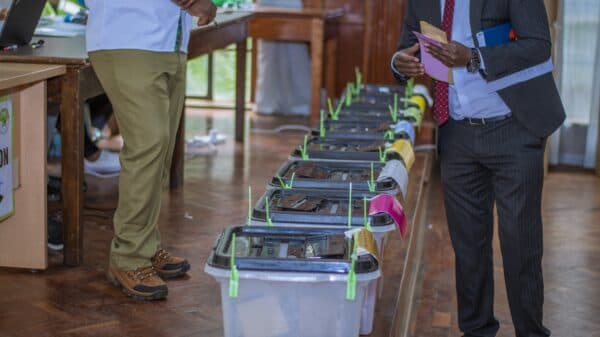
A parliamentary inquiry has ripped the lid off a cesspool of financial mismanagement at Kenya’s premier health institutions, revealing missing title deeds worth billions, ghost vehicles, and inexplicable rental losses that suggest systemic looting of public funds.
The National Assembly’s Public Investments Committee on Social Services, Administration, and Agriculture (PIC-SSAA), chaired by Navakholo MP Emmanuel Wangwe, has painted a grim picture of the Kenyatta National Hospital (KNH), the Kenya Medical Research Institute (KEMRI), and the Pharmacy and Poisons Board (PPB). The findings, stemming from the Auditor-General’s reports for the 2022-2024 financial years, expose a culture of impunity where assets vanish and procurement laws are treated as mere suggestions.
At KNH, the committee was baffled by a reported loss of Sh36 million in rental income from staff housing. Despite an occupancy rate of only 60%—already 21% below projections—the hospital board brazenly approved a 10% rent hike on units, some of which are condemned for demolition. "Who exactly is this increase benefiting?" posed MP Wangwe, pinpointing the absurdity of squeezing tenants while failing to collect existing dues.
The audit also flagged a suspicious shift in procurement methods for cleaning materials during the COVID-19 pandemic. Management bypassed competitive tendering for "restricted quotations," a move they termed an "error" but which MPs view as a deliberate avenue for graft. Saboti MP Caleb Amisi minced no words, stating, "These audits are not cosmetic. They exist to protect public funds."
The Pharmacy and Poisons Board (PPB) did not escape scrutiny. Auditors flagged Sh75 million tied to the board’s headquarters land, which lacks a valid title deed. Additionally, the board spent Sh5.25 million on vehicle repairs without mandatory inspection reports, a classic red flag for inflated invoicing.
MP Wangwe cited a chilling anecdote of a patient who recovered only after sourcing medication abroad, illustrating the human cost of the PPB’s surveillance gaps. CEO Ahmed Mohamed admitted to "porous borders" allowing substandard medicines to flood the market. As the committee prepares its final recommendations, the message is clear: the engines of Kenya’s public health are sputtering, clogged by the sludge of corruption and administrative incompetence.
Keep the conversation in one place—threads here stay linked to the story and in the forums.
Sign in to start a discussion
Start a conversation about this story and keep it linked here.
Other hot threads
E-sports and Gaming Community in Kenya
Active 9 months ago
The Role of Technology in Modern Agriculture (AgriTech)
Active 9 months ago
Popular Recreational Activities Across Counties
Active 9 months ago
Investing in Youth Sports Development Programs
Active 9 months ago
Key figures and persons of interest featured in this article