We're loading the full news article for you. This includes the article content, images, author information, and related articles.
The parliamentary education committee has proposed a massive Sh284 billion funding boost for the education sector, setting the stage for a critical debate on resource allocation in Kenya.
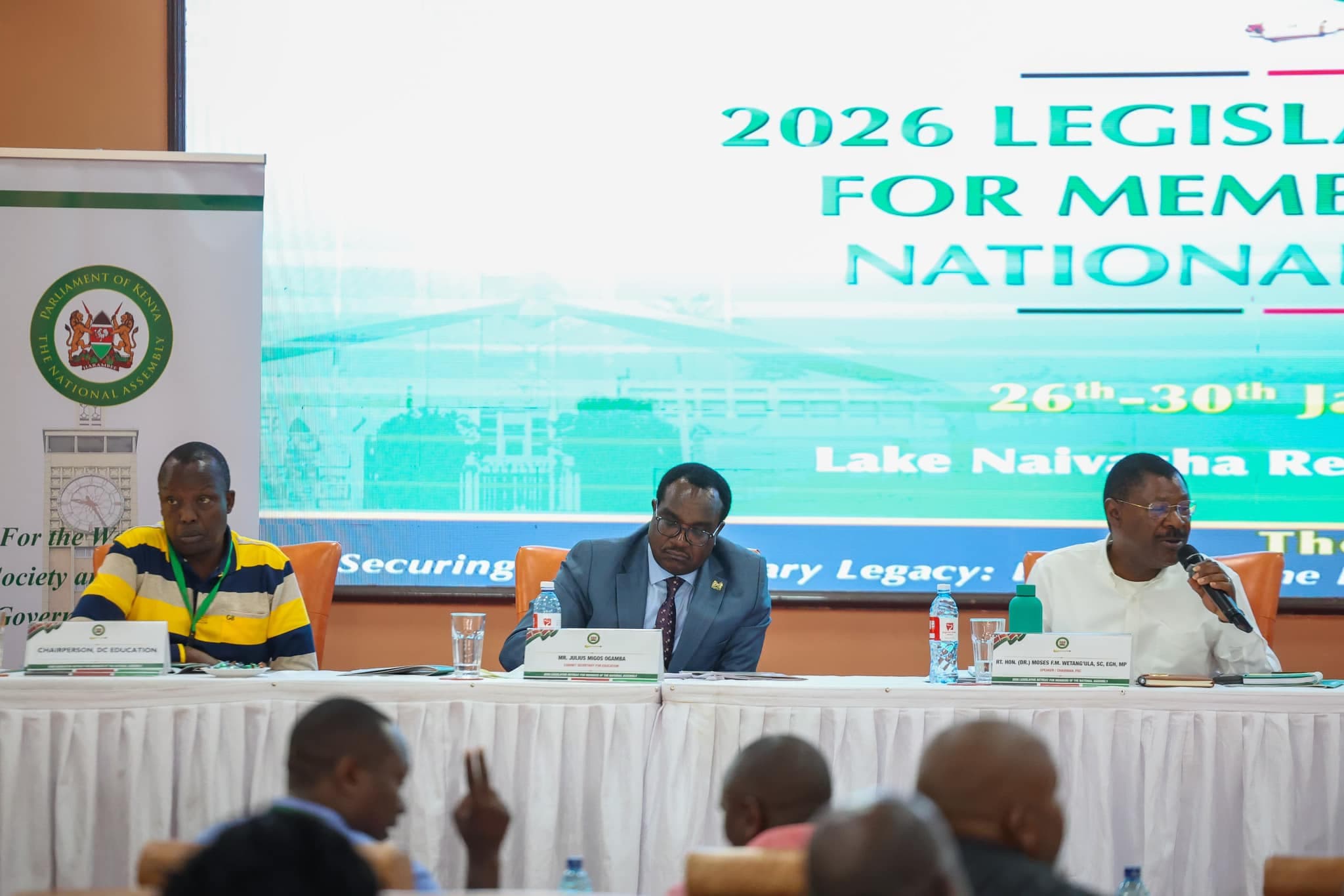
The parliamentary education committee has proposed a massive Sh284 billion funding boost for the education sector, setting the stage for a critical debate on resource allocation in Kenya.
The push for an unprecedented financial injection into Kenya's education system underscores the escalating crisis of underfunding in public schools and universities. As the nation grapples with the transition to the Competency-Based Curriculum (CBC), the stakes have never been higher for millions of learners.
This bold proposal is not merely a budgetary request; it is a dire SOS from a sector teetering on the edge. Without this capital, the very foundation of Kenya's future human capital is at risk of structural collapse, affecting everything from basic literacy to advanced research output.
For years, educators and administrators have sounded the alarm over stagnant budgets that fail to match inflation and growing student populations. The proposed Sh284 billion is intended to plug glaring gaps that have compromised the quality of learning across the board. In rural and marginalized counties, the situation is particularly acute, with schools lacking basic infrastructure and sufficient teaching staff.
This funding will target several critical areas that have long been neglected. The Higher Education Loans Board (HELB) and the Universities Fund are in desperate need of liquidity to support students from vulnerable backgrounds. Furthermore, the hiring of new teachers by the Teachers Service Commission (TSC) remains a major bottleneck in achieving acceptable teacher-to-student ratios.
While the figure of Sh284 billion may seem staggering, economists argue that the cost of inaction is far greater. An underfunded education system inevitably leads to a skills deficit, which severely limits the country's economic competitiveness on the global stage. By injecting capital into education, the government would be making a direct investment in the nation's GDP.
Moreover, the implementation of the CBC requires significant capital outlay for specialized equipment and training. Without this funding, the entire curriculum reform risks becoming a hollow exercise, leaving learners ill-equipped for the demands of the modern workforce. The Treasury now faces the daunting task of balancing this critical need against a backdrop of shrinking fiscal space and high debt servicing obligations.
The allocation and management of such a vast sum will require stringent oversight. Past audit reports have frequently highlighted the mismanagement and misappropriation of educational funds. The Ministry of Education will need to establish watertight mechanisms to ensure that every shilling reaches its intended destination, from the largest university to the most remote primary school.
Stakeholders, including teachers' unions and parents' associations, are maintaining a vigilant watch. They are demanding transparency and accountability in the deployment of these funds. The success of this financial injection hinges not just on its approval, but on its impeccable execution.
"If we fail to fund education today, we are effectively funding poverty and inequality for the next generation," remarked an education policy analyst.
Keep the conversation in one place—threads here stay linked to the story and in the forums.
Sign in to start a discussion
Start a conversation about this story and keep it linked here.
Other hot threads
E-sports and Gaming Community in Kenya
Active 9 months ago
The Role of Technology in Modern Agriculture (AgriTech)
Active 9 months ago
Popular Recreational Activities Across Counties
Active 9 months ago
Investing in Youth Sports Development Programs
Active 9 months ago