We're loading the full news article for you. This includes the article content, images, author information, and related articles.
Ballot boxes opened amid a city-wide mourning period for the Tai Po fire victims, testing both public sentiment and Beijing’s 'patriots-only' political architecture.
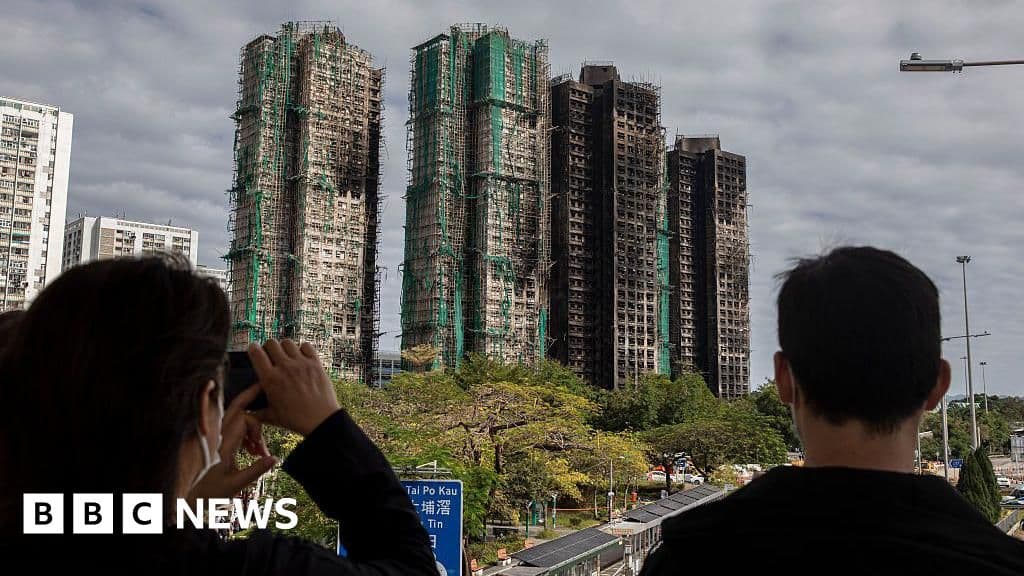
A heavy shroud of grief hung over Hong Kong’s polling stations this weekend, as a city still reeling from a catastrophic blaze cast ballots in an election defined more by who was absent than who was running.
The vote served as a dual litmus test: a measure of public faith in a government struggling to manage the aftermath of the devastating Tai Po district fire, and a verdict on Beijing’s overhauled "patriots-only" electoral system.
The election unfolded against a backdrop of raw emotion following last month's inferno in the Tai Po district, a tragedy that claimed nearly 160 lives. For Kenyan readers familiar with the recurring heartbreak of urban fires—from Gikomba to residential estates—the anger simmering in Hong Kong is recognizable. Residents have raised sharp questions regarding building safety standards and the speed of the emergency response.
In an effort to quell public dissatisfaction ahead of the polls, authorities moved quickly to distribute aid to survivors and arrest suspects linked to the building's safety lapses. However, the juxtaposition of a massive government campaign urging residents to vote while families buried their dead created a somber atmosphere across the financial hub.
Beyond the immediate tragedy, the election highlighted the profound structural changes imposed by Beijing. Following the pro-democracy protests that rocked the city in 2019, China implemented sweeping reforms to ensure only candidates deemed "patriots"—those loyal to the Chinese Communist Party and the Hong Kong administration—could vie for seats in the Legislative Council (LegCo).
Beijing maintains these changes are essential for stability. Critics, however, argue the system has effectively dismantled the city's democratic opposition, leaving voters with a limited spectrum of choice.
The impact of both the political climate and the recent tragedy was evident in the statistics released by the city's electoral office:
While the administration views the completion of the election as a step toward governance, the low participation suggests a populace that feels increasingly disconnected from the levers of power. As the city moves to rebuild the Tai Po district, the government faces the arduous task of restoring not just the physical infrastructure, but the trust of its people.
Keep the conversation in one place—threads here stay linked to the story and in the forums.
Sign in to start a discussion
Start a conversation about this story and keep it linked here.
Other hot threads
E-sports and Gaming Community in Kenya
Active 9 months ago
The Role of Technology in Modern Agriculture (AgriTech)
Active 9 months ago
Popular Recreational Activities Across Counties
Active 9 months ago
Investing in Youth Sports Development Programs
Active 9 months ago



