We're loading the full news article for you. This includes the article content, images, author information, and related articles.
Prof Faith Osier’s Chanjo Hub is piloting mRNA malaria vaccines in Kenya, aiming to end the continent’s reliance on foreign donors and build a self-sufficient future.
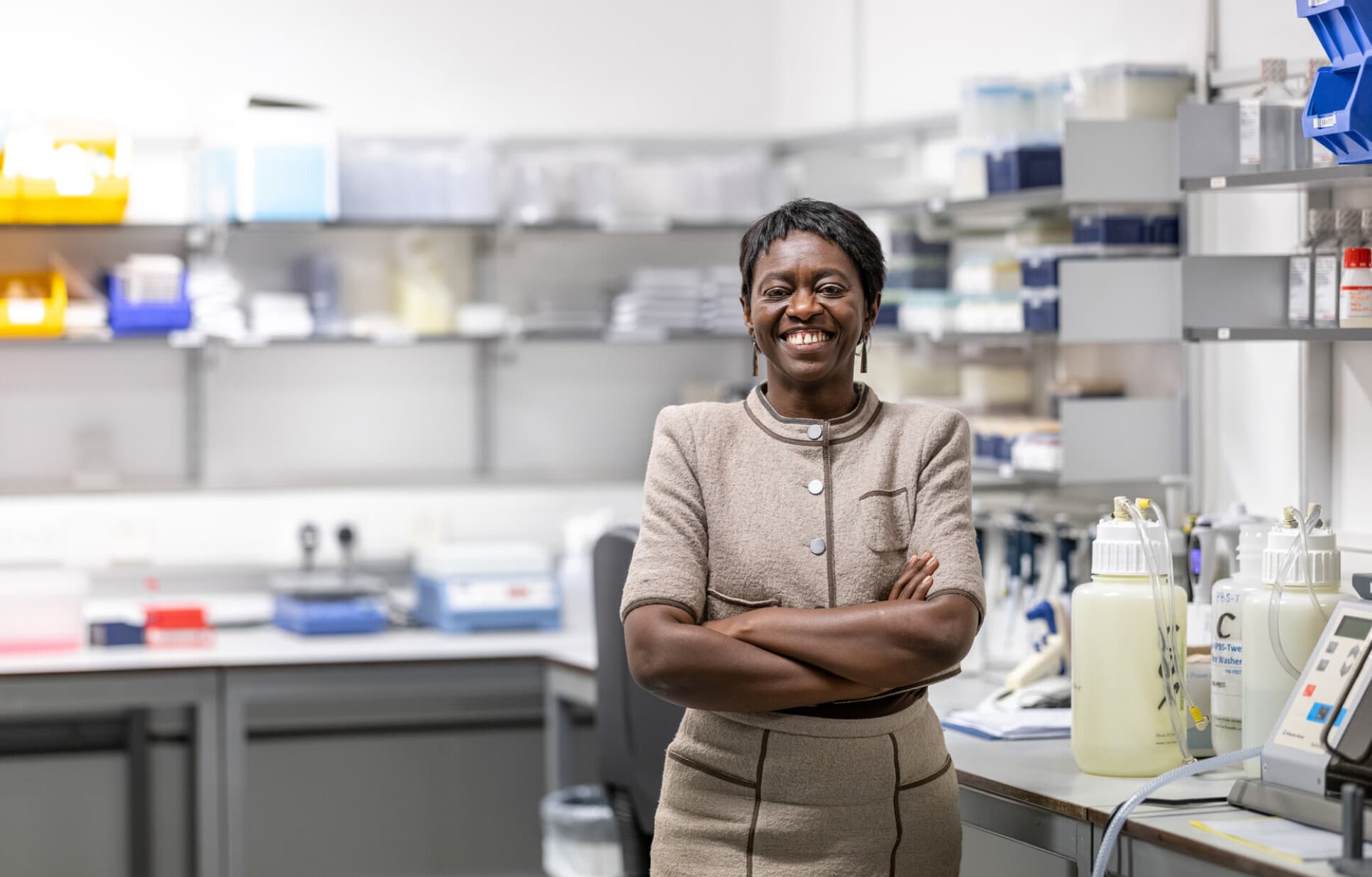
Three years before the world celebrated its first malaria vaccine, Prof Faith Osier stood on a dimly lit TED stage and promised a revolution. Today, that revolution is being pipetted into existence in a lab in Nairobi.
As the leader of the Chanjo Hub, Prof Osier is not just conducting research; she is dismantling a century-old narrative of African dependency. Her team is currently piloting a new malaria vaccine using messenger RNA (mRNA) technology—the same breakthrough tech behind the Covid-19 vaccines—right here in Kenya. "We did this in Africa, and we are very proud of that," she asserts, her vision set firmly on a future where African mothers no longer have to wait for donations from the Global North to save their children.
The timing could not be more critical. During the Covid-19 pandemic, Africa was left at the back of the queue, waiting for vaccines that were being hoarded by wealthy nations. That betrayal served as a wake-up call. "The wake-up call was that Africa needed to become self-sufficient," Osier tells Healthy Nation. "We needed to supply vaccines for the continent, by the continent."
Unlike traditional vaccines, the mRNA technology Osier is deploying works by teaching the body to manufacture a protein that triggers an immune response. It is faster, cheaper, and requires less massive infrastructure than old-school factories. "You don`t need a huge factory," she explains. This agility allows her team to work with Tasa Pharma, a local partner, to produce clinical-grade candidates that could change the face of public health.
The implications extend far beyond malaria. The infrastructure being built today is a platform for the future. If a new pandemic strikes in 2030, the capacity to pivot and produce a vaccine will reside in Nairobi, not just Geneva or New York. By 2027, Osier plans to transfer the full technology package to Kenya BioVax and Tasa Pharma, cementing a permanent manufacturing capability.
For Osier, this is personal. She remembers her days as a junior doctor in Kilifi, watching children die from a preventable disease. "Once it hits you, you will know," she says. "When you see a child with measles or treat a child who has died from malaria... it will not be hard to be convinced." Her work is a race against time, but for the first time in history, the runners are Kenyan, and the finish line is on home soil.
Keep the conversation in one place—threads here stay linked to the story and in the forums.
Sign in to start a discussion
Start a conversation about this story and keep it linked here.
Other hot threads
E-sports and Gaming Community in Kenya
Active 9 months ago
The Role of Technology in Modern Agriculture (AgriTech)
Active 9 months ago
Popular Recreational Activities Across Counties
Active 9 months ago
Investing in Youth Sports Development Programs
Active 9 months ago