We're loading the full news article for you. This includes the article content, images, author information, and related articles.
The Kenya Bankers Association urges the Central Bank to maintain the benchmark lending rate at 9%, citing the need for market stability and time for previous cuts to take effect.
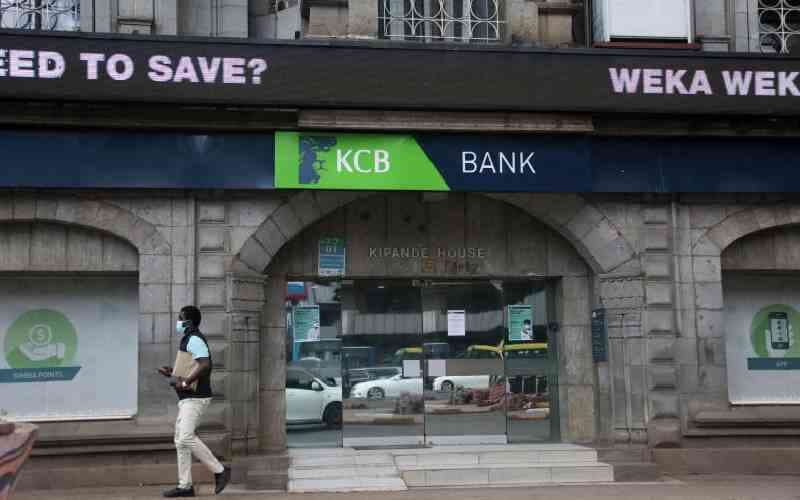
Kenya’s banking sector has sent a unified message to the regulator: steady the ship and keep the benchmark lending rate exactly where it is.
In a decisive move ahead of the upcoming Monetary Policy Committee (MPC) meeting, the Kenya Bankers Association (KBA) has strongly advised the Central Bank of Kenya (CBK) to retain the Central Bank Rate (CBR) at 9.00 percent. This recommendation comes just months after the regulator slashed the rate to this level in December 2025, a move that was intended to spur credit uptake but has yet to fully permeate the real economy. The bankers’ plea for a "wait-and-see" approach highlights a sector treading carefully between the need for growth and the imperative of macroeconomic stability.
The logic behind the KBA’s stance is rooted in the delicate balance of Kenya’s economic recovery. While inflation has notably eased—falling to within the government’s target range—the bankers argue that the full effects of the previous rate cut have not yet crystallized. By holding the rate steady, the CBK would allow the market sufficient time to absorb the liquidity adjustments without risking a resurgence of inflationary pressure or currency volatility. It is a conservative gamble, prioritizing long-term stability over short-term stimulus.
The banking sector’s reluctance to advocate for a further cut speaks volumes about the underlying anxieties in the market. Despite the optimism surrounding the shilling’s performance against the dollar, credit growth to the private sector remains sluggish. Banks are wary that a hasty reduction in the benchmark rate could trigger capital flight or destabilize the exchange rate, which has only recently found its footing. The consensus is clear: stability is currently more valuable than cheap credit.
Furthermore, the KBA notes that the transmission mechanism of monetary policy takes time. The December cut is still working its way through the plumbing of the financial system. “We need to see the data from the last quarter before we turn the tap again,” one senior banker remarked on condition of anonymity. “Jerking the wheel too often will only cause the vehicle to skid.”
If the CBK heeds the bankers' advice, it will send a strong signal of continuity to foreign investors and local businesses alike. It would suggest that the regulator is confident in the current trajectory and is resistant to political pressure for populistic rate cuts. However, for the average Kenyan borrower choking under high interest rates on existing loans, a "hold" decision offers no immediate relief. The cost of doing business remains high, and the banks' caution may be interpreted by some as a strategy to protect their margins rather than support the wananchi.
As the MPC members gather to deliberate, the eyes of the financial world are fixed on the decision. Will they choose the path of caution advocated by the KBA, or will they attempt to jumpstart the economy with another aggressive cut? For now, the bankers have cast their vote for the status quo, betting that patience will pay higher dividends than speed.
Keep the conversation in one place—threads here stay linked to the story and in the forums.
Sign in to start a discussion
Start a conversation about this story and keep it linked here.
Other hot threads
E-sports and Gaming Community in Kenya
Active 9 months ago
The Role of Technology in Modern Agriculture (AgriTech)
Active 9 months ago
Popular Recreational Activities Across Counties
Active 9 months ago
Investing in Youth Sports Development Programs
Active 9 months ago