We're loading the full news article for you. This includes the article content, images, author information, and related articles.
A surge in tax receipts has delivered a record £30.4 billion (approx. KES 5.2 trillion) budget surplus for the UK government in January, providing a crucial economic buffer ahead of the Spring Statement.
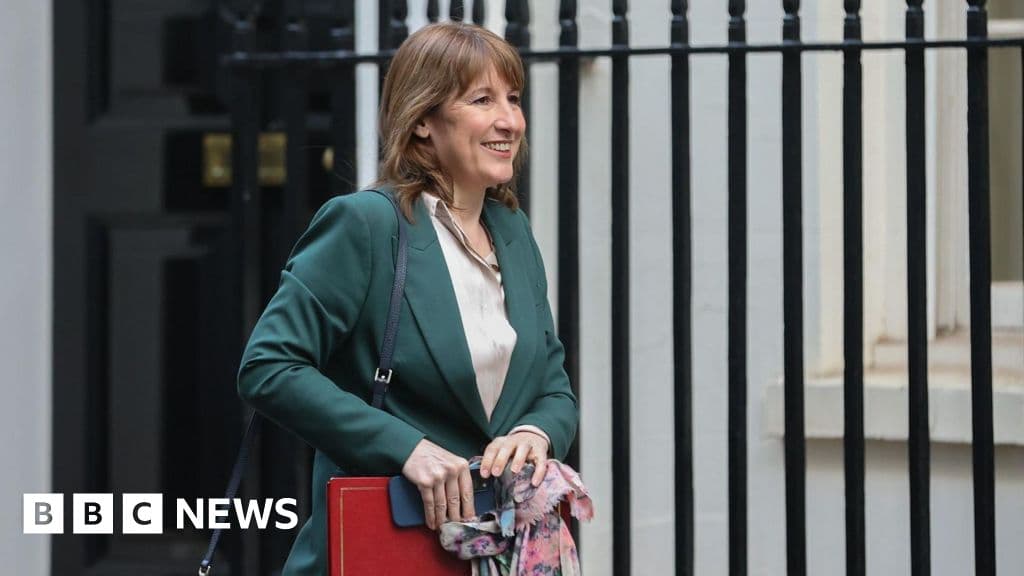
A surge in tax receipts has delivered a record £30.4 billion (approx. KES 5.2 trillion) budget surplus for the UK government in January, providing a crucial economic buffer ahead of the Spring Statement.
In a surprising twist of fiscal fortune, the Office for National Statistics (ONS) revealed that the government collected significantly more revenue than it spent at the start of the year. This unprecedented surplus marks the highest monthly positive balance since records began in 1993.
For East African economists and policymakers grappling with chronic budget deficits, aggressive tax collection targets, and public unrest over finance bills, the UK’s scenario offers a fascinating study in macroeconomic management. It underscores the delicate balance governments must strike between extracting revenue and fostering sustainable economic growth.
January is traditionally a strong month for the UK Exchequer due to the deadline for self-assessed tax payments. However, this year's figures shattered previous records, easily eclipsing the £15.4 billion surplus recorded in January of the previous year.
The massive influx of cash was primarily driven by exceptional returns in specific taxation categories. Notably, there was a significant spike in capital gains tax payments submitted to HM Revenue & Customs (HMRC). This suggests robust performance in asset markets and possibly preemptive tax planning by wealthy individuals anticipating future policy shifts.
The massive surplus arrives at a critical juncture for Chancellor Rachel Reeves. It provides unexpected fiscal headroom as she prepares to deliver the highly anticipated Spring Statement.
Chief Secretary to the Treasury James Murray was quick to manage expectations, stating that the government remains committed to halving borrowing by 2030 to free up funds for essential public services like policing, schools, and the NHS.
Adding to the positive economic narrative, separate data indicated an unexpected rebound in retail sales. The volume of goods purchased rose by 1.8% in January, a significant acceleration from the sluggish 0.4% growth seen in December. This consumer resilience, driven by strong demand in niche sectors like sports supplements and jewellery, suggests that the underlying economy may be stronger than previously feared.
Ultimately, while the record surplus provides a momentary political triumph, the structural challenges of national debt remain. As developing nations watch closely, the UK's experience highlights that while aggressive taxation can fill state coffers, sustainable prosperity requires rigorous discipline in public spending. "We know there is more to do to stop our revenue from simply vanishing into debt interest," Murray conceded, echoing a universal fiscal truth.
Keep the conversation in one place—threads here stay linked to the story and in the forums.
Sign in to start a discussion
Start a conversation about this story and keep it linked here.
Other hot threads
E-sports and Gaming Community in Kenya
Active 9 months ago
The Role of Technology in Modern Agriculture (AgriTech)
Active 9 months ago
Popular Recreational Activities Across Counties
Active 9 months ago
Investing in Youth Sports Development Programs
Active 9 months ago



