We're loading the full news article for you. This includes the article content, images, author information, and related articles.
Japan arrests a Chinese fishing captain in its EEZ, reigniting diplomatic hostilities with Beijing following recent threats over Taiwan and trade restrictions.
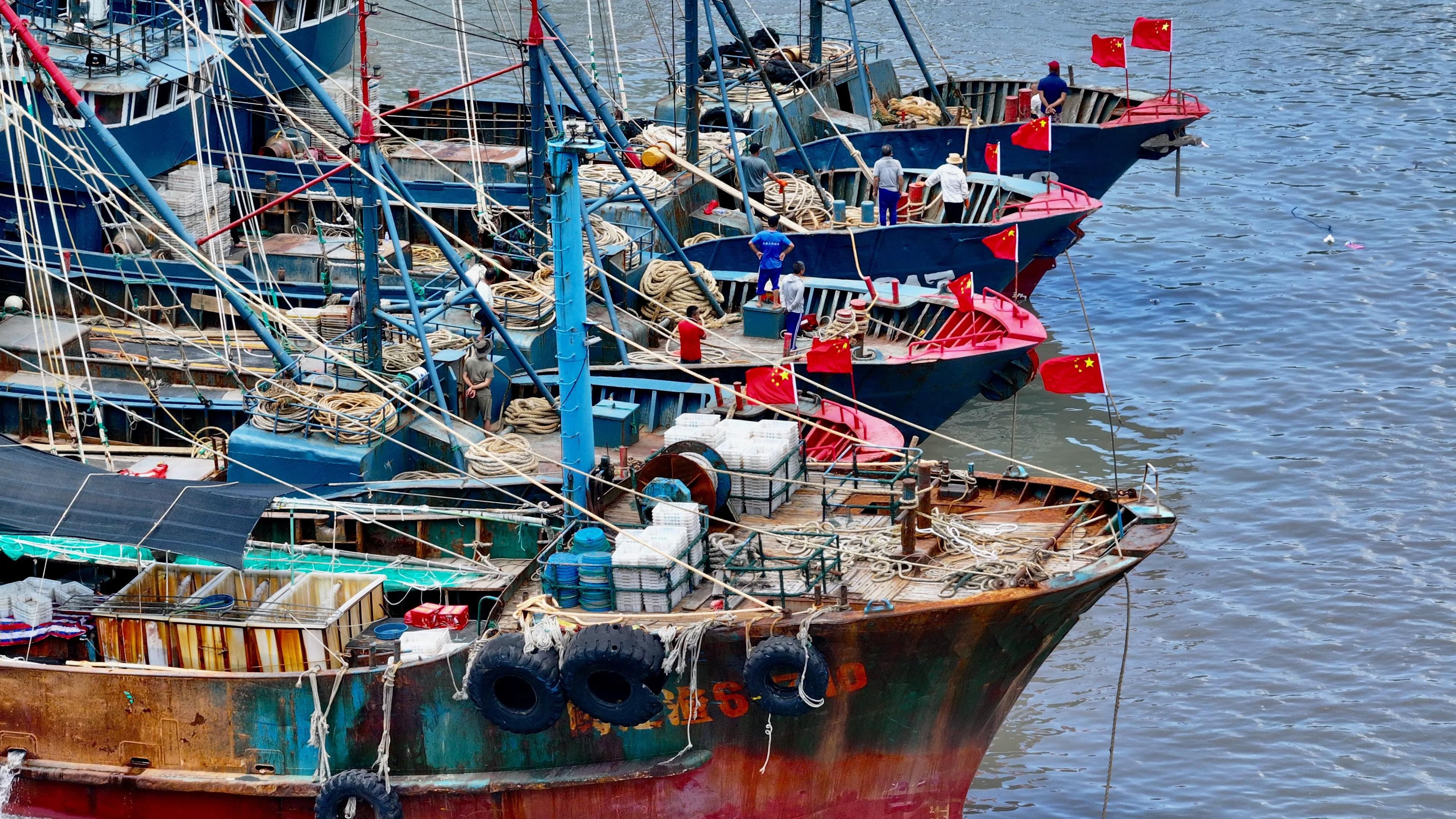
The fragile diplomatic truce between East Asia’s two giants has fractured once again. In a bold assertion of sovereignty, Japanese authorities have seized a Chinese fishing vessel and arrested its captain off the coast of Nagasaki, a move that threatens to plunge Tokyo and Beijing into a fresh cycle of retaliatory posturing and diplomatic deep-freeze.
The incident occurred in the pre-dawn hours within Japans Exclusive Economic Zone (EEZ), specifically near the uninhabited Meshima island. According to the Japanese Fisheries Agency, the vessel—a "tiger net" fishing boat known for its high capacity—refused an order to stop for inspection. A high-speed chase ensued, culminating in the boarding of the vessel and the arrest of its 47-year-old Chinese captain. This is the first such seizure since 2022, signaling a significant hardening of Japan’s maritime enforcement posture.
This seizure does not exist in a vacuum. It comes against a backdrop of deteriorating relations fueled by geopolitical alignments and territorial disputes. Prime Minister Sanae Takaichi recently infuriated Beijing by explicitly stating that Japan would intervene militarily if China attempted to take Taiwan by force. That declaration has set the tone for a relationship now defined by brinkmanship rather than dialogue.
"The vessels captain was ordered to stop... but failed to comply and fled," read a terse statement from the Fisheries Agency. The bureaucratic language belies the high stakes; every interaction between Japanese uniformed personnel and Chinese vessels carries the risk of escalation into a kinetic conflict.
Maritime disputes have long been the barometer of Sino-Japanese relations. The arrest of a Chinese captain in 2010 near the Senkaku (Diaoyu) Islands sparked a massive diplomatic crisis, leading to frozen trade ties and anti-Japanese riots in China. The current administration in Tokyo seems willing to court similar risks to enforce its territorial integrity.
The detention of the captain and the 10 crew members is now a diplomatic bargaining chip. Beijing has already summoned Tokyo’s ambassador, demanding the immediate release of the vessel and its crew. However, Prime Minister Takaichi, known for her hawkish stance, is unlikely to back down easily. Her administration views these incursions not just as illegal fishing, but as "gray zone" tactics designed to test Japans resolve.
As the sun rises over the East China Sea, the waters remain calm, but the diplomatic channels are churning. This incident serves as a stark reminder that in the contest for Asian hegemony, fishing boats are often the vanguard of navies, and a single arrest can echo through the halls of power for months to come.
Keep the conversation in one place—threads here stay linked to the story and in the forums.
Sign in to start a discussion
Start a conversation about this story and keep it linked here.
Other hot threads
E-sports and Gaming Community in Kenya
Active 9 months ago
The Role of Technology in Modern Agriculture (AgriTech)
Active 9 months ago
Popular Recreational Activities Across Counties
Active 9 months ago
Investing in Youth Sports Development Programs
Active 9 months ago