We're loading the full news article for you. This includes the article content, images, author information, and related articles.
The High Court of Kenya has delivered a monumental victory to President William Ruto by dismissing petitions against the Privatization Act of 2025, effectively greenlighting the sale of eleven critical state-owned corporations.
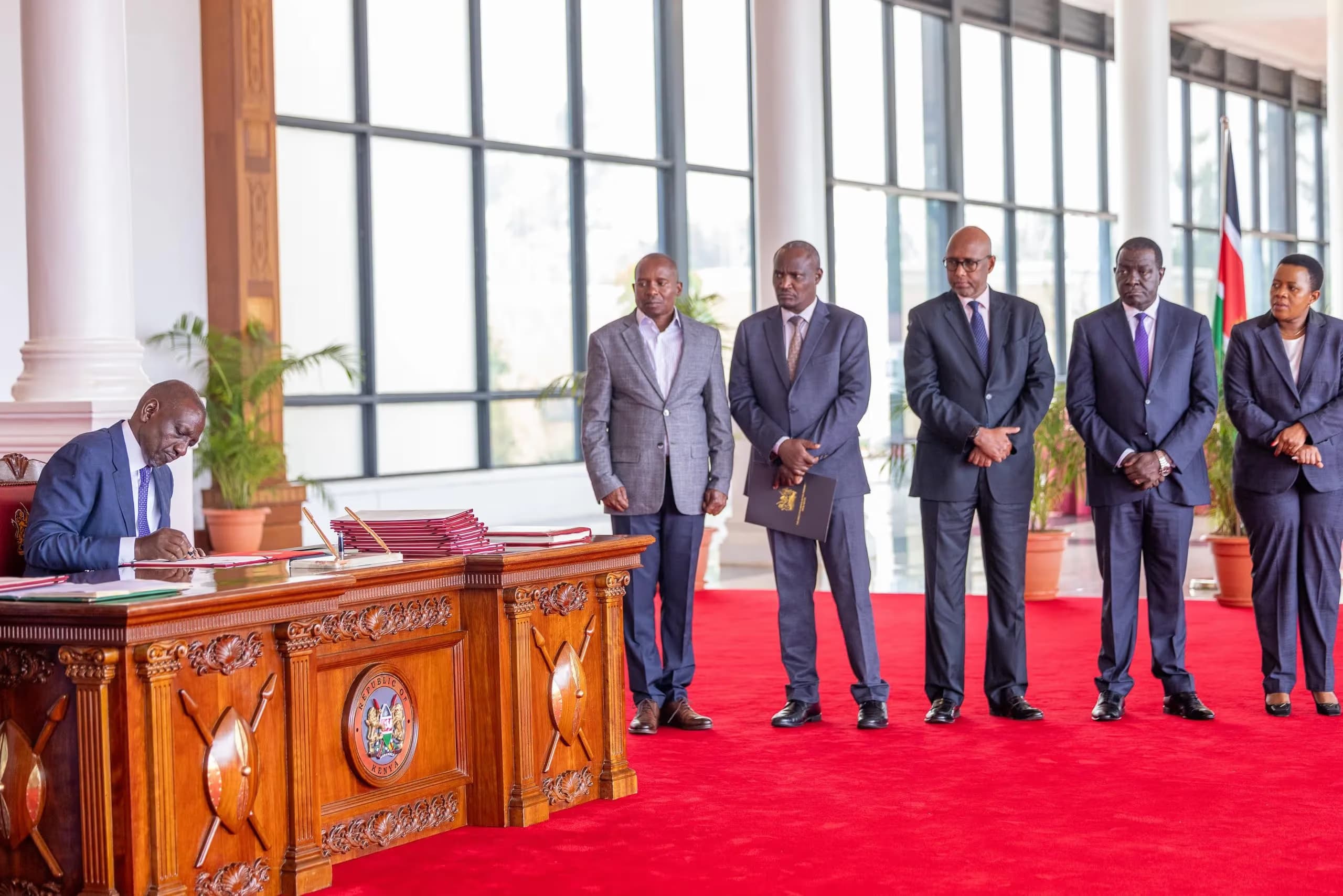
The High Court of Kenya has delivered a monumental victory to President William Ruto by dismissing petitions against the Privatization Act of 2025, effectively greenlighting the sale of eleven critical state-owned corporations.
The judicial corridors of Nairobi reverberated with profound economic consequence as the High Court formally dismissed legal challenges aimed at halting the Privatization Act of 2025. This decisive ruling unlocks the gates for the government to divest from eleven major state-owned enterprises, fundamentally altering the national economic landscape.
This judicial green light is not merely a legal technicality; it represents a seismic shift in macroeconomic strategy. By allowing the sale of crown jewels like the Kenya Pipeline Company and the Kenyatta International Convention Centre, the administration aims to raise approximately KES 100 billion. This capital injection is desperately needed to balance a precarious national budget and appease international financial institutions.
The clearance from the High Court removes the final major administrative roadblock for an aggressive privatization agenda. The administration has consistently argued that these eleven state corporations are either underperforming, draining public resources, or better suited for private sector efficiency. The assets slated for privatization span multiple critical sectors, including energy, agriculture, manufacturing, and hospitality.
The comprehensive list of the enterprises now poised for private acquisition includes:
The immediate focus of the financial markets is the Kenya Pipeline Company, whose Initial Public Offering represents the first major stress test of the new Privatization Act. The government is offloading a commanding 65 percent stake while retaining a 35 percent minority share, a move strategically designed to maximize immediate capital acquisition while maintaining a strategic foothold in national energy infrastructure.
The share pricing dynamics have sparked intense debate among regional financial analysts. Shares have been aggressively priced at KES 9.00 each. However, several prominent market analysts and investment banks have suggested a fair intrinsic value hovering closer to a range of KES 4.60 to KES 6.30. This premium pricing strategy indicates the confidence of the government in the fundamental asset value of the pipeline monopoly, despite broader macroeconomic headwinds affecting the Nairobi Securities Exchange.
The push for privatization is deeply intertwined with the fiscal commitments of Kenya to the International Monetary Fund and the World Bank. These global institutions have long advocated for the reduction of state footprint in commercial enterprises to curb public debt accumulation and foster competitive free markets. Proponents argue that injecting private capital and corporate governance into entities like the New Kenya Co-operative Creameries and Rivatex will revitalize dormant industries, create sustainable jobs, and expand the tax base.
Conversely, the opposition to this maneuver, which culminated in the now-dismissed High Court petitions, warned of the perilous long-term consequences of surrendering strategic national assets. Concerns remain acute regarding the Kenya Seed Company, where privatization could potentially compromise the sovereignty of the food supply chain by placing vital agricultural inputs under the control of profit-driven cartels.
As the subscription window for the pipeline closes, the nation watches closely to see if this massive liquidation will deliver the promised economic salvation or merely transfer public wealth into private hands. The true measure of success will be determined not in the courtroom, but on the trading floor.
Keep the conversation in one place—threads here stay linked to the story and in the forums.
Sign in to start a discussion
Start a conversation about this story and keep it linked here.
Other hot threads
E-sports and Gaming Community in Kenya
Active 9 months ago
The Role of Technology in Modern Agriculture (AgriTech)
Active 9 months ago
Popular Recreational Activities Across Counties
Active 9 months ago
Investing in Youth Sports Development Programs
Active 9 months ago



