We're loading the full news article for you. This includes the article content, images, author information, and related articles.
Defense Secretary Pete Hegseth’s removal of four minority and female officers from a promotion list triggers a firestorm over bias and military meritocracy.

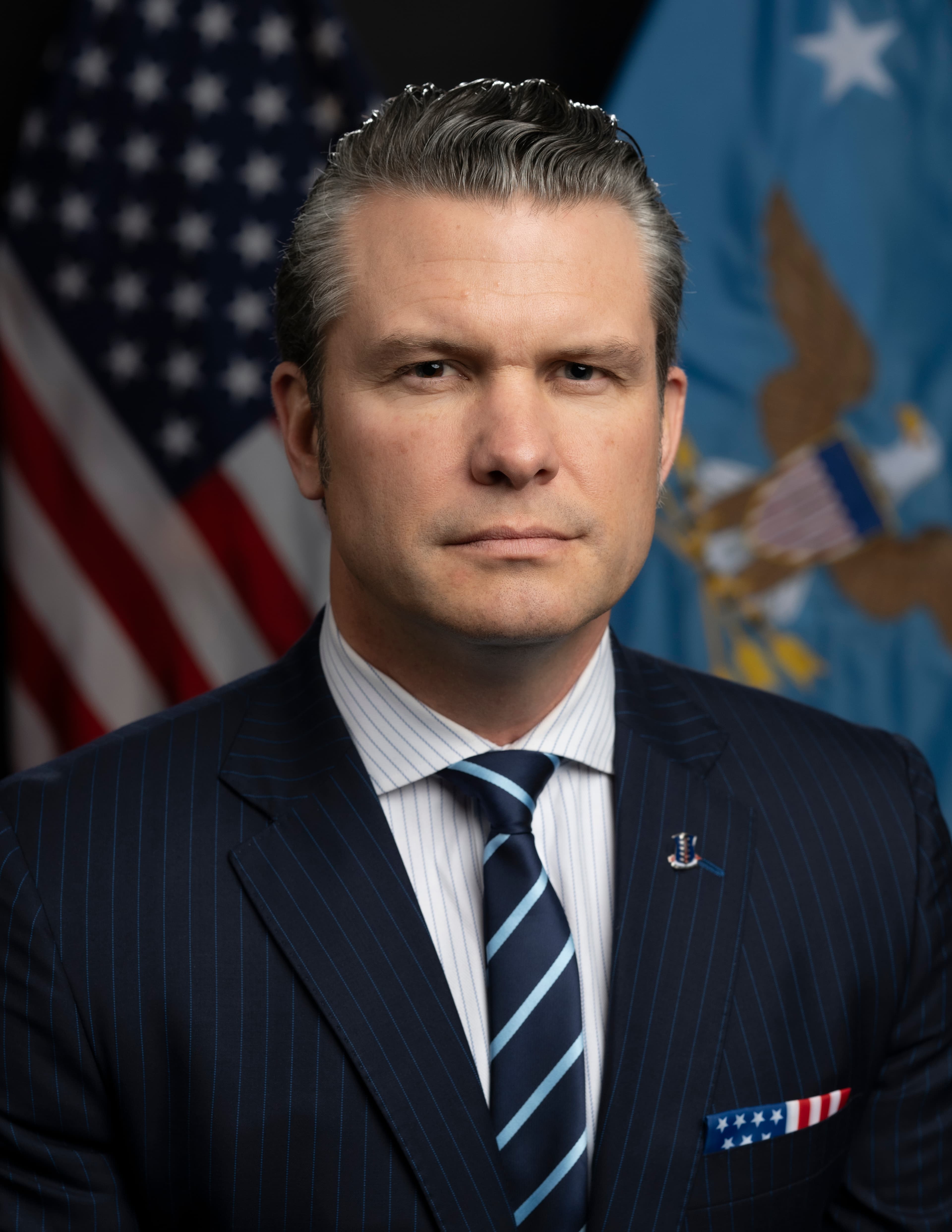
Inside the Pentagon, the quiet, vaulted corridors of the Department of Defense are reverberating with the sound of a fractured chain of command. Defense Secretary Pete Hegseth has unilaterally struck four senior Army officers from a one-star promotion list, a move that is shattering traditional norms and igniting a fierce debate over the politicization of military advancement.
This decision, confirmed by senior military officials, targets two Black officers and two female officers from a promotion list of approximately three dozen candidates, the majority of whom are white men. The removal comes after months of intense internal friction between Hegseth and Army Secretary Daniel P. Driscoll, who had staunchly defended the credentials and decades of exemplary service of the flagged officers. The standoff has now escalated from a private administrative dispute to a public crisis of confidence in the integrity of the merit-based promotion system.
The promotion process for General Officers is traditionally governed by strict adherence to merit, service record, and peer evaluation. By intervening at the eleventh hour, Hegseth has bypassed established oversight protocols, creating a precedent that many military analysts fear will erode institutional trust. For months, Hegseth has articulated a vision for the Department of Defense that prioritizes the eradication of policies he characterizes as excessively progressive, or "woke," suggesting that past administrations allowed diversity and inclusion initiatives to compromise professional excellence.
Secretary Driscoll, tasked with maintaining the readiness and morale of the Army, had reportedly refused to remove the officers, arguing that their records were beyond reproach. When diplomatic attempts to sway the Army leadership failed, Hegseth moved unilaterally. This action suggests a significant shift in the balance of power, where political appointees are exerting granular control over military career paths, a territory previously insulated from political intervention to ensure the apolitical nature of the armed forces.
For international partners, including the Kenya Defence Forces (KDF), the internal stability of the United States military is more than a domestic concern. Kenya maintains a robust military-to-military relationship with the United States, anchored in counter-terrorism training, capacity building, and intelligence sharing. When American military institutions face internal upheaval, the efficacy of the programs that Kenya relies on—such as the International Military Education and Training (IMET) initiatives—can be jeopardized.
Regional experts at the University of Nairobi note that the perception of a compromised or politicized promotion process in the Pentagon can weaken the credibility of American military leadership in the eyes of global partners. If the officers receiving the highest promotions are viewed as products of a political litmus test rather than pure merit, the standard of leadership that Kenya expects from its American counterparts is implicitly questioned.
The impact of this decision extends far beyond the four officers whose careers are currently in limbo. For young officers currently serving, the message is chilling. Military culture relies on the assumption that service and sacrifice are the only currencies that matter. When that contract is perceived to be broken, the consequences are tangible. Recruitment numbers in the United States military have already faced challenges in recent years this move risks alienating a demographic of talented, high-performing individuals who may now view the highest levels of command as an impenetrable, politicized ceiling.
Critics from within the Pentagon, speaking on condition of anonymity, describe a demoralizing atmosphere. They argue that the focus on "anti-woke" rhetoric is masking a reality where specific officers are being targeted based on demographics, regardless of their performance reviews. This creates a culture of fear where the incentive structure shifts from excellence on the field to alignment with political ideology in the front office.
As the list moves to the White House for final review before heading to the Senate, the constitutional questions remain. While a Secretary of Defense holds vast authority over the department, the convention of deferring to military service secretaries on personnel decisions has acted as a guardrail against executive overreach. Hegseth has indicated he is determined to reshape the culture of the institution, but in doing so, he is challenging the very framework that has sustained the US military as a professional, non-partisan force for over a century.
The Senate’s role in confirmation will now be the ultimate litmus test. If the legislative body allows these removals to stand without rigorous investigation into the rationale behind them, the separation between political administration and military command will be permanently blurred. The question for observers in Nairobi, Washington, and across the globe is simple: can a military institution retain its operational integrity when its leadership is at war with its own internal standards? The coming weeks, as the promotion list faces Congressional scrutiny, will provide the answer.
Keep the conversation in one place—threads here stay linked to the story and in the forums.
Sign in to start a discussion
Start a conversation about this story and keep it linked here.
Other hot threads
E-sports and Gaming Community in Kenya
Active 10 months ago
The Role of Technology in Modern Agriculture (AgriTech)
Active 10 months ago
Popular Recreational Activities Across Counties
Active 10 months ago
Investing in Youth Sports Development Programs
Active 10 months ago
Key figures and persons of interest featured in this article