We're loading the full news article for you. This includes the article content, images, author information, and related articles.
The healthcare technology sector has officially moved past the experimental phase of artificial intelligence, demanding strict governance and measurable operational improvements from all new digital integrations
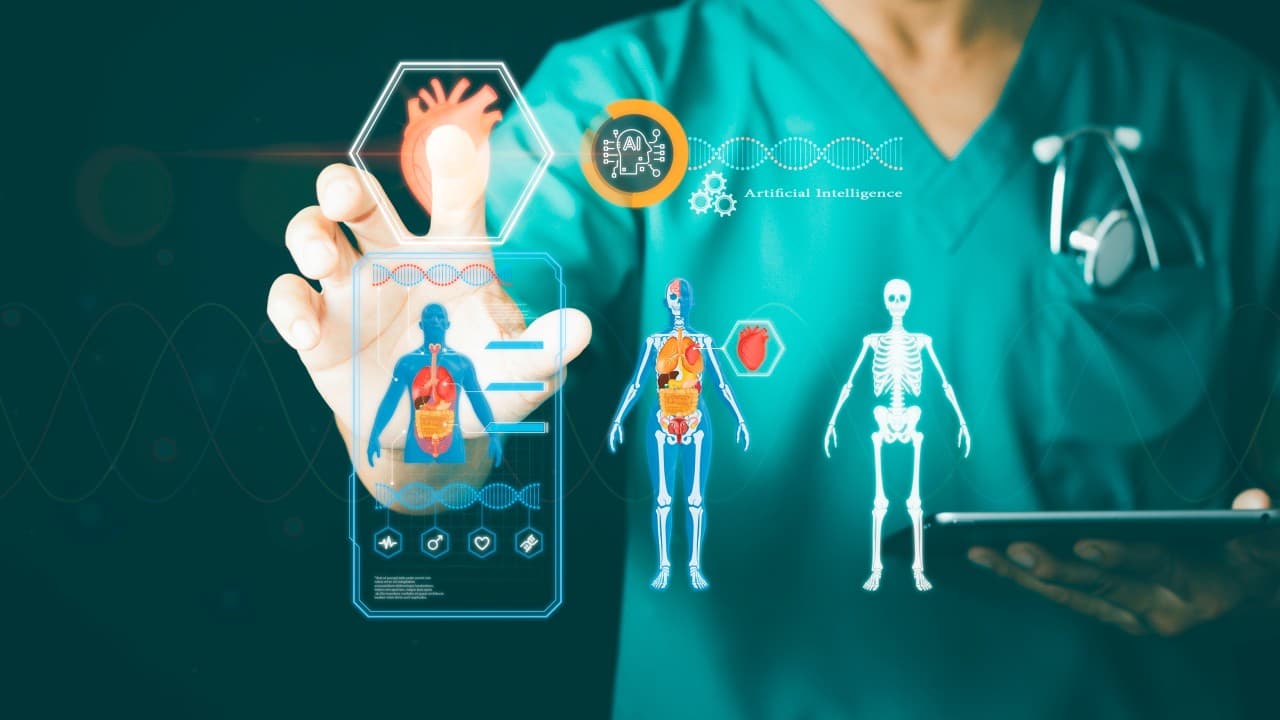
Healthcare Chief Information Officers have officially transitioned from experimental phases into a distinct era of artificial intelligence maturity. The industry focus has decisively shifted away from speculative hype toward delivering measurable clinical outcomes and operational improvements.
As global healthcare systems, including Kenya's rapidly modernizing digital health infrastructure, face critical staffing shortages, integrating AI responsibly is paramount. It is no longer an optional innovation, but an essential tool for scaling equitable patient care.
Recent major industry conferences, including Vive and HIMSS, have starkly highlighted a critical paradigm shift among healthcare technology executives. The novelty of artificial intelligence has definitively worn off, replaced by a rigorous, unsentimental demand for concrete return on investment.
Hospitals and massive healthcare networks are actively moving away from isolated pilot projects. Instead, they are demanding highly scalable, enterprise-wide AI solutions that seamlessly integrate with existing Electronic Health Records (EHR) to demonstrably alleviate crushing administrative burdens on exhausted clinical staff.
This maturation process requires a fundamental shift in procurement strategies. Vendors must now provide incontrovertible, peer-reviewed evidence of operational efficiency gains, reduced patient wait times, and improved diagnostic accuracy before CIOs will authorize substantial capital expenditures.
The primary strategic objective for modern healthcare CIOs is embedding AI directly into the daily operational workflows of doctors and nurses. Artificial intelligence is no longer viewed as a standalone, novelty software application, but rather as foundational digital infrastructure.
In East Africa, where the doctor-to-patient ratio remains critically low, automated triage systems and AI-assisted diagnostic imaging can dramatically multiply the effectiveness of human specialists. By automating mundane clinical documentation, practitioners can dedicate significantly more time to direct, empathetic patient care.
However, this deep integration presents formidable technical and cultural challenges. Systems must be highly intuitive, non-disruptive, and consistently accurate to overcome natural skepticism from historically conservative medical professionals who prioritize patient safety above all else.
As AI tools become deeply embedded in critical patient care decisions, establishing incredibly robust, transparent governance frameworks has become an urgent, non-negotiable priority. CIOs are grappling with complex, rapidly evolving regulatory environments that demand strict algorithmic accountability.
Data privacy remains a paramount concern. Ensuring that highly sensitive patient data used to train massive machine learning models is completely anonymized and protected against sophisticated cyber threats is a constant, high-stakes battle for IT departments.
For Kenyan healthcare initiatives, the global shift toward mature, heavily governed AI presents a unique opportunity to leapfrog legacy IT systems. By adopting proven, rigorously tested global frameworks, local institutions can deploy localized AI solutions safely and efficiently.
Investing heavily in digital literacy for local medical staff is equally critical. The technology is only as effective as the clinicians trained to interpret and act upon its complex, data-driven recommendations.
The era of AI maturity demands a careful, deliberate balance between aggressive technological innovation and uncompromising adherence to the fundamental principles of medical ethics and patient safety.
"Healthcare technology has finally matured to recognize that artificial intelligence is merely the digital scalpel; the skilled human hand guiding it remains the true instrument of healing."
Keep the conversation in one place—threads here stay linked to the story and in the forums.
Sign in to start a discussion
Start a conversation about this story and keep it linked here.
Other hot threads
E-sports and Gaming Community in Kenya
Active 9 months ago
The Role of Technology in Modern Agriculture (AgriTech)
Active 9 months ago
Popular Recreational Activities Across Counties
Active 9 months ago
Investing in Youth Sports Development Programs
Active 9 months ago