We're loading the full news article for you. This includes the article content, images, author information, and related articles.
New Devolution Watch report reveals a stunning 24% surge in Kakamega’s healthcare sector, while arid counties struggle to keep hospitals open.
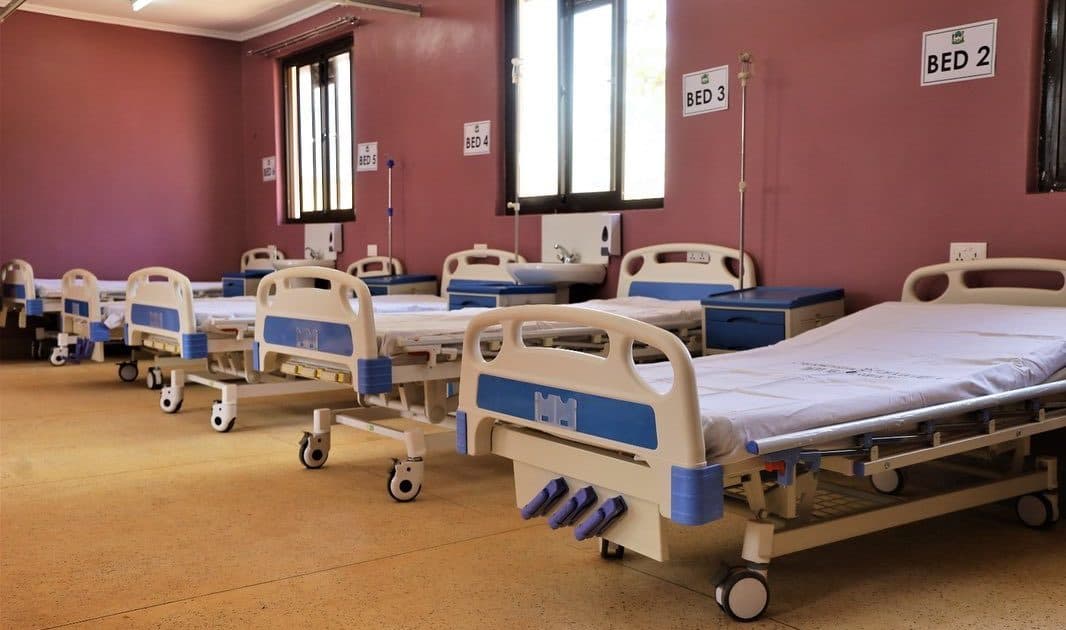
For years, the narrative of Kenyan healthcare has been written in the corridors of Nairobi’s private hospitals. But a quiet revolution is brewing in the periphery. While the capital holds steady, counties like Kakamega and Isiolo are rewriting the script, posting double-digit growth that shames their better-funded peers.
This shift is the headline finding of the Devolution Watch Report 2025, released today. The data is unequivocal: devolution is working, but it is working unevenly. For a mother in Kakamega, it means a 24 percent improvement in service access since 2014. For a pastoralist in Mandera, however, the picture is grim, with the sector contracting by nearly 35 percent in the same period.
The report, which tracks performance over the last decade, places Kakamega at the undisputed summit of county healthcare. The county recorded a massive 24 percent growth, driven by aggressive infrastructure expansion and the operationalization of the Kakamega County Teaching and Referral Hospital.
Isiolo followed with a respectable 12 percent, a figure that translates directly into lives saved. The reopening of Garbatulla Hospital—complete with new radiology units and theatres—means residents no longer face the dangerous trek to Meru or Nairobi for critical surgeries.
According to the report, the top performers share a common strategy: they didn't just build shells; they staffed them and secured the supply chains. The rankings for the decade’s highest growth include:
“Overall, the health sector between 2021 and 2023 shows steady recovery,” the report noted, attributing the success to “efficient use of health budgets and better hospital management.”
While the rural frontiers surged, Kenya’s urban centers settled into a comfortable, if stagnant, rhythm. Nairobi, Kisumu, and Mombasa recorded growth rates between 7.2 percent and 8.7 percent. Analysts point out that this “steady growth” is largely cushioned by the private sector, which absorbs the demand that public facilities cannot handle.
However, the data reveals a fracturing nation. As Kakamega rises, the North Rift and North Eastern regions are sliding backward. Mandera County recorded a shocking -34.6 percent contraction. West Pokot fell by 14.7 percent, and Baringo by 1.2 percent.
These figures are not just statistics; they represent closed dispensaries, missing drugs, and doctors fleeing insecurity. The disparity raises a critical question for the Council of Governors: Is the equitable share truly equitable if the gap between the best and worst performing counties is widening by 50 percentage points?
For the common mwananchi, these percentages determine whether a hospital visit ends in treatment or tragedy. Kakamega’s success is partly linked to the Kakamega County Health Services Fund, which allows facilities to retain and reinvest the revenue they generate—a model that experts argue should be replicated nationally.
Conversely, the contraction in counties like West Pokot suggests that without ring-fenced health funds, medical budgets are easily cannibalized by other emergencies, be it drought or security operations.
“Since 2014, Kenya's county health sector has exhibited a generally positive but uneven growth pattern,” the report concludes, warning that without targeted intervention in the lagging counties, the promise of universal health coverage will remain a mirage for millions.
Keep the conversation in one place—threads here stay linked to the story and in the forums.
Sign in to start a discussion
Start a conversation about this story and keep it linked here.
Other hot threads
E-sports and Gaming Community in Kenya
Active 9 months ago
The Role of Technology in Modern Agriculture (AgriTech)
Active 9 months ago
Popular Recreational Activities Across Counties
Active 9 months ago
Investing in Youth Sports Development Programs
Active 9 months ago