We're loading the full news article for you. This includes the article content, images, author information, and related articles.
The National Hajj Commission of Nigeria has clarified that the drastic reduction in the 2026 Hajj quota is a global logistical measure by Saudi Arabia, affecting Muslim pilgrims worldwide.
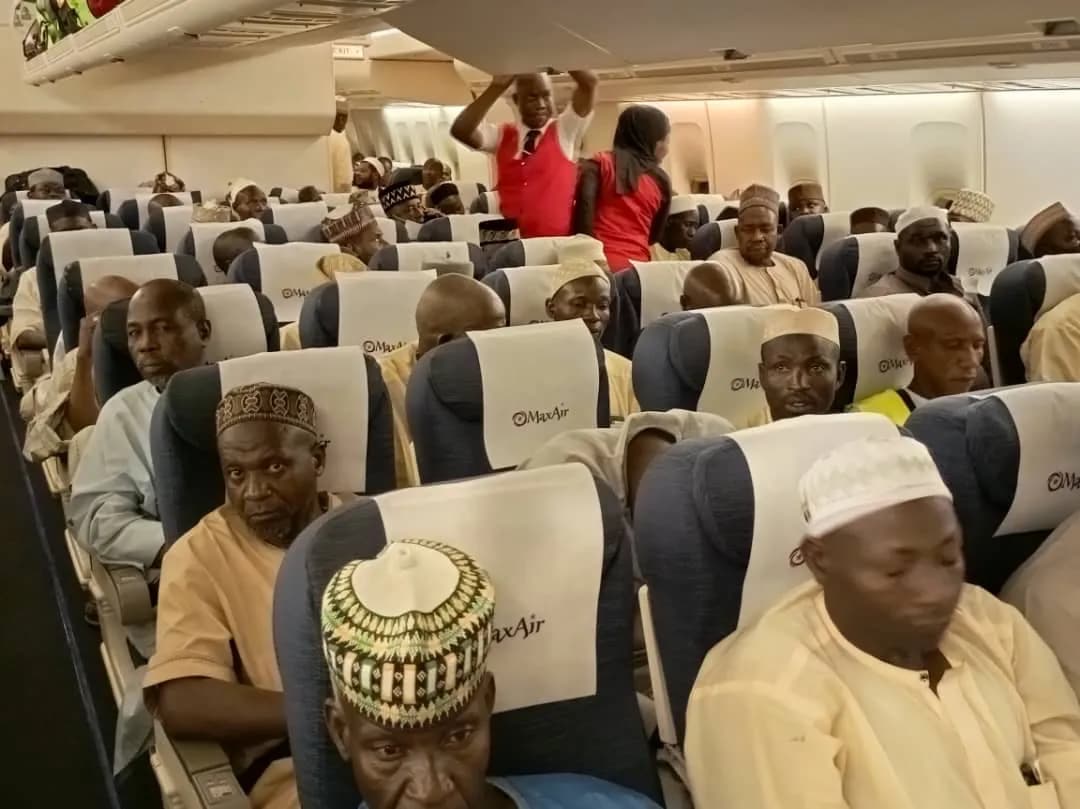
The National Hajj Commission of Nigeria has clarified that the drastic reduction in the 2026 Hajj quota is a global logistical measure by Saudi Arabia, affecting Muslim pilgrims worldwide, including those in East Africa.
The dream of undertaking the sacred Hajj pilgrimage has become increasingly elusive. Following intense speculation and localized frustration, authorities have confirmed that the slashed quotas are not punitive measures targeting specific nations, but a necessary response to logistical and infrastructural capacities in the Holy Land.
This development has profound implications for thousands of faithful across Kenya and the wider continent, who must now navigate a highly competitive and tightly regulated selection process.
Speaking during a strategic stakeholders' meeting, NAHCON Chairman Ismail Yusuf revealed that Nigeria's allocation stands at 40,250 pilgrims. This significant reduction mirrors the challenges faced by the Supreme Council of Kenya Muslims (SUPKEM), which oversees the coordination of Kenyan pilgrims.
Saudi authorities have implemented stringent evolving regulatory measures, prioritizing safety, crowd management, and infrastructural sustainability over sheer numbers.
The management of Hajj logistics requires navigating a complex international regulatory framework. State bodies must ensure seamless coordination with Saudi ministries while managing the immense expectations of their local populations.
To mitigate the disappointment and financial strain on prospective pilgrims, commissions across Africa are implementing sweeping reforms and cost-reduction strategies.
For Kenyan Muslims, the reduced global quota necessitates earlier preparation and a reliance on highly transparent selection criteria. Tour operators in Nairobi and Mombasa are facing unprecedented pressure as demand vastly outstrips the available slots.
Furthermore, the economic impact is palpable. The Hajj travel industry is a significant economic driver, and reduced pilgrim numbers translate to lower revenues for local travel agencies and associated businesses.
"Faith remains unshaken, but the logistics of devotion have never been more demanding; transparency must guide the path to Mecca."
Keep the conversation in one place—threads here stay linked to the story and in the forums.
Sign in to start a discussion
Start a conversation about this story and keep it linked here.
Other hot threads
E-sports and Gaming Community in Kenya
Active 9 months ago
The Role of Technology in Modern Agriculture (AgriTech)
Active 9 months ago
Popular Recreational Activities Across Counties
Active 9 months ago
Investing in Youth Sports Development Programs
Active 9 months ago