We're loading the full news article for you. This includes the article content, images, author information, and related articles.
A decade-long alliance fractures as Riyadh targets Emirati-backed separatists in Mukalla, raising fears of fresh instability along a trade route vital to Kenya’s economy.
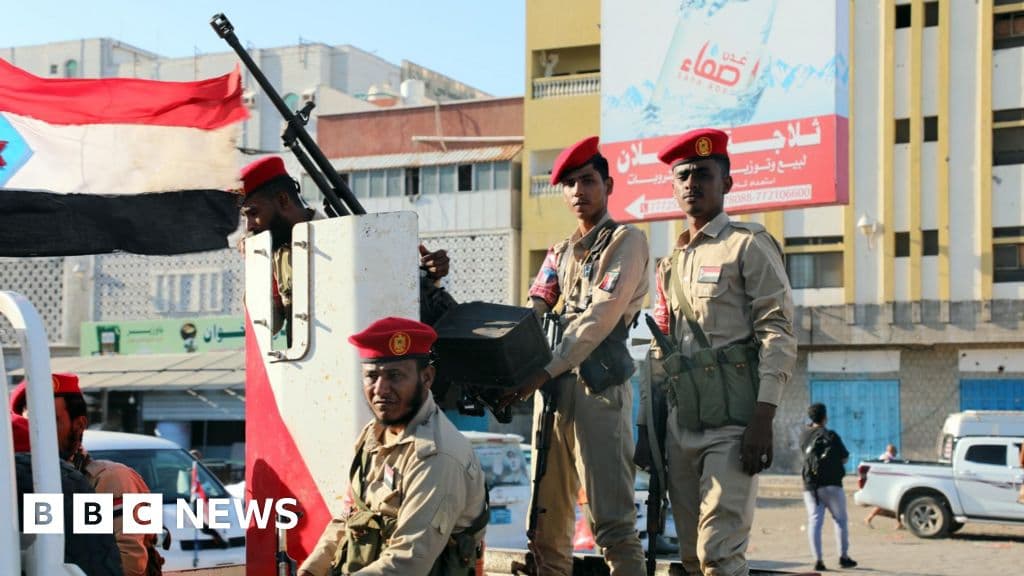
The fragile coalition defining the Yemen war has fractured, with the United Arab Emirates announcing an abrupt withdrawal of its remaining forces following a direct Saudi airstrike on its allies in the southern port of Mukalla.
This escalation marks a dangerous turning point in the decade-long conflict, exposing a deepening rift between the Gulf powerhouses that could destabilize the Red Sea trade route—a vital artery for Kenya’s fuel and consumer imports.
The diplomatic rupture began early Tuesday when a Saudi-led coalition jet struck what Riyadh identified as a weapons shipment entering the UAE-backed separatist stronghold of Mukalla. Saudi state media alleged the cargo had arrived from Fujairah on vessels with disabled tracking systems, intended to arm the Southern Transitional Council (STC).
The reaction was swift. Yemen’s Presidential Leadership Council (PLC), backed by Saudi Arabia, canceled a defense pact with Abu Dhabi and issued a 24-hour ultimatum for Emirati troops to leave. In a televised address, PLC Chairman Rashad al-Alimi accused the UAE of "pressuring and directing" separatists to undermine the state.
The UAE Defence Ministry, however, denied the shipment contained weapons, expressing "deep regret" and claiming the vehicles were for its own counterterrorism units. Hours later, it announced the "termination" of its presence in Yemen "of its own volition," citing safety concerns.
While the bombs fell 2,000 kilometers away, the shockwaves are likely to be felt in Kenyan households. The Red Sea and Gulf of Aden form the maritime superhighway for Kenya’s imports from the Middle East and Asia. Instability here historically triggers a spike in shipping insurance premiums, costs that are inevitably passed down to the wananchi.
The Saudi-UAE partnership was once the bedrock of the fight against the Iran-backed Houthis. Yet, as the war dragged on, their interests diverged. Saudi Arabia supports the central government to secure its southern border, while the UAE has backed the STC, which seeks an independent state in South Yemen.
Tensions boiled over this month when STC forces seized control of the oil-rich Hadramout province, a move Riyadh declared a "red line." The Mukalla airstrike was a clear message that Saudi Arabia is willing to use force to check its neighbor's influence.
"The coalition supporting legitimacy in Yemen has become a thing of the past," a high-ranking STC source told regional media, signaling that the anti-Houthi front has effectively collapsed into infighting.
As the last Emirati troops pack their bags, the region faces a vacuum that could invite further chaos. For East Africa, the hope is that this divorce remains diplomatic and does not spiral into a maritime crisis that chokes the supply of goods to Mombasa.
Keep the conversation in one place—threads here stay linked to the story and in the forums.
Sign in to start a discussion
Start a conversation about this story and keep it linked here.
Other hot threads
E-sports and Gaming Community in Kenya
Active 9 months ago
The Role of Technology in Modern Agriculture (AgriTech)
Active 9 months ago
Popular Recreational Activities Across Counties
Active 9 months ago
Investing in Youth Sports Development Programs
Active 9 months ago



