We're loading the full news article for you. This includes the article content, images, author information, and related articles.
After capturing less than ten percent of the target market, state planners go back to the drawing board to fix quality and traceability gaps.
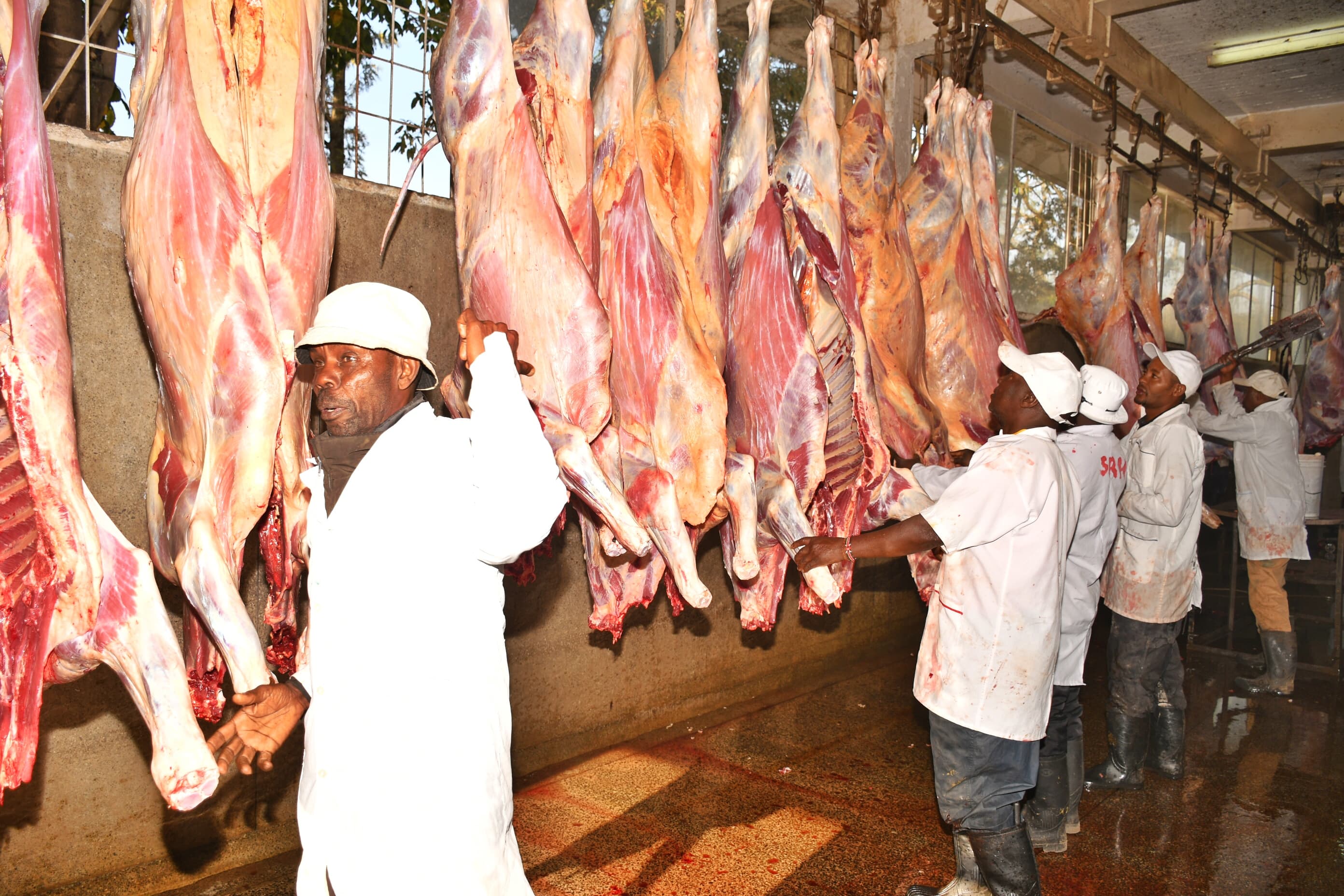
The grand vision of turning Kenya into the butcher shop of the Middle East has collided with the hard reality of global logistics and quality standards. In a rare moment of candid admission, the government has acknowledged that its ambitious plan to flood the Gulf region with Kenyan meat has faltered, capturing less than 10 percent of the available market share. Despite high-profile trade deals with the United Arab Emirates (UAE) and Saudi Arabia, the expected boom in exports has materialized as a mere trickle, prompting a strategic rethink at the State Department for Livestock Development.
The potential is undeniable; the Gulf nations are voracious consumers of red meat, importing billions of dollars' worth annually. Yet, Kenya has watched from the sidelines as competitors seize these opportunities. The admission of failure is the first step in a new, aggressive strategy dubbed "DE-RISKING" and the "DRIVE" project, aimed at overhauling the entire value chain from the pastoralist's herd to the supermarket shelf in Dubai.
The primary stumbling block has been a mismatch in standards. While Kenyan meat is flavorful, the export market demands rigorous consistency, safety, and traceability that the current fragmented supply chain struggles to deliver. "We are not able to even get to 10 percent," lamented a senior official. The Gulf market is not just hungry; it is discerning.
To bridge this gap, the government is rolling out a new export development program. This initiative focuses on the "pastoral production" zones, aiming to professionalize the rearing of livestock. It is no longer enough to just have cattle; Kenya must have cattle that meet specific weight, health, and age metrics demanded by international buyers. The Kenya Meat Commission (KMC) is being positioned as the anchor of this new quality regime, but it requires a consistent supply of export-grade animals that is currently lacking.
A critical component of the reset is a laser focus on Halal certification. The Middle East market is strictly Halal, and any ambiguity in the slaughtering process is a deal-breaker. The new strategy involves stringent certification protocols to ensure that Kenyan meat is unquestionable in its religious compliance. This is not just about religion; it is about market access. Without ironclad Halal credentials, the Gulf doors remain firmly shut.
The success of this new tack relies heavily on the pastoralist communities who own the bulk of Kenya's livestock. The government's challenge is to transition these communities from keeping cattle as a store of wealth to treating livestock farming as a commercial enterprise. The "DRIVE" project (De-risking, Inclusion, and Value Enhancement) funded by the World Bank is the vehicle for this transformation.
Kenya has been given a second chance to claim its slice of the Gulf pie. The market is waiting, but it will not wait forever. By admitting the flaws in the initial plan and moving to correct them, the state has shown it is serious about business. Now, the hard work of turning policy into protein begins.
Keep the conversation in one place—threads here stay linked to the story and in the forums.
Sign in to start a discussion
Start a conversation about this story and keep it linked here.
Other hot threads
E-sports and Gaming Community in Kenya
Active 9 months ago
The Role of Technology in Modern Agriculture (AgriTech)
Active 9 months ago
Popular Recreational Activities Across Counties
Active 9 months ago
Investing in Youth Sports Development Programs
Active 9 months ago