We're loading the full news article for you. This includes the article content, images, author information, and related articles.
Confusion grips commuters as rival transport lobbies issue conflicting directives, threatening to paralyze Nairobi’s economy.
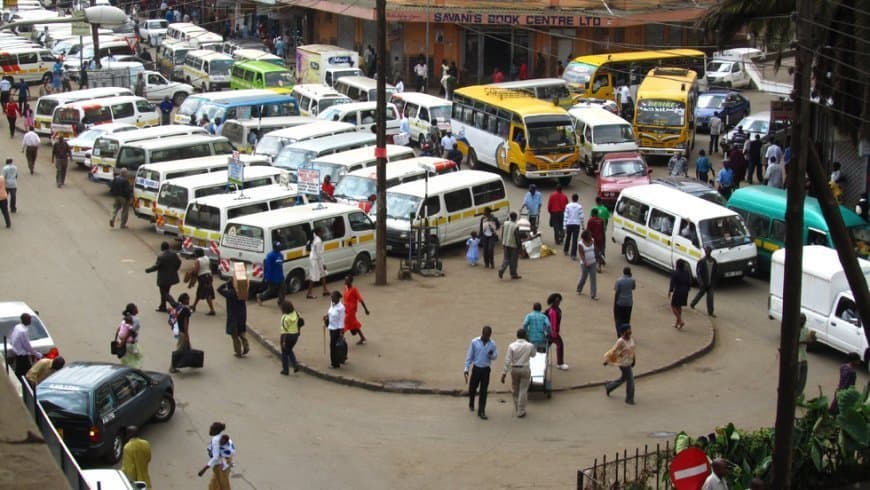
Nairobi’s commuters are staring down the barrel of a logistical nightmare as a deep schism within the public transport sector has left millions guessing whether they will have a ride to work this Monday. While one faction has called for a ceasefire, hardliners are digging in their heels.
The confusion stems from a late-night divergence between the Federation of Public Transport Sector (FPTS) and the militant Inter-Corridor Mobility group. While the former has suspended the strike to allow for dialogue with the government, the latter has vowed to paralyze operations, citing a "betrayal" of the common operator. This lack of unity transforms a labor dispute into a dangerous gamble with the city’s economic pulse.
The genesis of this chaos lies in the government’s recent crackdown on PSV compliance, a move operators decry as extortion disguised as regulation. The FPTS, representing the more corporate wing of the industry, backed down late Sunday after security agencies promised a review of traffic protocols. Their statement was conciliatory, urging members to "give dialogue a chance."
However, the situation on the ground tells a different, more volatile story. The Inter-Corridor Mobility chairman, Joseph Kagai, has declared the strike "irreversible." His faction, which controls critical routes connecting Nairobi’s satellite towns, argues that the government’s promises are empty tactics designed to diffuse momentum.
The stakes could not be higher. The Kenya Private Sector Alliance (KEPSA) estimates that a single day of transport paralysis costs the Nairobi economy upwards of KES 2 billion in lost productivity. For the casual laborer in Industrial Area or the market trader in Gikomba, a missed day of work is the difference between solvency and hunger.
Transport Cabinet Secretary Kipchumba Murkomen has remained tight-lipped, but sources within the ministry suggest a "zero tolerance" policy for road blockades. Police contingents have been mobilized to critical depots, but in the sprawling, chaotic ecosystem of Nairobi’s termini, enforcement is a cat-and-mouse game.
As the sun rises over the city, the true test will not be in the boardrooms where deals were cut, but on the tarmac where the rubber meets the road. For the millions of Nairobians caught in the crossfire, the message is grim: brace for impact.
Keep the conversation in one place—threads here stay linked to the story and in the forums.
Sign in to start a discussion
Start a conversation about this story and keep it linked here.
Other hot threads
E-sports and Gaming Community in Kenya
Active 10 months ago
Popular Recreational Activities Across Counties
Active 10 months ago
The Role of Technology in Modern Agriculture (AgriTech)
Active 10 months ago
Investing in Youth Sports Development Programs
Active 10 months ago
Key figures and persons of interest featured in this article