We're loading the full news article for you. This includes the article content, images, author information, and related articles.
A legislative breakthrough offers hope for US airport security after a month-long funding lapse leaves TSA staff unpaid and travelers facing chaotic delays.

At terminal checkpoints across the United States, the scene remains a paradox of high-tech surveillance and low-tech desperation. Thousands of Transportation Security Administration officers, tasked with safeguarding the nation's skies, have been reporting for shifts since mid-February without the certainty of a paycheck. As government funding lapsed, the quiet exhaustion of these essential workers has manifested in snaking security lines, mounting traveler anxiety, and a growing apprehension that the gears of global transit are grinding to a halt.
This crisis, while rooted in the halls of the US Capitol, is rapidly transcending domestic borders. The Senate’s breakthrough move to approve a funding package for the Department of Homeland Security marks a critical pivot point, yet the reality remains that the House of Representatives must still secure its own vote before the relief can materialize. For the thousands of Kenyan professionals, students, and tourists who utilize US aviation hubs as gateways to the Americas, this legislative standoff is not merely a political abstraction it is a direct disruption to the reliability of international connectivity.
The operational reality of a government shutdown is far less clinical than the political debates in Washington suggest. For the TSA workforce, the absence of regular compensation has created a secondary crisis of attrition and low morale. Reports from major transit hubs indicate that staff shortages are forcing airport authorities to consolidate security checkpoints, thereby exponentially increasing wait times.
This is a structural failure that creates a ripple effect. When airport security throughput slows, international flight connections are missed, hotel bookings are disrupted, and supply chains for time-sensitive cargo are delayed. The human element is often lost in the discussion of appropriations bills, yet it is the primary driver of this disruption. If the House does not act with the requisite urgency to ratify the Senate package, the backlog will only deepen, exacerbating the pressure on an already strained federal workforce.
Beyond the terminals, the economic fallout is manifesting in the financial markets with troubling velocity. The Dow Jones Industrial Average plummeted 450 points, while the tech-heavy Nasdaq index fell 2.3 percent, signaling a descent into official correction territory. This financial volatility is intrinsically linked to the broader, far more dangerous geopolitical reality: the ongoing conflict between the United States, Israel, and Iran.
For readers in Nairobi, the link between a US budget shutdown and their household economy is found in the price of fuel. The volatility in global oil markets, triggered by the ongoing hostilities, is exacerbated when the US political apparatus appears unable to function. If the world’s largest economy remains in a state of fiscal paralysis while simultaneously navigating a major military engagement, the resulting uncertainty drives oil price fluctuations. Consequently, the Kenyan shilling remains vulnerable to these global inflationary pressures. The government in Nairobi must prepare for potential supply chain disruptions and fuel price volatility as long as Washington remains focused on internal gridlock rather than external economic stabilization.
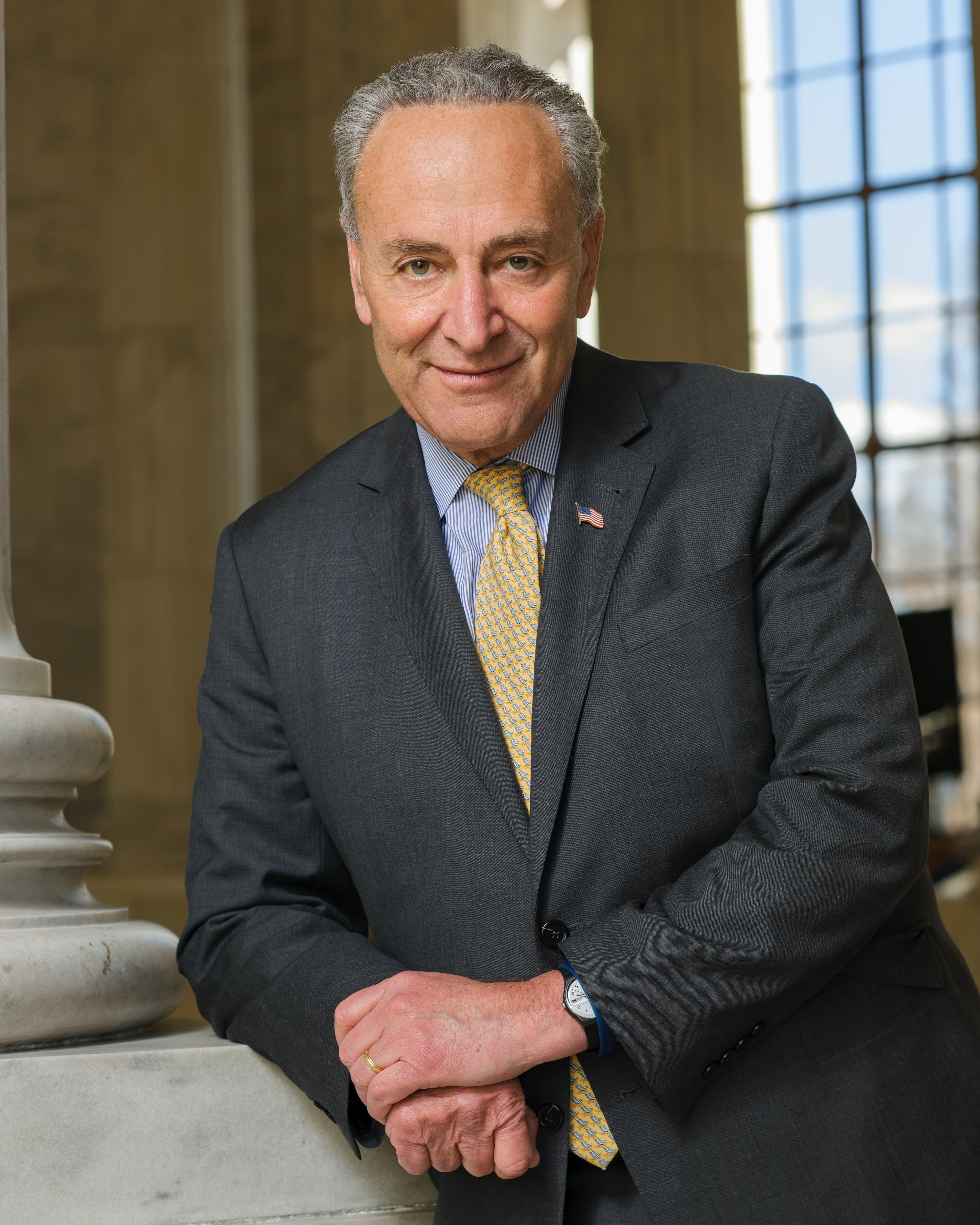
The rhetoric surrounding this legislative failure exposes a deep fracture in the American political psyche. Senate Democratic leader Chuck Schumer has framed the standoff as an ideological battle against what he terms a rogue immigration operation, asserting that his party would not capitulate to funding demands without significant reform. Conversely, Republican Senator Susan Collins, who chairs the Senate Appropriations Committee, has leveled stinging criticism at her Democratic counterparts, arguing that their intransigence has weakened national security and set a dangerous precedent for future fiscal negotiations.
This impasse illustrates a governing system that is increasingly incapable of meeting routine administrative obligations. When critical departments such as the Department of Homeland Security are treated as leverage in broader partisan warfare, the integrity of national institutions suffers. The political maneuverings have also introduced peculiar administrative shifts, such as the upcoming change to US currency—which will feature President Donald Trump's signature for the first time—a move that, while largely symbolic, serves as a stark reminder of the current administration's push to imprint its ideology on every facet of the American state.
As Washington looks toward the House vote, the path forward remains fraught with uncertainty. The resolution of this funding gap will not immediately restore the lost productivity or the shattered confidence of the federal workforce. It will, however, serve as a stress test for the resilience of the American legislative process during a period of acute global geopolitical tension. Whether the government reopens today or next week, the damage to the reputation of US bureaucratic stability may take considerably longer to repair.
Keep the conversation in one place—threads here stay linked to the story and in the forums.
Sign in to start a discussion
Start a conversation about this story and keep it linked here.
Other hot threads
E-sports and Gaming Community in Kenya
Active 10 months ago
The Role of Technology in Modern Agriculture (AgriTech)
Active 10 months ago
Popular Recreational Activities Across Counties
Active 10 months ago
Investing in Youth Sports Development Programs
Active 10 months ago
Key figures and persons of interest featured in this article