We're loading the full news article for you. This includes the article content, images, author information, and related articles.
<strong>Once a footnote in corporate reports, sustainability is now a core growth strategy for Kenya’s top firms, unlocking billions in green finance even as global climate politics falter.</strong>
A decade ago, sustainability was hardly boardroom talk in Kenya. It was the domain of activists or, at best, a CSR team organising a tree-planting day. Today, it has migrated from the factory floor to the C-suite, becoming a key driver of business growth and competitiveness.
This shift from photo-op to core strategy is reshaping how Kenyan companies operate. With consumers demanding more transparency and regulators preparing for mandatory reporting, sustainability is no longer just good optics—it's good business. For ordinary Kenyans, this pivot means new opportunities, from green housing loans to jobs in a low-carbon economy.
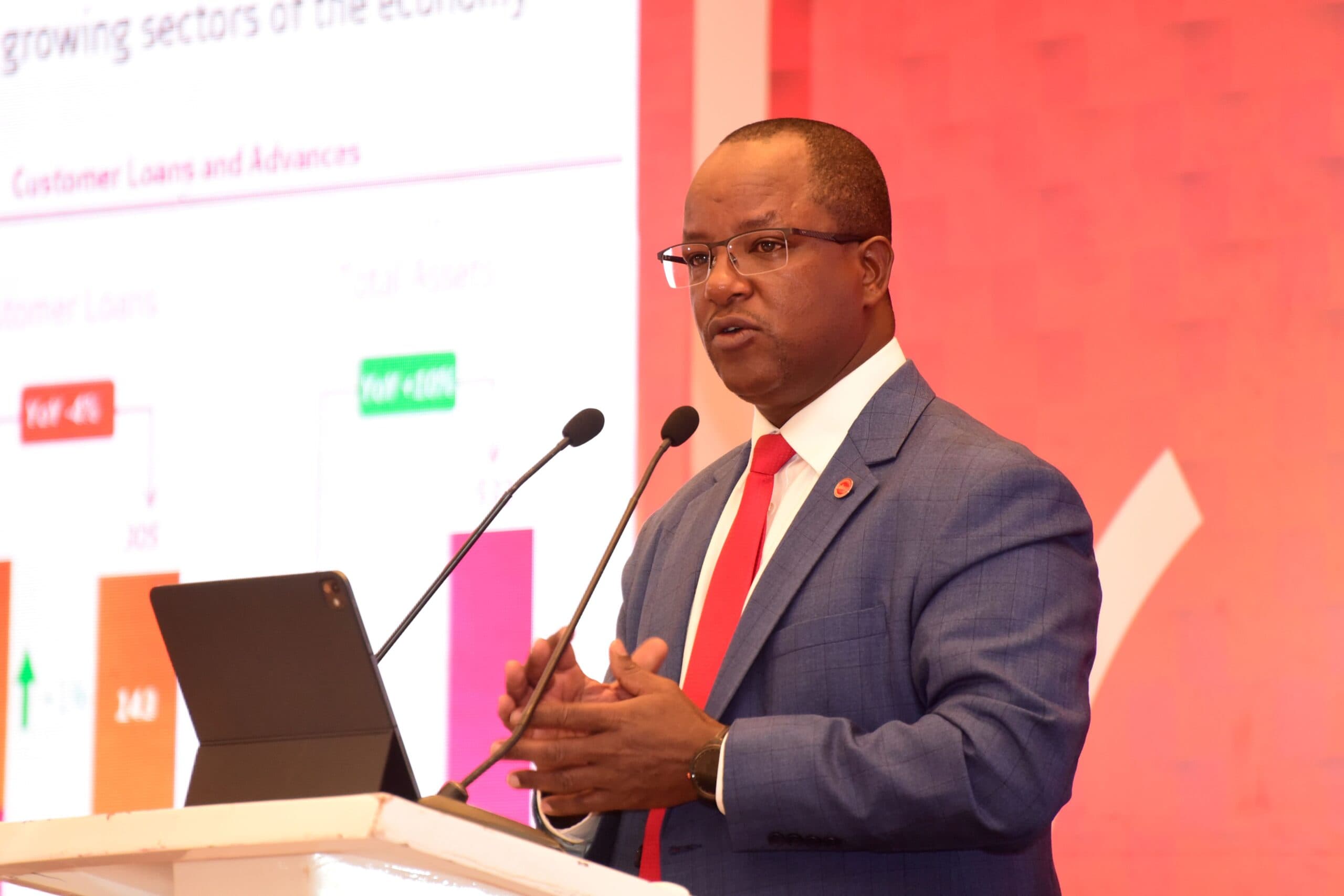
The clearest evidence of this change is in the financial sector. In August, Absa Bank Kenya unveiled its 2024 Sustainability and Climate Report, not as a PR exercise, but as a business blueprint. Yusuf Omari, the bank's Chief Financial Officer, emphasized that sustainability is central to survival. "Sustainability sounds like a big, complex thing, but it has very simple, tangible applications in our daily lives," Omari noted.
Absa backed this sentiment with significant capital, channelling KES 47 billion into sustainable finance in 2024. This includes KES 4 billion for climate-smart projects and the launch of Kenya's first Eco-Home Loan, which offers up to 110% financing for building or upgrading homes with energy-efficient features.
Absa is not alone. Kenya's banking sector is in a green finance race:
This push comes ahead of new regulations. The Institute of Certified Public Accountants of Kenya (ICPAK) has set January 1, 2027, as the start date for mandatory sustainability reporting for public companies, aligning Kenya with global standards.
Kenya's corporate embrace of sustainability contrasts sharply with political headwinds in other parts of the world. In the United States, for instance, a potential Trump administration has signaled a rollback of climate policies, and corporate Environmental, Social, and Governance (ESG) initiatives have been criticized by some as "woke capitalism."
Despite this, the global business case remains strong. A 2025 Deloitte report found that 83% of global executives increased their sustainability investments over the past year. Many leaders cited revenue generation, improved brand reputation, and risk management as key benefits, proving that market forces are often more powerful than political rhetoric.
As Kenyan firms like Safaricom, Kakuzi, and Standard Chartered join the ranks of those publishing detailed sustainability reports, the message is clear. The era of sustainability as a side project is over. For Kenya's leading companies, the future is not just profitable—it's sustainable.
Keep the conversation in one place—threads here stay linked to the story and in the forums.
Sign in to start a discussion
Start a conversation about this story and keep it linked here.
Other hot threads
E-sports and Gaming Community in Kenya
Active 10 months ago
The Role of Technology in Modern Agriculture (AgriTech)
Active 10 months ago
Popular Recreational Activities Across Counties
Active 10 months ago
Investing in Youth Sports Development Programs
Active 10 months ago