We're loading the full news article for you. This includes the article content, images, author information, and related articles.
A devastating sheep and goat pox outbreak in Greece is forcing a massive cull, threatening the global supply of feta cheese and signalling potential price hikes for Kenyan consumers and restaurants.
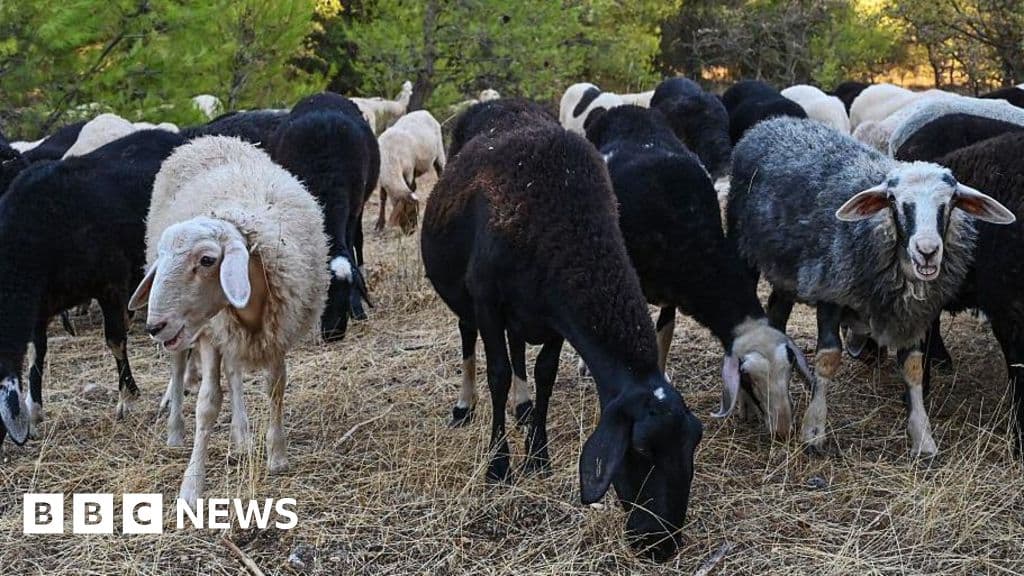
A highly infectious disease sweeping through farms in Greece could soon hit the wallets of shoppers in Nairobi. An outbreak of sheep and goat pox has led to the culling of hundreds of thousands of animals, striking at the heart of the production of feta, the nation's celebrated cheese.
For Kenya, this is more than a distant headline. It is a direct threat to the supply chain of a popular delicacy found in supermarket aisles and on restaurant menus across the country, portending significant price increases for what the Greeks call their "white gold."
The crisis is acute in regions like Thessaly, Greece's agricultural heartland. Farmer and veterinarian Anastasia Siourtou, who recently lost her entire flock of 650 sheep, described the immense emotional and financial toll. "I was here the day the sheep were culled. It is very cruel, I felt that I failed to protect them," she noted. Her story is one of many, as the outbreak has already inflicted economic losses estimated at over €350 million (approx. KES 50.5 billion).
The disruption in Greece poses a direct challenge to Kenyan importers and businesses. Feta is a key ingredient in salads, pastries, and other dishes popular in urban eateries. While Kenya has a robust local cheese industry, authentic Greek feta holds a premium spot in the market, protected by the EU's Designation of Origin.
A quick survey of Nairobi supermarkets shows local and imported feta prices ranging from KES 455 for 250g to over KES 1,045 for 500g. Any squeeze on the global supply, which relies on Greece for about 65% of its annual production, will inevitably drive these prices higher. The Greek feta export market is substantial, valued at around €1 billion (approx. KES 144 billion) annually.
The plight of Greek farmers is one that Kenyan livestock holders know all too well. Local farmers continually battle outbreaks of diseases like Foot and Mouth, East Coast Fever, and Trypanosomiasis, which can devastate herds and livelihoods. For instance, diseases like Trypanosomiasis are estimated to cost the Kenyan economy over KES 18 billion annually. The situation in Greece, where over 404,000 animals have been culled since August 2024, is a stark reminder of the universal vulnerability of the agricultural sector to disease.
As Greek authorities scramble to contain the outbreak through quarantines and culling, the long-term effects on feta production remain uncertain. For now, chefs and consumers in Kenya will be watching prices closely, a clear illustration of how a crisis on a distant European farm can ripple all the way to the African dinner table.
Keep the conversation in one place—threads here stay linked to the story and in the forums.
Sign in to start a discussion
Start a conversation about this story and keep it linked here.
Other hot threads
E-sports and Gaming Community in Kenya
Active 9 months ago
The Role of Technology in Modern Agriculture (AgriTech)
Active 9 months ago
Popular Recreational Activities Across Counties
Active 9 months ago
Investing in Youth Sports Development Programs
Active 9 months ago



