We're loading the full news article for you. This includes the article content, images, author information, and related articles.
While the State pumps fresh billions into primary education, a quiet slash in Free Day Secondary School allocations leaves parents facing a bitter new reality.
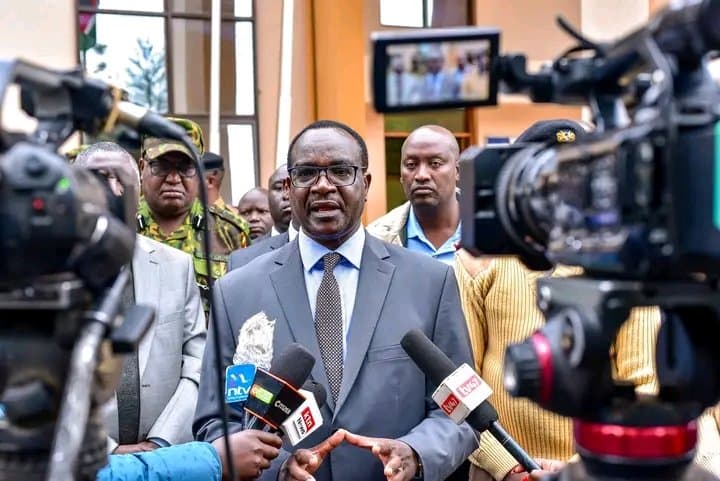
NAIROBI — The government has announced a significant upward review of the Free Primary Education (FPE) capitation grant, raising the allocation to Sh2,238 per learner annually. The move, confirmed today by the State Department for Basic Education, marks a decisive shift in the funding model that has remained stagnant for years, offering a lifeline to thousands of cash-strapped headteachers across the country.
However, the announcement delivers a mixed verdict for the Kenyan household. While primary schools celebrate the cash injection, parents with children in secondary schools face a looming "fees shocker" as the State simultaneously moves to reduce the capitation for the Free Day Secondary Education (FDSE) programme.
Speaking on the changes, Director-General for Basic Education Elyas Abdi noted that the increase to Sh2,238 is intended to bridge the widening gap between school operational costs and the rising cost of living. For over a decade, the figure had hovered around Sh1,420, a sum that headteachers argued was no longer sufficient to purchase chalk, let alone textbooks or pay support staff.
"This adjustment is not just a figure; it is a recognition of the economic realities our schools face," Abdi stated. "We are committed to ensuring that the foundation of our education system—the primary level—is solid enough to empower the next generation."
The funding boost is expected to cover:
Yet, the narrative of empowerment is complicated by the government's concurrent decision to trim secondary school funding. Details emerging from the Ministry indicate a revision of the FDSE capitation, effectively shifting a larger burden of boarding and operational costs back to parents. This comes at a time when inflation has already eroded the purchasing power of the shilling, leaving many families in a precarious financial position.
Economic analysts warn that this "rob Peter to pay Paul" approach could undermine the gains made in transition rates. "If you empower the primary learner but price them out of secondary education, you are building a bridge that ends in the middle of the river," cautioned Dr. Sheila Mwaura, an education policy researcher in Nairobi.
This policy shift aligns with the broader Empower Africa conversation championed by stakeholders this year, which emphasizes self-reliance and sustainable development. By bolstering the base of the education pyramid, the State argues it is securing the most critical stage of human capital development. However, critics argue that true empowerment requires a holistic investment that spans from the nursery to the university.
For the average Kenyan parent—the mama mboga in Gikomba or the tea farmer in Bomet—the mathematics is simple but brutal. The relief of paying less for a primary schooler is instantly swallowed by the higher fees demanded for their older sibling in high school.
"We are happy for the primary schools," said Kennedy Ochieng, a parent and PTA chair in Kisumu. "But if the government takes away the ladder to secondary school, where do our children go? We need a plan that protects the entire journey, not just the start."
Keep the conversation in one place—threads here stay linked to the story and in the forums.
Sign in to start a discussion
Start a conversation about this story and keep it linked here.
Other hot threads
E-sports and Gaming Community in Kenya
Active 9 months ago
The Role of Technology in Modern Agriculture (AgriTech)
Active 9 months ago
Popular Recreational Activities Across Counties
Active 9 months ago
Investing in Youth Sports Development Programs
Active 9 months ago



