We're loading the full news article for you. This includes the article content, images, author information, and related articles.
The tech giant has removed a critical lifeline for parents checking on kids, forcing users into a complex workaround that leaves many smart displays silent.
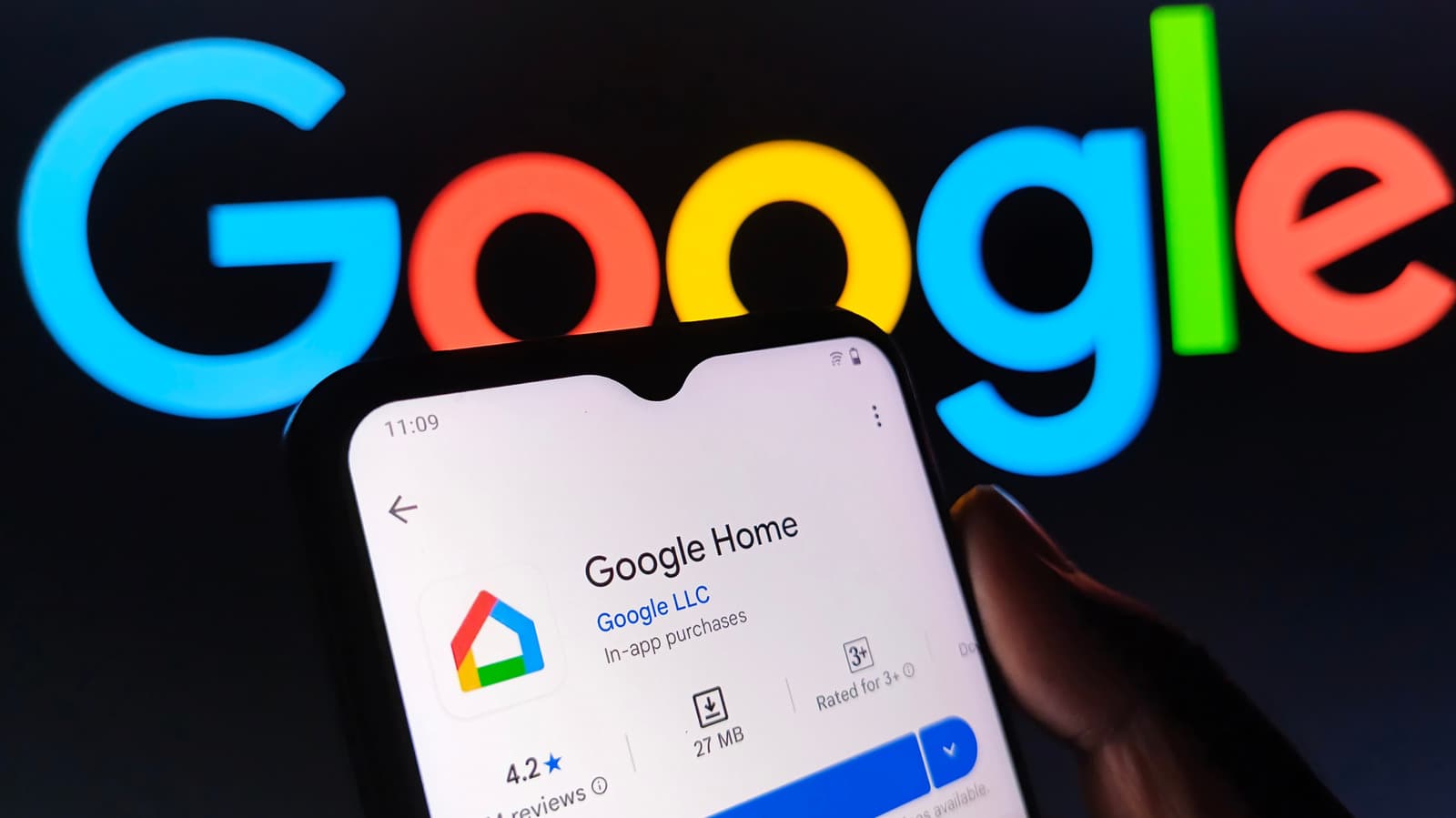
For many working parents stuck in Nairobi's notorious Mombasa Road traffic, the "Call Home" button on the Google Home app was more than a feature—it was a digital lifeline. With a single tap, you could drop into your living room to check on children too young for smartphones or verify that the house help had arrived. But as of this week, that lifeline has been severed.
Google has quietly removed the "Call Home" functionality from its app, a move that has sparked confusion and frustration among users globally. The feature, which allowed seamless voice and video calls to Nest Hubs and Pixel Tablets, has vanished without an official announcement, leaving families scrambling for alternatives.
The change appears to be part of a broader update to the Google Home ecosystem. Previously, the "Call Home" button sat prominently in the app, allowing a user to ring all compatible smart speakers and displays in their house simultaneously. It was the smart home equivalent of a landline—simple, direct, and reliable.
Now, that button is gone. Tech analysts suggest this is part of Google's transition away from legacy systems like Google Duo toward the more corporate-focused Google Meet, as well as a push to integrate its new AI, Gemini. However, for the end-user, the technical reasoning offers little comfort.
"It feels like they broke the digital dinner bell," noted one frustrated user on a community forum, echoing a sentiment felt by thousands who relied on the feature for household intercoms.
While the functionality isn't completely dead, it is now significantly harder to access. Users can no longer simply "call home." Instead, they must navigate a more complex system using Google Meet.
To achieve the same result, you must now:
Tech experts have described this new process as "clunky" and "account-heavy." For a Kenyan household where a Nest Hub (often costing between KES 15,000 and KES 25,000) serves as a shared family device, assigning individual accounts to a communal screen adds unnecessary friction.
In Kenya, the adoption of smart home technology is growing among the urban middle class, often driven by the need for security and remote home management. The "Call Home" feature was particularly popular because it bridged the gap for "latchkey" children—those home from school before parents return from work.
Unlike a mobile phone, which a child might lose or forget to charge, a smart display is stationary and always on. It allowed parents to check in without equipping a seven-year-old with a smartphone. By removing the one-tap simplicity, Google has inadvertently removed a layer of peace of mind for parents managing the delicate balance of work and home life.
While Google pushes toward a future dominated by AI and complex integration, this update serves as a stark reminder: sometimes, the smartest feature is just being able to call your family when you need them.
Keep the conversation in one place—threads here stay linked to the story and in the forums.
Sign in to start a discussion
Start a conversation about this story and keep it linked here.
Other hot threads
E-sports and Gaming Community in Kenya
Active 9 months ago
The Role of Technology in Modern Agriculture (AgriTech)
Active 9 months ago
Popular Recreational Activities Across Counties
Active 9 months ago
Investing in Youth Sports Development Programs
Active 9 months ago



