We're loading the full news article for you. This includes the article content, images, author information, and related articles.
In a blunt address at State House, the President washes his hands of the 'NGO industrial complex' fallout, backing a new US-led model that funnels billions directly to the government—but questions on KEMSA’s integrity and data privacy loom large.
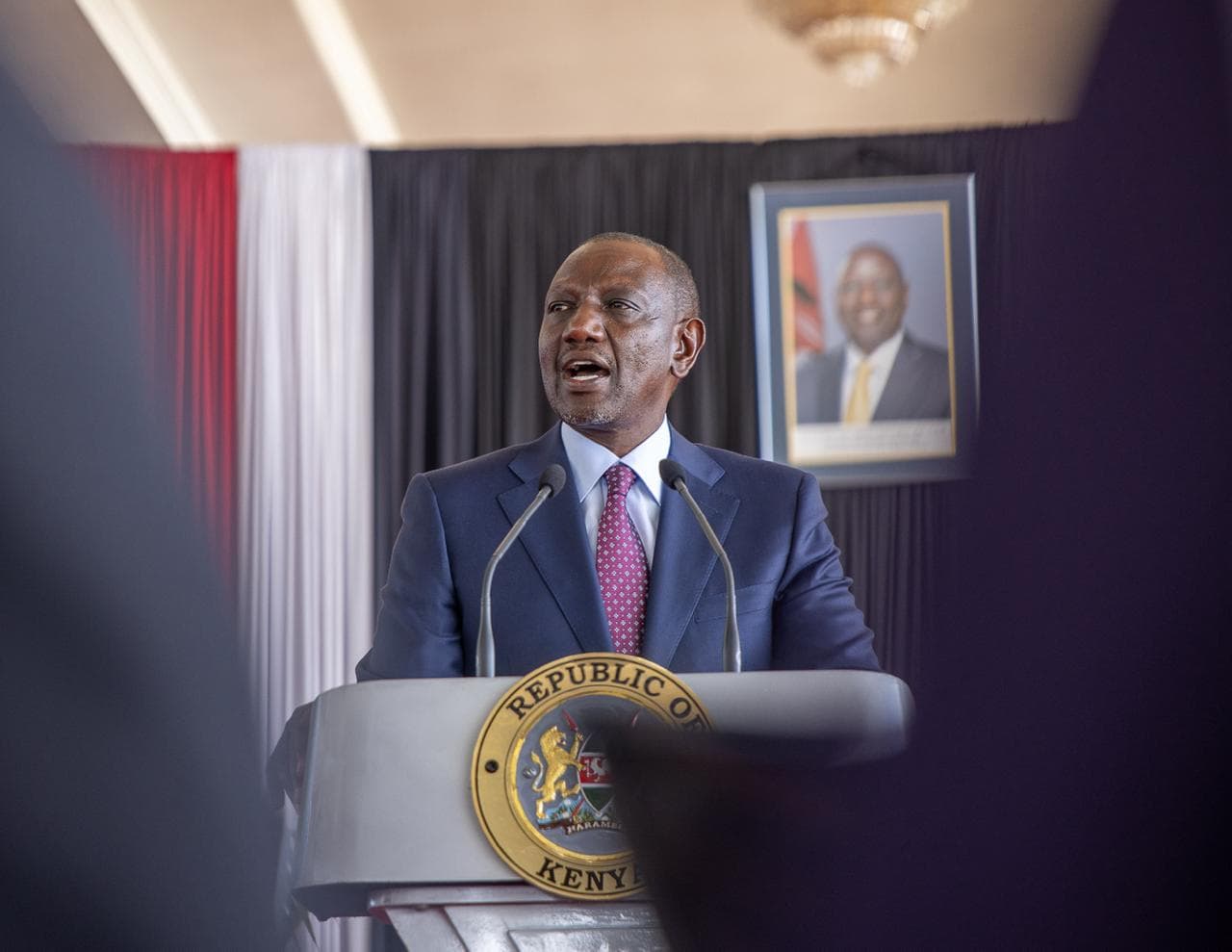
President William Ruto has drawn a definitive line in the sand for non-governmental organizations (NGOs) crying foul over the new United States health funding framework. Speaking at the 12th National and County Governments Coordinating Summit at State House on Wednesday, the President did not mince words: the decision to cut out intermediaries was made in Washington, not Nairobi, and any grievances should be directed to the White House.
The President’s remarks come just days after Kenya signed a landmark $1.6 billion (approx. KES 208 billion) Health Cooperation Framework with the US, a deal that fundamentally rewrites the rules of foreign aid. For decades, billions in donor funds flowed through a web of international NGOs. Now, under the Trump administration’s 'America First' Global Health Strategy, that tap has been turned off, with resources routed directly to the Kenyan government. “It is not our decision; it is theirs,” Ruto asserted. “So if anybody is annoyed, they should take their anger to another place. They should not bring it to us.”
The shift marks a seismic geopolitical realignment. For years, the Kenyan health sector has relied on what critics call the “NGO industrial complex”—a parallel system of donor-funded entities that often operated independently of the Ministry of Health. President Ruto, emboldened by US Secretary of State Marco Rubio’s rationale, argued that the old model was riddled with inefficiencies. “The US government decided, for efficiency and efficacy, that these resources should come directly to government,” Ruto explained, accusing some organizations of “sponsoring stories” to protect their turf.
The numbers presented by the US State Department are stark. Secretary Rubio noted that under the previous model, up to 60% of health funding was consumed by administrative costs and overheads, leaving only a fraction for the patient on the ground. The new Government-to-Government (G2G) deal promises to reverse this, but it leaves thousands of Kenyan professionals employed by these NGOs facing an uncertain future.
While the government celebrates “national health sovereignty,” the average Kenyan is asking a harder question: Can the state be trusted with the cash? The decision to route funds through the Kenya Medical Supplies Authority (KEMSA) has revived traumatic memories of the “Covid Billionaires” scandal, where emergency funds vanished into the pockets of the politically connected. Civil society watchdogs warn that without the oversight previously provided by international NGOs, the risk of embezzlement could skyrocket.
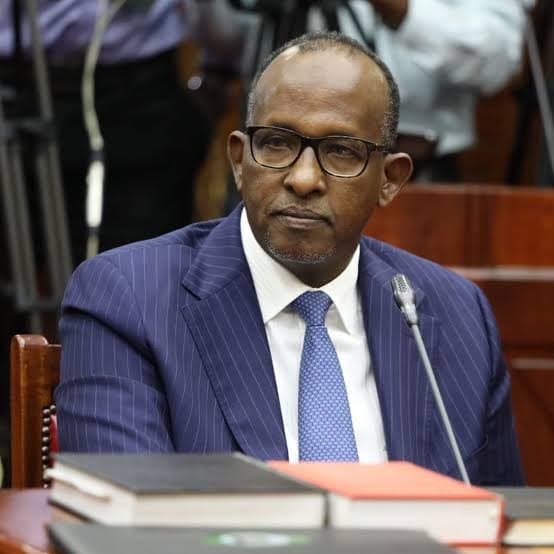
Beyond corruption, the deal has sparked anxiety over medical privacy. The agreement allows for data sharing between Kenyan and US agencies to track disease outbreaks. Despite assurances from Health CS Aden Duale that the Data Protection Act remains supreme, critics fear that sensitive health records of millions of Kenyans could be exposed to foreign surveillance. President Ruto dismissed these fears as alarmist, stating, “The Office of the Attorney General went through the agreement with a toothcomb.”
As the dust settles, the reality for the Kenyan patient remains the ultimate test. The promise is a streamlined, sovereign system where clinics are staffed and pharmacies stocked. The risk is a centralized bureaucracy prone to leakage. For now, the President has made his position clear: the era of the NGO middleman is over, and the burden of delivery now rests squarely on the shoulders of the state.
Keep the conversation in one place—threads here stay linked to the story and in the forums.
Sign in to start a discussion
Start a conversation about this story and keep it linked here.
Other hot threads
E-sports and Gaming Community in Kenya
Active 9 months ago
The Role of Technology in Modern Agriculture (AgriTech)
Active 9 months ago
Popular Recreational Activities Across Counties
Active 9 months ago
Investing in Youth Sports Development Programs
Active 9 months ago
Key figures and persons of interest featured in this article