We're loading the full news article for you. This includes the article content, images, author information, and related articles.
The Strait of Hormuz crisis deepens as the US issues a 48-hour ultimatum. Kenya faces severe economic strain as global oil prices soar.

A narrow, 39-kilometer-wide shipping lane now holds the global economy hostage as an escalating standoff in the Strait of Hormuz pushes the world toward a precarious energy emergency. Iran’s formal declaration that the waterway is off-limits to vessels of what it terms "enemy" nations has effectively throttled one of the planet’s most critical maritime arteries, transforming a regional conflict into an immediate, worldwide crisis.
At stake is the free flow of roughly 21 million barrels of oil per day, representing nearly one-fifth of global consumption. For Nairobi, this translates into acute, near-term inflationary pressure. As global crude prices spike in response to the blockade, Kenya faces a sharp rise in fuel pump prices, threatening to stall the country’s fragile economic recovery. The ripple effects extend from the manufacturing hubs of Industrial Area to the logistics corridors of the Northern Corridor, where the cost of transporting goods is poised to climb significantly, directly impacting household budgets across East Africa.
The situation reached a fever pitch following statements from Ali Mousavi, Iran’s representative to the UN’s International Maritime Organization. Mousavi alleged that the closure of the strait is a direct consequence of US-Israeli aggression, claiming that while diplomacy remains a priority for Tehran, safety can only be guaranteed for non-hostile vessels. This assertion has been met with a hardening stance from Washington. President Donald Trump, facing intense domestic scrutiny as energy markets react violently to the news, has issued a stark 48-hour deadline for the reopening of the strait. The US administration has threatened to "obliterate" Iranian power infrastructure should the waterway remain obstructed.
Military analysts are watching the potential move against Kharg Island with deep concern. The island is the central node for Iran’s oil export infrastructure, handling nearly 90 percent of the nation’s crude exports. The US is reportedly drafting plans to blockade or occupy this facility as a leverage point. Such an operation would mark a profound escalation in the US-Israeli war on Iran, shifting the theatre of conflict from maritime harassment to a direct assault on critical Iranian economic assets. The following factors define the current military and strategic landscape:
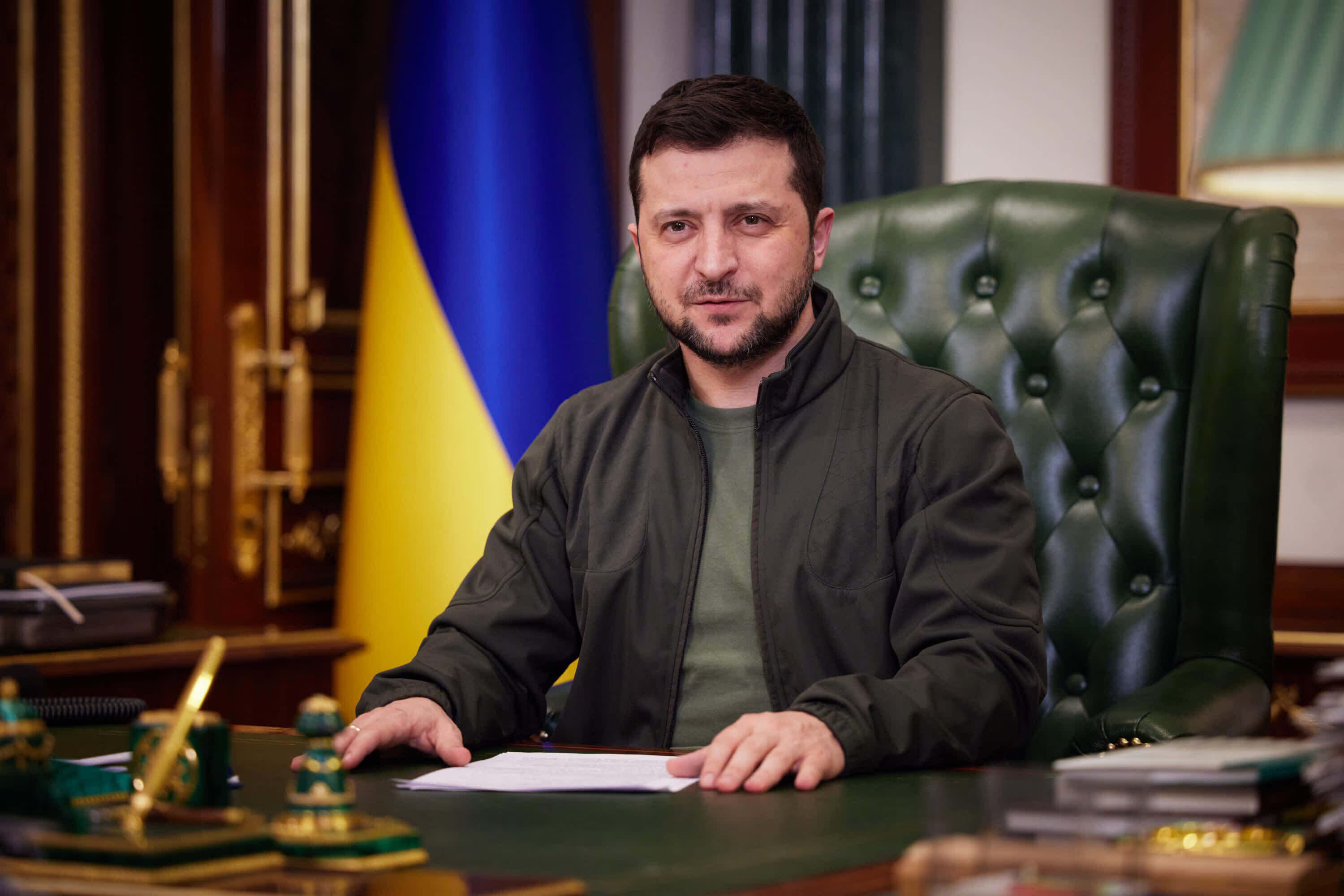
In a geopolitical maneuver that has drawn sharp criticism from European allies, the Trump administration has issued a 30-day waiver allowing countries to purchase Russian oil currently stranded at sea. While ostensibly designed to soothe global energy markets and lower prices, the policy carries heavy baggage. By easing restrictions on Russian energy, the US risks providing a significant financial windfall to the Kremlin, potentially bolstering Russia’s capacity to sustain its ongoing war effort against Ukraine. President Volodymyr Zelenskyy has openly condemned the logic, warning that the move effectively subsidizes Russia’s long-term military ambitions at the expense of global security.
For small and medium-sized enterprises in Kenya, the crisis is not merely a headline but an immediate threat to operations. John Kamau, a logistics manager at a medium-sized transport firm operating between Mombasa and Kampala, describes the mounting anxiety in the sector. "We are already seeing the cost of diesel creeping up at the pump. If the Strait remains closed for even a week, our profit margins will be wiped out. We cannot pass these costs to the consumer indefinitely without stalling regional trade," he notes. The vulnerability of the Kenyan Shilling to external economic shocks exacerbates these concerns, as increased expenditure on oil imports puts downward pressure on the currency, creating a vicious cycle of inflation.
The conflict in the Middle East has exposed the precarious nature of global supply chains that rely on singular, vulnerable transit points. As the 48-hour ultimatum ticks down, world leaders are forced to weigh the risks of military escalation against the catastrophic economic consequences of a prolonged blockade. The international community remains on high alert, with diplomatic efforts largely stalled by the fundamental incompatibility of the demands from Tehran and Washington. Whether this standoff is resolved through back-channel negotiations or triggers a wider regional conflagration will determine the trajectory of the global economy for the remainder of the year.
As the clock continues to run, the fundamental question remains: can the global powers prevent an energy collapse without fueling a wider war? With no immediate indication of a retreat by either side, the world watches the Strait of Hormuz, knowing that the price of failure will be felt in every household from Washington to Nairobi.
Keep the conversation in one place—threads here stay linked to the story and in the forums.
Sign in to start a discussion
Start a conversation about this story and keep it linked here.
Other hot threads
E-sports and Gaming Community in Kenya
Active 10 months ago
Popular Recreational Activities Across Counties
Active 10 months ago
The Role of Technology in Modern Agriculture (AgriTech)
Active 10 months ago
Investing in Youth Sports Development Programs
Active 10 months ago
Key figures and persons of interest featured in this article