We're loading the full news article for you. This includes the article content, images, author information, and related articles.
As British military chiefs warn they could only fight for weeks, the real threat isn't just missiles—it's a digital blackout that could ripple from London to Nairobi.
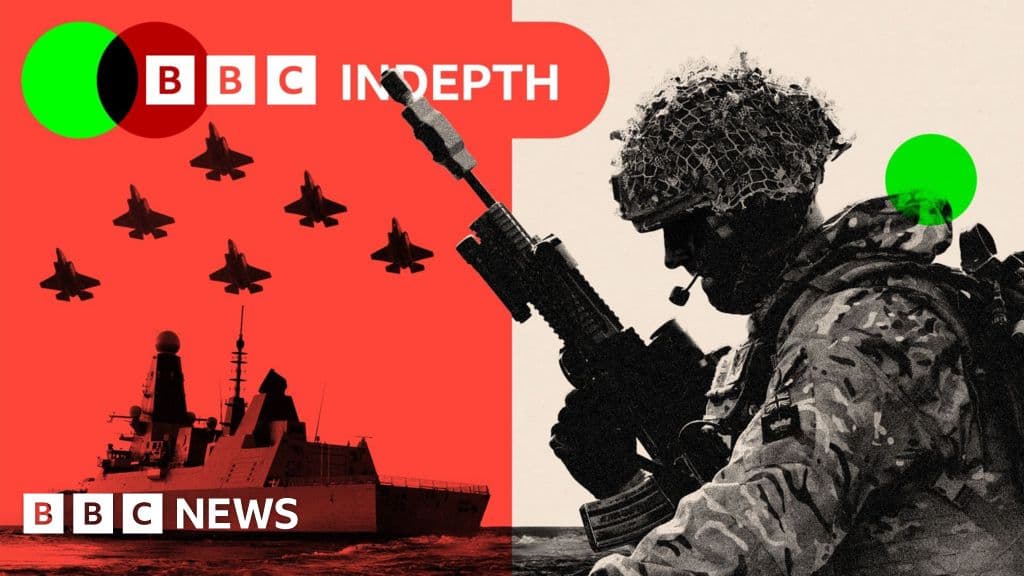
Vladimir Putin has declared Russia "ready right now" for war with Europe, casting a long shadow over the continent as the conflict in Ukraine approaches its fifth grim year. While the Kremlin accuses Western nations of blocking peace efforts, military insiders in London are sounding a frantic alarm: Britain might only sustain a high-intensity fight for a matter of weeks.
For Kenyans watching from afar, this may seem like distant geopolitical theatre. It is not. The danger facing the UK isn't just a physical invasion, but a "hybrid war" targeting banking systems and internet infrastructure—a disruption that would send immediate, paralyzing shockwaves through Nairobi’s import-dependent economy and digital financial networks.
The assessment from British defense circles is stark. Senior military chiefs have warned that without the full weight of NATO allies, the UK’s capacity to wage a sustained war is critically limited. The logistical reality is a military machine that could run out of steam—and ammunition—rapidly.
While a solo war between the UK and Russia remains highly unlikely, the vulnerability of a key NATO member changes the global risk calculus. Putin’s rhetoric on 2 December was unambiguous: "We are not planning to go to war with Europe. But if Europe wants to, and starts, we are ready right now."
This standoff matters because stability in Europe dictates the price of fuel at pumps in Mombasa and the cost of wheat in Eldoret. A protracted conflict involving the UK would almost certainly spike global shipping insurance costs, inflating the price of every container docking at Kilindini Harbour.
The modern battlefield is no longer defined solely by tanks and trenches. It is digital, invisible, and immediate. Experts describe a "hybrid warfare" scenario that begins not with an explosion, but with silence.
As one analyst noted regarding the UK scenario: "That signal interruption could be followed by an inability to make bank payments for essentials like food and fuel." If the City of London—the world's financial beating heart—is hit by a massive state-sponsored cyberattack, the liquidity crunch would be felt by Kenyan banks within hours.
Kenya is one of the most digitally connected economies in Africa. Our reliance on undersea fiber optic cables and global banking swift codes makes us vulnerable to the same hybrid tactics threatening Europe. A Russian attack on Atlantic cables or European satellite systems doesn't respect borders; it simply severs connections.
Furthermore, the humanitarian toll in Ukraine serves as a grim baseline. The destruction of energy grids there has left millions in the cold. If such tactics expand to Western Europe, the competition for global energy resources (LNG and oil) will intensify, pricing developing nations out of the market.
The warning from London is clear: the next world war might not start with a bang, but with a glitch. As nations rearm and rhetoric heats up, the resilience of our own digital and economic infrastructure is no longer just a tech issue—it is a matter of national security.
Keep the conversation in one place—threads here stay linked to the story and in the forums.
Sign in to start a discussion
Start a conversation about this story and keep it linked here.
Other hot threads
E-sports and Gaming Community in Kenya
Active 9 months ago
The Role of Technology in Modern Agriculture (AgriTech)
Active 9 months ago
Popular Recreational Activities Across Counties
Active 9 months ago
Investing in Youth Sports Development Programs
Active 9 months ago



