We're loading the full news article for you. This includes the article content, images, author information, and related articles.
Farmers in Makueni face financial ruin as roaming elephants destroy acres of crops, sparking outrage over delayed KWS intervention and compensation.
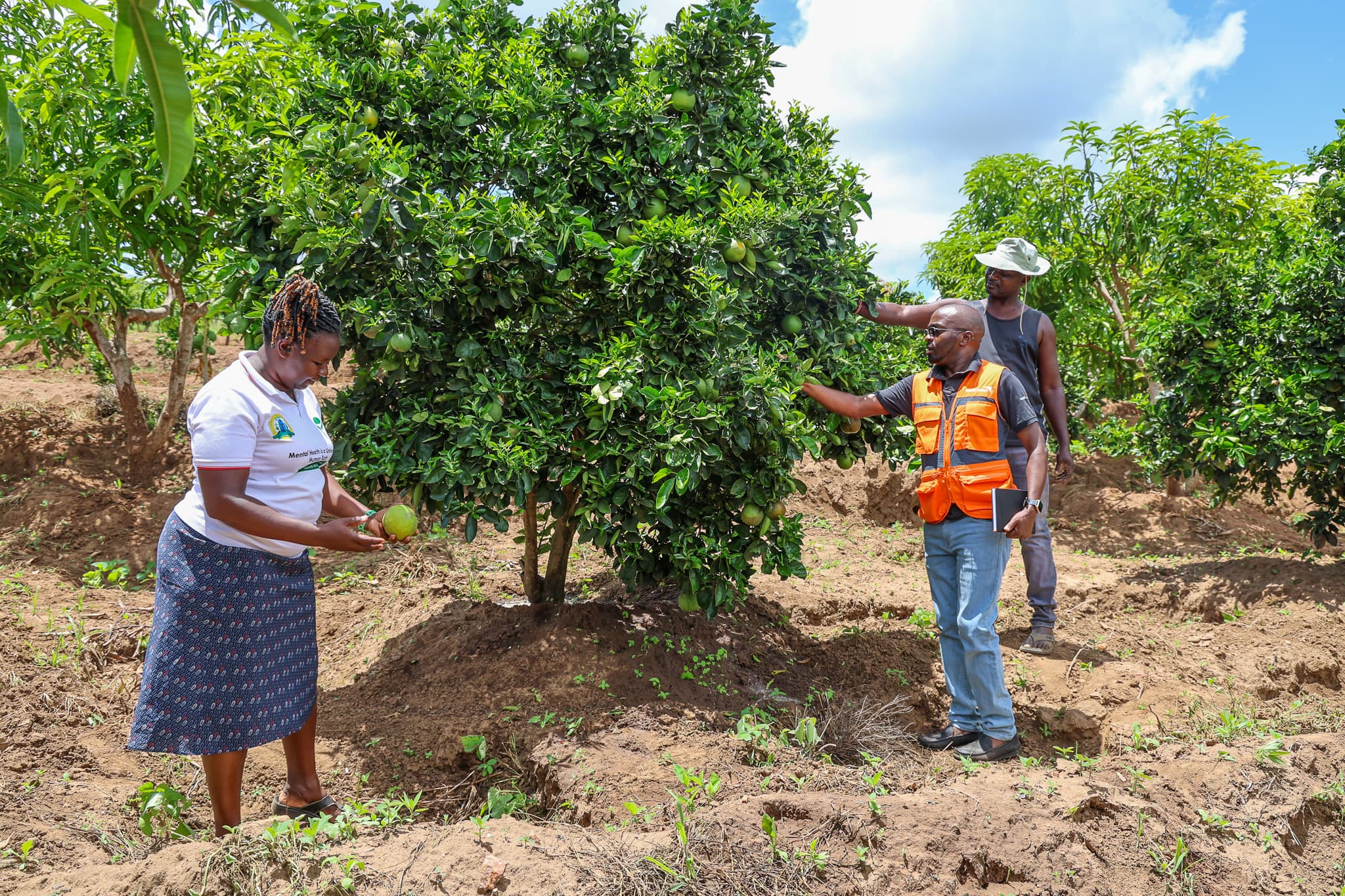
The silence of the night in Makueni County is no longer peaceful; it is filled with the terrifying sound of snapping trees and trumpeting giants. For farmers in Kibwezi and Mtito Andei, the joy of a potential bumper harvest has turned into despair as herds of elephants invade their villages, leaving a trail of destruction in their wake.
The human-wildlife conflict in this semi-arid region has reached a boiling point. Emboldened by drought in the Tsavo National Park, elephants are breaking through electric fences and raiding farms, consuming acres of maize, beans, and pigeon peas—the very lifelines of the local economy. For many families, an entire season’s labor has been wiped out in a single night.
Residents describe a state of siege. "We spend our nights in the cold, beating drums and lighting fires, but these animals are no longer afraid," says a farmer from Ngwata location. The economic toll is staggering. With the cost of fertilizer hitting KES 3,500 per bag, the loss of a five-acre maize field represents a financial catastrophe that pushes households into immediate poverty.
The Kenya Wildlife Service (KWS) is under fire. While they have dispatched rangers to drive the jumbos back, the response is often described as "too little, too late." The compensation process, notoriously bureaucratic and slow, offers little comfort to a mother who cannot pay school fees today because her crop was eaten yesterday.
This is not just an animal control issue; it is a humanitarian crisis. Children are afraid to walk to school, and women fear fetching water at dawn. The escalating conflict threatens to turn the community against conservation efforts, a dangerous shift in a county that relies heavily on tourism.
As the elephants retreat to the park at sunrise, they leave behind more than just flattened crops; they leave a community feeling abandoned by its government and besieged by nature. Without a permanent solution, the farmers of Makueni are fighting a war they cannot win.
Keep the conversation in one place—threads here stay linked to the story and in the forums.
Sign in to start a discussion
Start a conversation about this story and keep it linked here.
Other hot threads
E-sports and Gaming Community in Kenya
Active 10 months ago
The Role of Technology in Modern Agriculture (AgriTech)
Active 10 months ago
Popular Recreational Activities Across Counties
Active 10 months ago
Investing in Youth Sports Development Programs
Active 10 months ago



