We're loading the full news article for you. This includes the article content, images, author information, and related articles.
Accra revokes the controversial 'L.I. 2462' to save its dying rivers, setting a bold precedent as Kenya grapples with its own mercury crisis in Migori and Kakamega.
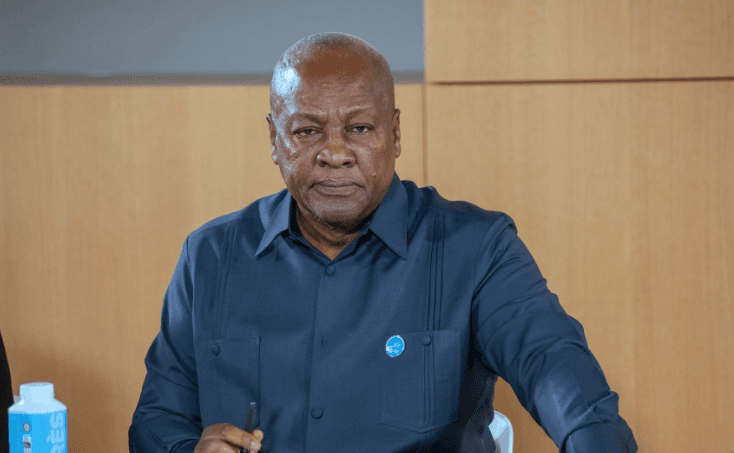
In a decisive move that reverberates from the flagstaff house in Accra to the gold pits of Migori, Ghana has officially banned all mining activities in its forest reserves. The directive, effective this week, revokes the controversial Environmental Protection (Mining in Forest Reserves) Regulations of 2022—known notoriously as L.I. 2462—which had opened nearly 90% of the country’s protected forests to excavation.
For years, the West African nation has battled the scourge of galamsey (illegal small-scale mining), which has turned pristine rivers into turbid flows of toxic sludge. The revocation is not just a policy shift; it is a survival strategy. Acting Environment Minister Emmanuel Armah-Kofi Buah, addressing a weary nation, framed the decision as a choice between immediate wealth and long-term existence. “Healthy forests bring rainfall, protect our farms, and give life to our communities,” Buah emphasized. “We are choosing water over gold.”
The now-defunct law was widely criticized by civil society groups like A Rocha Ghana for granting the Presidency unchecked discretion to approve mining in ecologically sensitive zones. Under its reign, excavators tore through the kakum and Atewa forests, threatening the headwaters of the Pra and Ankobra rivers—lifelines for millions. The Ghana Water Company Limited had warned that without a halt to the pollution, the country would be importing drinking water by 2030.
The ban restores the legal firewall around these critical ecosystems. It is a victory for the coalition of labor unions, clergy, and environmentalists who paralyzed the country with protests earlier this year, demanding an end to the “state-sponsored ecocide.”
While Ghana hits the brakes, Kenya is pressing the accelerator—often with disastrous consequences. The parallels are stark and unsettling for any Kenyan watching the sector. As Accra cleans up, Nairobi is still grappling with the balance between the allure of mineral wealth and the cost of environmental degradation.
In Kakamega and Vihiga, the discovery of high-grade gold deposits—estimated at 1.27 million ounces by Shanta Gold—has sparked a frenzy. This find, valued at approximately $5.3 billion (approx. KES 680 billion), promises economic salvation but delivers a heavy ecological bill. Much like Ghana’s galamsey crisis, Kenya’s artisanal sector is plagued by unregulated chemical use.
The Ghanaian pivot offers a critical lesson for Kenya’s Mining Ministry. The allure of the Shanta Gold discovery in the Lirhanda Corridor is undeniable, yet the environmental safeguards remain fragile. While Ghana has recognized that legislative loopholes like L.I. 2462 are fatal, Kenya’s regulatory framework is still playing catch-up with the reality on the ground.
Critics argue that without strict enforcement, Kenya’s “Gold Rush” will mirror Ghana’s past mistakes—poisoning the very soil that feeds the community. The mercury seeping into the Migori soil today is the crop failure of tomorrow. As Ghana begins the long, expensive process of reclaiming its forests, Kenya stands at a crossroads: learn from Accra’s painful correction, or chase the bullion until the rivers run dry.
“We cannot eat gold,” remarked Daryl Bosu of A Rocha Ghana, celebrating the ban. It is a simple truth that rings as loudly in the forests of Kakamega as it does in the reserves of Atewa.
Keep the conversation in one place—threads here stay linked to the story and in the forums.
Sign in to start a discussion
Start a conversation about this story and keep it linked here.
Other hot threads
E-sports and Gaming Community in Kenya
Active 10 months ago
The Role of Technology in Modern Agriculture (AgriTech)
Active 10 months ago
Popular Recreational Activities Across Counties
Active 10 months ago
Investing in Youth Sports Development Programs
Active 10 months ago



