We're loading the full news article for you. This includes the article content, images, author information, and related articles.
Bundestag passes 'New Military Service' to plug troop gaps; recruits offered KES 392,000 monthly starting salary as Europe scrambles for soldiers.
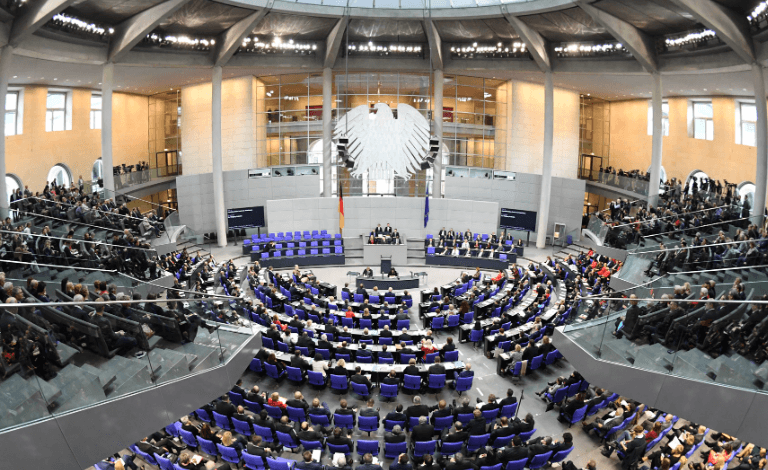
Berlin has officially ended its post-Cold War complacency. In a historic shift that ripples from the Bundestag to the geopolitical strategists in Nairobi, German lawmakers voted on Friday to overhaul their military recruitment, effectively ending the era of a purely volunteer army.
The new law, championed by Defense Minister Boris Pistorius, introduces a mandatory "readiness check" for all 18-year-olds. While it stops short of the full conscription scrapped in 2011, it signals a Europe that is rapidly re-arming—and desperate for manpower.
Under the Neuer Wehrdienst (New Military Service) model, every German turning 18 will receive a digital questionnaire. For young men, replying is mandatory; for women, it remains voluntary. The goal is to identify motivated recruits to fill the thinning ranks of the Bundeswehr.
Those selected will undergo a medical exam and, if they sign up, serve between 6 and 23 months. The incentive? A starting gross salary of €2,600 (approx. KES 392,000) per month. To put that in perspective for the Kenyan reader, a fresh recruit in the Kenya Defence Forces (KDF) earns a fraction of that figure, highlighting the massive economic disparity driving the global scramble for talent.
Why is Europe's economic engine resorting to cold-calling teenagers? The answer lies in a dual crisis: a shrinking young population and a growing threat from Russia. "We need to be war-ready by 2029," Pistorius has warned repeatedly, a sentiment that would have been political suicide in Germany just five years ago.
This personnel shortage is the same force driving Germany's recent labor migration deals with Kenya. The pact signed in September 2024, which allows skilled Kenyans to work in Germany, is the flip side of this military coin. Germany simply does not have enough young people to run its factories, hospitals, and its tanks.
For Kenyans, this development offers a stark lesson in national priorities. While thousands of Kenyan youths compete fiercely for limited spots in the National Youth Service (NYS) or KDF—often seeing it as a ticket out of unemployment—Germany has to beg and pay a premium to get its youth in uniform.
"The service should initially be voluntary, but it's also clear: if that isn't enough, we won't be able to avoid partial conscription," Pistorius told the Bundestag. "This country, this democracy, deserves it."
As the law heads to the Bundesrat for final rubber-stamping later this month, the message to the world is clear: The peace dividend is over. Germany is paying up, and the price of security is rising.
Keep the conversation in one place—threads here stay linked to the story and in the forums.
Sign in to start a discussion
Start a conversation about this story and keep it linked here.
Other hot threads
E-sports and Gaming Community in Kenya
Active 9 months ago
The Role of Technology in Modern Agriculture (AgriTech)
Active 9 months ago
Popular Recreational Activities Across Counties
Active 9 months ago
Investing in Youth Sports Development Programs
Active 9 months ago