We're loading the full news article for you. This includes the article content, images, author information, and related articles.
A BBC investigation suggests authorities deployed 'camite,' a toxic agent abandoned after the First World War, on citizens demanding closer European Union ties.
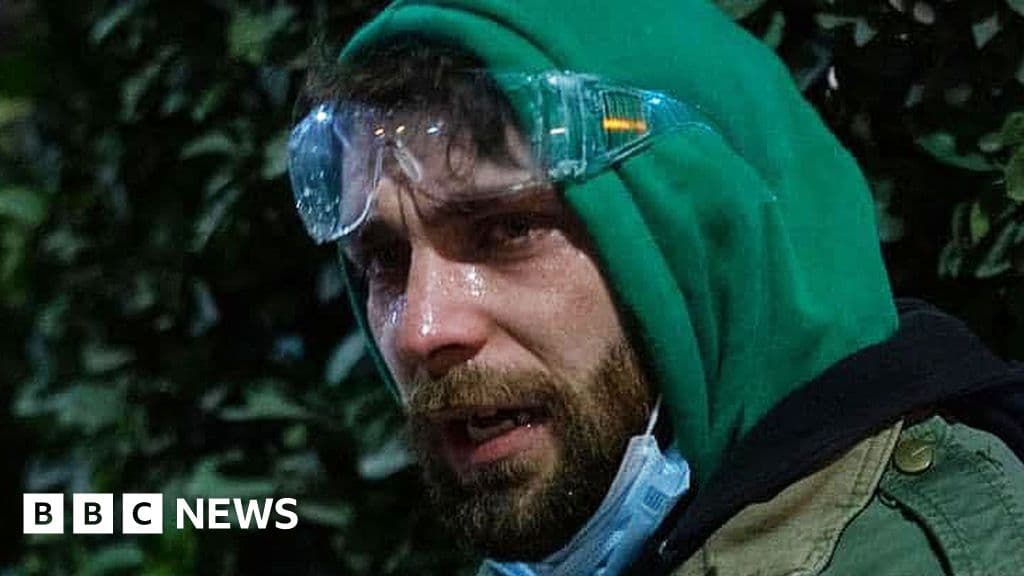
Georgian authorities allegedly deployed a century-old chemical weapon against their own citizens during pro-EU demonstrations last year, a bombshell BBC investigation has revealed. The chemical, known as 'camite,' was a lachrymatory agent first used by France in World War One and was thought to have been phased out in the 1930s.
The revelations add a disturbing layer to the ongoing political crisis in Georgia, which began on November 28, 2024, after the ruling party announced it was suspending EU accession talks until at least 2028. This move, seen by many as a pivot towards Russia, ignited sustained protests in the capital, Tbilisi, which were met with a forceful police response including water cannons and standard tear gas.
Protesters reported symptoms far exceeding those of typical riot-control agents. Victims described an intense burning sensation on their skin that could not be easily washed off, coupled with severe, lasting health problems. A study of nearly 350 protesters found many suffered from prolonged issues.
Reported symptoms included:
Evidence gathered by the BBC, including testimony from chemical weapons experts and a former riot police officer, points to camite being mixed with water and sprayed from cannons. The Georgian authorities have dismissed the findings as "absurd," insisting police acted legally against "brutal criminals."
While Georgia may seem distant, the alleged use of a toxic, long-banned chemical agent on unarmed civilians raises universal questions about the sanctity of protest and the limits of state power. Here in Kenya, where the right to assemble is enshrined in the Constitution, the events in Tbilisi serve as a chilling reminder of how quickly state responses to dissent can escalate.
The use of such agents is governed by international law. The Chemical Weapons Convention (CWC) prohibits the use of riot control agents as a method of warfare. While it allows for their use in domestic law enforcement, the expectation is that such agents have only temporary effects. The UN Special Rapporteur on Torture, Alice Edwards, called the alleged use of an experimental agent like camite “exceedingly dangerous.”
The situation in Georgia remains tense, with the government's actions drawing condemnation from international rights groups and deepening the country's political divide. For Kenyans and citizens worldwide, it underscores the constant vigilance required to protect democratic freedoms.
Keep the conversation in one place—threads here stay linked to the story and in the forums.
Sign in to start a discussion
Start a conversation about this story and keep it linked here.
Other hot threads
E-sports and Gaming Community in Kenya
Active 9 months ago
The Role of Technology in Modern Agriculture (AgriTech)
Active 9 months ago
Popular Recreational Activities Across Counties
Active 9 months ago
Investing in Youth Sports Development Programs
Active 9 months ago



