We're loading the full news article for you. This includes the article content, images, author information, and related articles.
For thousands of Kenyan women, a Sickle Cell diagnosis for their child doesn't just bring medical bills—it brings an end to their marriage. We explore the stigma tearing families apart.
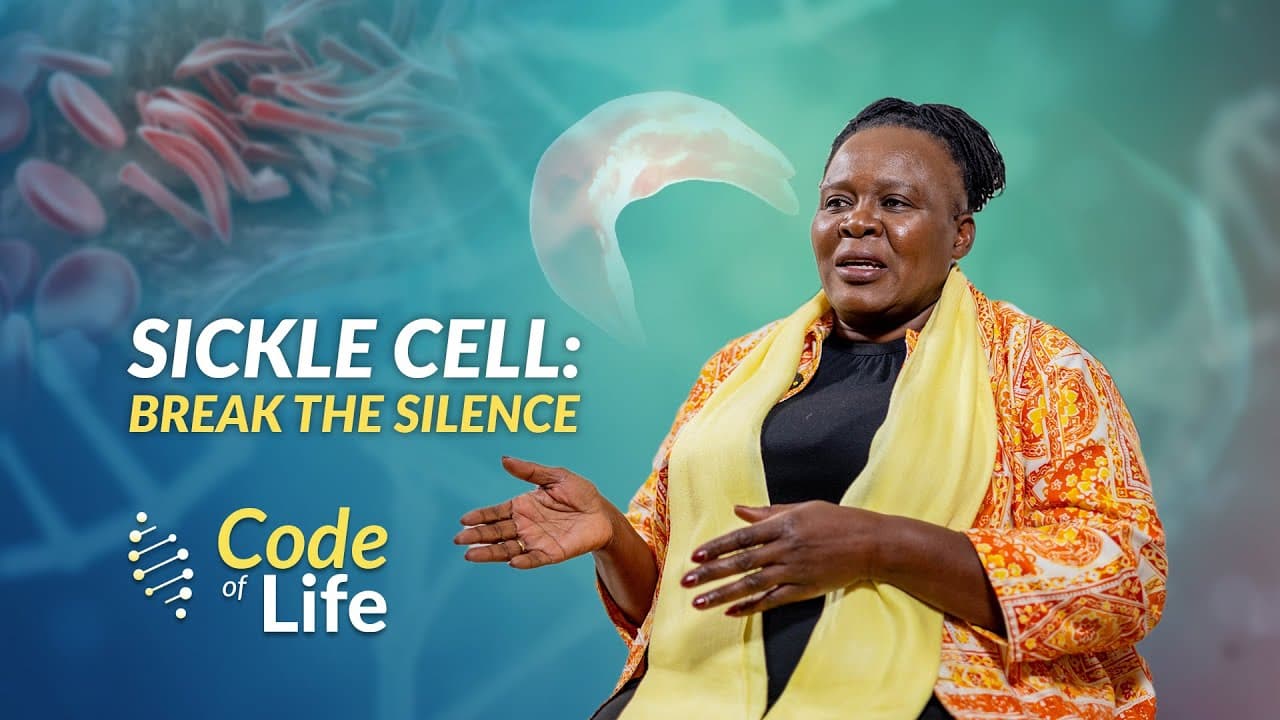
Mercy* didn’t leave her marriage because she stopped loving her husband. She left because her genes were on trial.
In May 2025, the young mother packed her bags, not due to infidelity or financial ruin, but because of a diagnosis that should have united her family: Sickle Cell Disease (SCD). When her son’s test results came back positive for the hereditary blood disorder, her husband didn’t see a medical condition. He saw a betrayal.
“He says that I am the one who brought the disease,” Mercy recounted in a heart-wrenching interview with the Daily Nation. Her husband, refusing to accept the genetic reality that SCD requires traits from both parents, branded it a “killer disease” brought solely by her. He refused screening. He withheld support. And eventually, he drove her out.
Mercy’s story is not an anomaly. It is a symptom of a silent, cultural epidemic running parallel to the medical one. Across Kenya, the biological lottery of Sickle Cell is being weaponized against women, shattering marriages and leaving mothers to battle a debilitating disease alone.
The tragedy of Mercy’s divorce lies in a fundamental misunderstanding of biology. Sickle Cell Disease is an autosomal recessive disorder. For a child to be born with it, they must inherit the sickle cell gene from both the mother and the father.
If only one parent carries the trait, the child is a carrier but typically healthy. If both parents are carriers, there is a 25% chance with each pregnancy that the child will have the full-blown disease. Yet, in many Kenyan households, this scientific fact is drowned out by cultural patriarchy. The woman is the vessel; therefore, the woman is the cause.
“We see this constantly,” notes Lily Webala, founder of the community organization Zuwi Afya. “Fathers deny their status, claiming no one in their lineage has ever been ‘cursed,’ leaving the mother to bear the stigma of a ‘walking grave.’”
While the emotional toll is incalculable, the statistics paint a grim picture of the scale of this crisis:
Kisumu, where Mercy’s story echoes the loudest, is a high-burden zone, recording approximately 3,000 SCD births every year. Yet, despite these numbers, the violence—emotional and physical—that follows a diagnosis remains a taboo subject.
For the single mothers left behind, the financial reality is crushing. Managing SCD requires daily medication, regular check-ups, and emergency interventions during painful “crises.”
Standard treatment often involves Hydroxyurea, a drug that can cost a family upwards of KES 3,000 per month—a fortune for a household living on the margins. More advanced cures, like Bone Marrow Transplants, are available in Kenya but come with a price tag of approximately $35,000 (approx. KES 4.5 million), placing them firmly out of reach for the majority.
“He threatened me when I asked for help to buy our son’s medication,” Mercy revealed. This economic violence forces many mothers to choose between food and medicine, exacerbating the child’s condition and deepening the cycle of poverty.
The solution, experts argue, lies in pre-marital genetic counseling—not as a barrier to love, but as a tool for informed preparation. Just as HIV testing became a norm before marriage, knowing one’s Sickle Cell genotype (AA, AS, or SS) is critical.
Until that awareness permeates the social fabric, women like Mercy will continue to pay the price for a roll of the genetic dice. As health organizations ramp up campaigns this month, the message is clear: The disease is in the blood, but the stigma is in the mind.
“We need to stop looking for someone to blame,” says Dr. Patrick Amoth, acting Director General for Health, in a past address on NCDs. “We need to start looking for ways to care.”
Keep the conversation in one place—threads here stay linked to the story and in the forums.
Sign in to start a discussion
Start a conversation about this story and keep it linked here.
Other hot threads
E-sports and Gaming Community in Kenya
Active 9 months ago
The Role of Technology in Modern Agriculture (AgriTech)
Active 9 months ago
Popular Recreational Activities Across Counties
Active 9 months ago
Investing in Youth Sports Development Programs
Active 9 months ago