We're loading the full news article for you. This includes the article content, images, author information, and related articles.
The Tende family shares their harrowing 30-year battle with cancer spanning three generations, exposing the deep financial and emotional scars of the disease and the systemic failures of Kenya’s healthcare support.
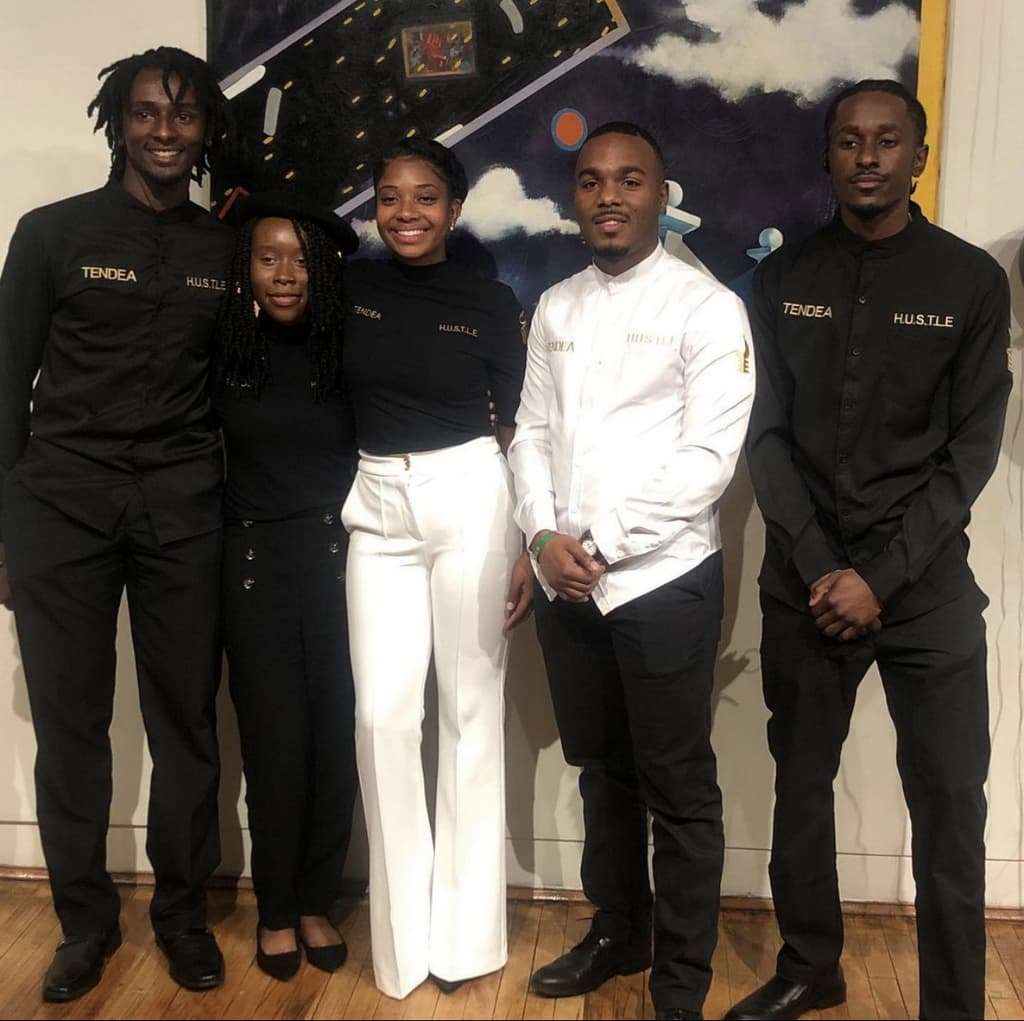
In the sterile corridors of Aga Khan University Hospital, a story of immense resilience and heartbreaking loss has unfolded. The Tende family stands as a living testament to the ravages of cancer, having battled six cases across three generations in a relentless thirty-year siege.
Standing before journalists on World Cancer Day, 29-year-old Harold Tende and his father, Brian Mwakero, are not just survivors; they are veterans of a war that has claimed their kin and drained their coffers. Their medical odyssey exposes the raw nerve of Kenya's healthcare crisis—where the physical toll of the disease is compounded by a financial toxicity that threatens to bankrupt even the most resilient families. "It is not just a disease," Mwakero says, his voice heavy with the weight of decades. "It is a thief that steals your past, your present, and your future."
The Tende family's ordeal is a microcosm of a national emergency. For thirty years, they have navigated a labyrinth of misdiagnoses, expensive treatments, and the emotional whiplash of remission and recurrence. The six cases in their lineage suggest a genetic predisposition that has turned their family tree into a medical case study. Yet, their struggle is not unique; it mirrors the plight of thousands of Kenyan families for whom a cancer diagnosis is synonymous with financial ruin.
The timing of their public appeal is deliberate. It comes amidst a chaotic rollout of the Social Health Authority (SHA) benefits, where promised oncology funds remain inextricably stuck on paper. The gap between government policy and the reality on the ground is where families like the Tendes are falling through. While officials cite increased benefit packages, patients are still forced to pay out-of-pocket for life-saving chemotherapy and radiation.
As the flashbulbs fade, the reality for Harold and Brian remains unchanged. They are fighting for more than just their own health; they are fighting for a system that recognizes the humanity of its patients. Their story is a stark reminder that behind every statistic is a family dinner table with empty chairs, and a bank account emptied by the desperate desire to keep a loved one alive.
"We are united by pain, but we must be united by action," Harold asserts. Until the gap between policy promises and patient reality is bridged, families like the Tendes will continue to fight their wars alone, armed only with hope and dwindling resources.
Keep the conversation in one place—threads here stay linked to the story and in the forums.
Sign in to start a discussion
Start a conversation about this story and keep it linked here.
Other hot threads
E-sports and Gaming Community in Kenya
Active 9 months ago
The Role of Technology in Modern Agriculture (AgriTech)
Active 9 months ago
Popular Recreational Activities Across Counties
Active 9 months ago
Investing in Youth Sports Development Programs
Active 9 months ago