We're loading the full news article for you. This includes the article content, images, author information, and related articles.
The FLANA 2025 report reveals that despite high enrolment, Kenya’s education system is failing to deliver basic literacy and numeracy, threatening the country’s workforce quality.
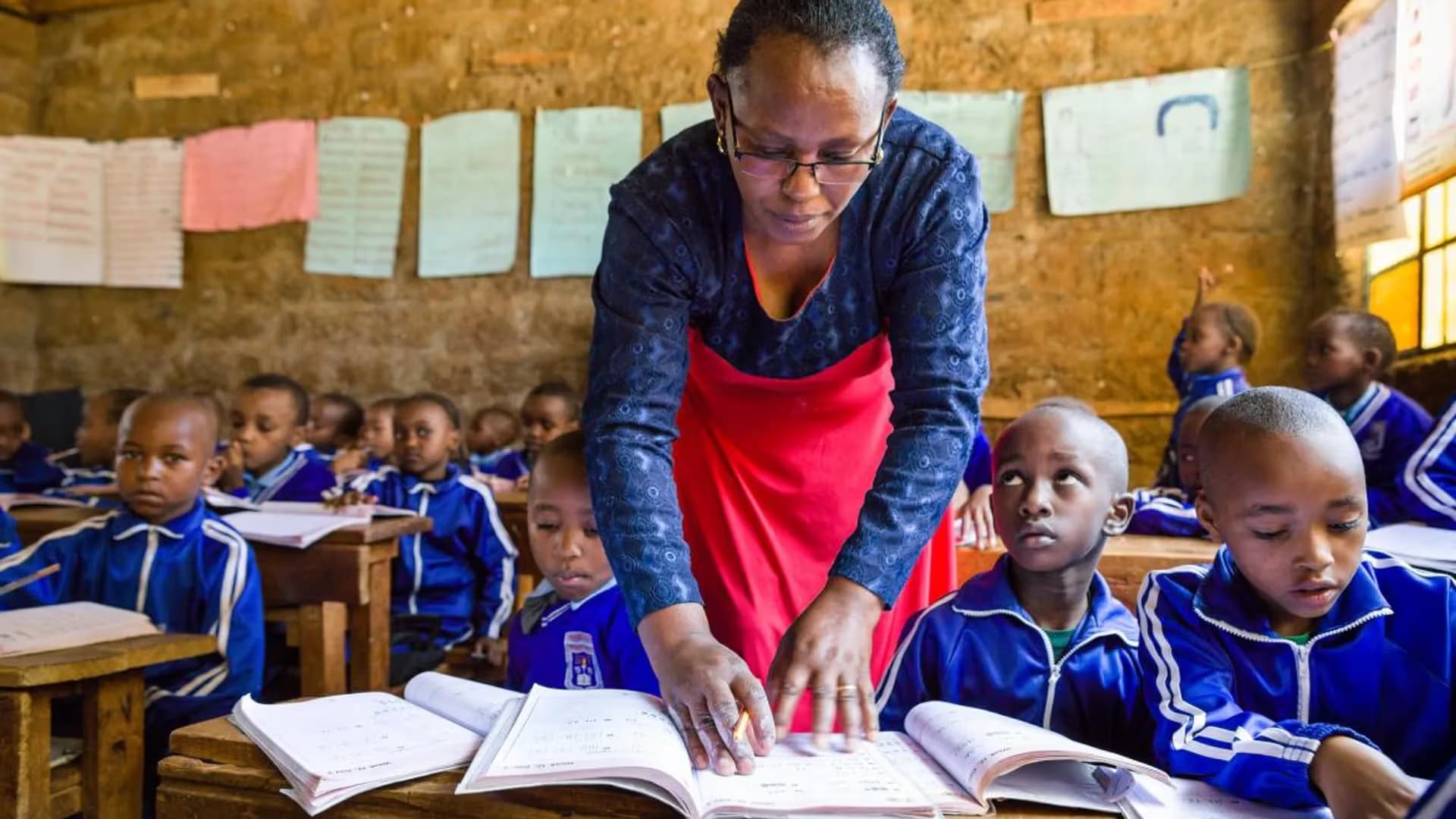
Behind the gleaming statistics of soaring school enrolment lies a darker reality: a generation of Kenyan children who are in class but not learning. The latest Foundational Literacy and Numeracy Assessment (FLANA) 2025 report has ripped the veil off the education sector, revealing deep fault lines where quantity has cannibalised quality, leaving millions of learners ill-equipped for the future.
The numbers are a damning indictment of the system. While 94.2% of children are enrolled, the learning outcomes are in freefall. Three out of ten Grade 6 learners cannot solve a Grade 3 mathematics problem. This is not just a gap; it is a chasm. "These are not marginal gaps, they are foundational failures," warns Emmanuel Manyasa of Usawa Agenda. The rush to fill classrooms has left the actual business of education—imparting skills—in the dust.
The report exposes a system that reinforces privilege rather than leveling the playing field. The learning crisis is most acute in the Arid and Semi-Arid Lands (ASALs), where all ten counties with enrolment below the national average are located. If you are poor, you are five times more likely to have never stepped inside a classroom. This geographic and economic apartheid is creating a two-speed Kenya, where the elite access world-class education while the majority are warehoused in under-resourced schools.
The transition to the Competency-Based Curriculum (CBC) faces an existential threat from these foundational weaknesses. You cannot build a skyscraper on quicksand. With nearly half of Grade 4 learners unable to read and understand a simple story, the advanced concepts of the new curriculum will fall on deaf ears. The skills pipeline, critical for Kenya’s economic vision, is being choked at the source.
This report must serve as a clarion call to the Ministry of Education. The obsession with 100% transition is meaningless if it produces graduates who cannot read or count. The focus must shift from headcount to brain count. Unless there is a radical intervention to fix infrastructure, train teachers, and bridge the equity gap, Kenya risks raising a lost generation whose certificates are worth less than the paper they are printed on.
Keep the conversation in one place—threads here stay linked to the story and in the forums.
Sign in to start a discussion
Start a conversation about this story and keep it linked here.
Other hot threads
E-sports and Gaming Community in Kenya
Active 10 months ago
The Role of Technology in Modern Agriculture (AgriTech)
Active 10 months ago
Popular Recreational Activities Across Counties
Active 10 months ago
Investing in Youth Sports Development Programs
Active 10 months ago