We're loading the full news article for you. This includes the article content, images, author information, and related articles.
As the White House renews hostile rhetoric, the heartbeat of Somali-American life in the Twin Cities faces a fresh wave of uncertainty—reverberating from Minneapolis to Eastleigh.
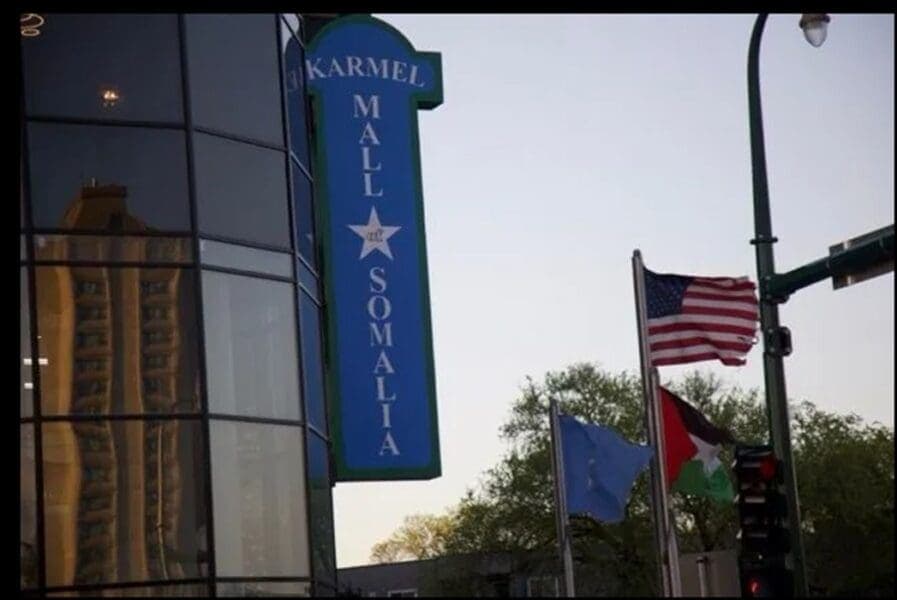
The chill sweeping through Minneapolis this week isn’t just from the winter winds; it is the cold shock of rhetoric from the White House targeting the heart of America’s largest Somali diaspora. For the tens of thousands of Somalis who call Minnesota home, the political climate shifted violently on Tuesday.
President Donald Trump, in a move that has stunned civil rights advocates and community leaders, explicitly referred to Somali immigrants as “garbage” and reiterated a desire to send them “back to where they came from.” The comments, doubled down upon on Wednesday, have cast a long shadow over Cedar-Riverside—the vibrant neighborhood affectionately known as “Little Mogadishu.”
For Kenyan readers, the stakes are intimate. The Minnesota diaspora is not a distant concept; it is a vital economic lifeline. It represents cousins, siblings, and business partners whose remittances fuel development from Nairobi to Garissa. When the diaspora sneezes, the Horn of Africa catches a cold.
Minnesota is not merely a place of residence for the Somali community; it is a cultural fortress. Since the early 1990s, when refugees fled the collapse of the Siad Barre regime and the ensuing civil war, the state has evolved into the central hub of Somali life in the Western Hemisphere.
Estimates suggest between 80,000 and over 100,000 residents of Somali descent now live in the state. They have transformed the economic landscape, turning neglected neighborhoods into bustling corridors of halal markets, money transfer operators (hawalas), and mosques.
Several factors cemented this relationship:
The President’s remarks—claiming Somali immigrants have “destroyed our country and all they do is complain”—stand in stark contrast to the economic data. In the Twin Cities, Somali entrepreneurs are credited with revitalizing urban commerce.
Community leaders and Minnesota officials were quick to push back. They argue that the narrative of the "complaining immigrant" ignores the reality of a tax-paying, job-creating demographic that has become woven into the fabric of the state.
“These remarks are not just divisive; they are dangerous,” noted one civil rights organizer in Minneapolis. “In a state where immigrant labor is essential to healthcare and manufacturing, calling these workers ‘garbage’ is an attack on Minnesota’s economy itself.”
While the political theater plays out in Washington, the anxiety is palpable on the ground. For the Somali-American community, such language from the highest office often correlates with a rise in hate crimes and systemic discrimination.
Yet, the resilience that carried this community across oceans remains evident. As the debate over immigration heats up once more, the residents of Little Mogadishu are doing what they have always done: organizing, working, and ensuring their presence cannot be dismissed.
Keep the conversation in one place—threads here stay linked to the story and in the forums.
Sign in to start a discussion
Start a conversation about this story and keep it linked here.
Other hot threads
E-sports and Gaming Community in Kenya
Active 9 months ago
The Role of Technology in Modern Agriculture (AgriTech)
Active 9 months ago
Popular Recreational Activities Across Counties
Active 9 months ago
Investing in Youth Sports Development Programs
Active 9 months ago