We're loading the full news article for you. This includes the article content, images, author information, and related articles.
After years of controversy and near collapse, the ambitious irrigation scheme is harvesting its first crops under a new private-led model. But deep-rooted challenges remain.
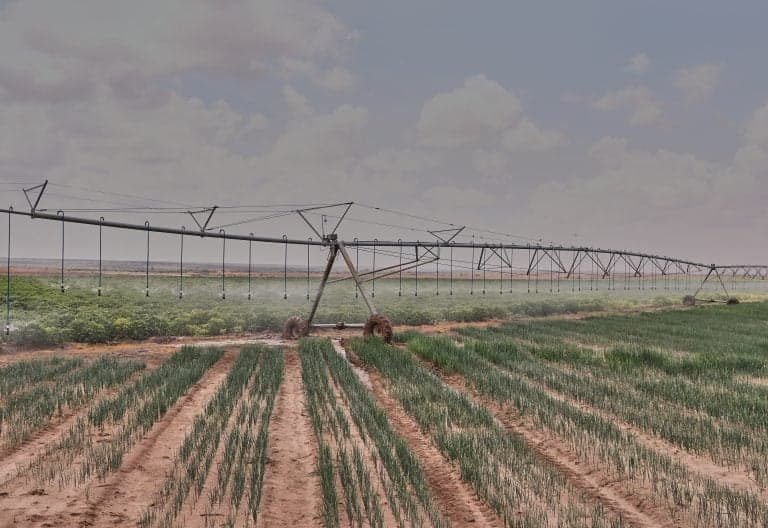
In the sun-scorched plains bordering Kilifi and Tana River counties, a project once dismissed as a national failure is showing surprising signs of life. The Galana Kulalu Irrigation Scheme, after swallowing billions and delivering little more than dashed hopes, has begun its first major harvest under a revamped public-private partnership (PPP), breathing new life into Kenya's quest for food security.
This harvest is the critical first test for a KES 12.5 billion (approx. $96.6 million) private investment aimed at transforming this arid land into a reliable food basket. For a nation that spends up to KES 500 billion annually on food imports, the success or failure of this venture directly impacts the cost of ugali on the family table and the stability of the national economy.
Under the management of private investor Selu Limited, the initial 1,500 acres are yielding between 28 and 30 bags of seed maize per acre. This figure is more than triple Kenya's national average, which hovered around 7.5 to 9.2 bags per acre in recent years. The success of this first phase has spurred ambitious expansion plans, with cultivation expected to reach 3,200 acres by the end of 2025 and 5,400 acres by mid-2026.
The revival is underpinned by significant infrastructure upgrades funded by the government, including a new 550,000-cubic-metre reservoir and high-capacity water pumps from the Galana River. "Galana Kulalu has proven that with water, arid lands can be transformed into productive agricultural zones," emphasized Irrigation Principal Secretary Ephantus Kimotho. The project has already created several hundred jobs, offering a lifeline in a region with limited formal employment.
Yet, the optimism is tempered by the project's troubled history. Launched in 2014 with an initial cost of over $52 million (approx. KES 6.7 billion at current rates), the scheme stalled in 2019 amid controversy. The original Israeli contractor, Green Arava, terminated its contract over payment disputes, leaving a trail of unrealized potential and questions over the billions already spent.
Analysts and officials have pointed fingers at everything from mismanagement to deliberate sabotage by maize cartels who benefit from import-driven scarcity. "Galana-Kulalu project was destroyed by cartels made up of maize importers and millers," former Israeli ambassador Noah Gendler noted years ago, a sentiment that still echoes in policy corridors.
While the new PPP model insulates the taxpayer from some operational risks, significant hurdles remain. Experts warn that large-scale irrigation in fragile ecosystems can lead to soil salinization and strain water resources if not managed meticulously. Furthermore, challenges like the destruction of crops by wildlife from the adjacent Tsavo National Park and the high cost of power remain persistent operational concerns for investors on the ground.
The long-term vision for Galana Kulalu includes the construction of a massive KES 35 billion dam to irrigate up to 200,000 acres. This would be a monumental step, but its success depends on navigating the same financial and political complexities that plagued the project's first iteration. For now, every bag of maize harvested is a small victory, turning the soil on a legacy of failure. The question remains whether this green shoot of success can grow into a forest of plenty, or wither under the harsh Kenyan sun.
Keep the conversation in one place—threads here stay linked to the story and in the forums.
Sign in to start a discussion
Start a conversation about this story and keep it linked here.
Other hot threads
E-sports and Gaming Community in Kenya
Active 9 months ago
The Role of Technology in Modern Agriculture (AgriTech)
Active 9 months ago
Popular Recreational Activities Across Counties
Active 9 months ago
Investing in Youth Sports Development Programs
Active 9 months ago