We're loading the full news article for you. This includes the article content, images, author information, and related articles.
The Kenya Met Department warns of a 28-day dry spell featuring blistering daytime heat over 30°C and freezing nights below 10°C, dismissing viral heatwave rumors.
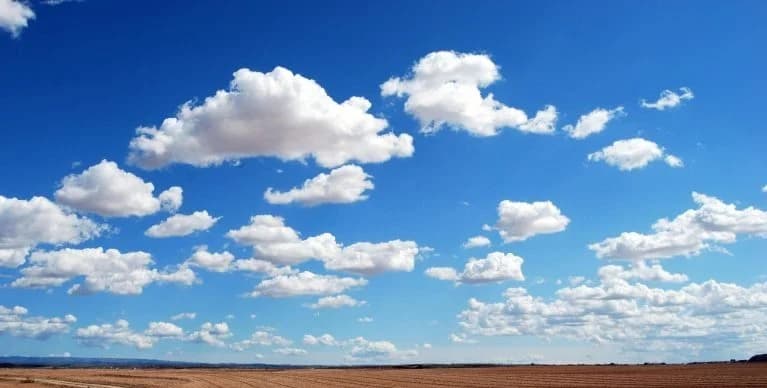
Kenyans must brace for a week of climatic extremes as a radiative cooling phenomenon takes hold. The Weatherman forecasts scorching daytime heat followed by bone-chilling nights, dispelling "fake news" of a heatwave while confirming a very real dry spell.
The Kenya Meteorological Department (KMD) has issued a 28-day advisory warning of predominantly sunny and dry conditions across most of the country. This is not a standard summer forecast; it is a warning of "thermal shock." In the North-eastern and North-western counties—including Turkana, Garissa, and Marsabit—daytime mercury will aggressively breach the 30°C mark, creating furnace-like conditions that threaten to accelerate evaporation in already water-stressed zones.
While the sun bakes the land by day, the lack of cloud cover acts as a double-edged sword. Without a cloud blanket to trap heat, the ground rapidly loses warmth as soon as the sun sets. This will result in plummeting nighttime temperatures, particularly in the Central Highlands and Nairobi. Residents in Nyahururu, Nyeri, and parts of the Rift Valley should prepare for nights dipping below 10°C—a temperature cold enough to damage crops and compromise respiratory health.
The department was forced to step in after a viral WhatsApp message claimed a "deadly heatwave" was imminent. "That alert is fake," the KMD clarified, noting that while it is hot, the threshold for a scientific heatwave (temperatures consistently exceeding 32°C for three days in moderate zones) has not been met in Nairobi. However, for the coastal strip and arid lands, the distinction is semantic; it is simply hot.
This weather pattern is a hallmark of the transition from the short rains to the long rains, exacerbated by lingering global climate anomalies. For the farmer in Kitui, it means guarding against moisture loss; for the commuter in Nairobi, it means dressing for two different seasons in one day.
As the dry dust begins to swirl across the plains, the country looks skyward, not for the sun, but for the elusive clouds that bring both rain and warmth. Until March, however, the forecast remains: harsh sun, clear stars, and a biting wind.
Keep the conversation in one place—threads here stay linked to the story and in the forums.
Sign in to start a discussion
Start a conversation about this story and keep it linked here.
Other hot threads
E-sports and Gaming Community in Kenya
Active 10 months ago
The Role of Technology in Modern Agriculture (AgriTech)
Active 10 months ago
Popular Recreational Activities Across Counties
Active 10 months ago
Investing in Youth Sports Development Programs
Active 10 months ago