We're loading the full news article for you. This includes the article content, images, author information, and related articles.
Nobel laureate Ales Bialiatski and protest icon Maria Kolesnikova walk free in a historic diplomatic thaw that sees Washington lift curbs on fertilizer exports—a move with potential ripples for Kenyan agriculture.
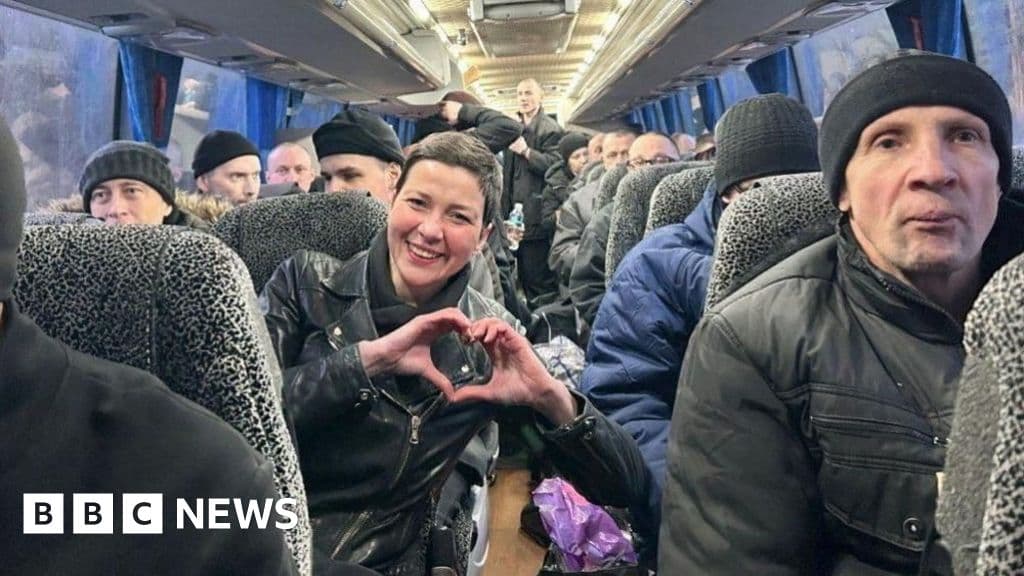
The famous red lipstick was back, and so was the smile that once galvanized a nation. Maria Kolesnikova, the flute player turned opposition leader who tore up her passport at the border rather than face exile, walked free this weekend, embracing friends in a video that instantly went viral across the globe.
She was not alone. In a massive prisoner release that has stunned observers, the Belarusian regime unlocked the cells of 123 political prisoners, including Nobel Peace Prize winner Ales Bialiatski. But behind the emotional reunions lies a calculated geopolitical exchange: the United States has lifted sanctions on Belarusian potash, a critical fertilizer ingredient.
For the families of the released, it is a miracle. For the global economy—and potentially for farmers in Kenya grappling with input costs—it is a signal that the diplomatic ice age between Minsk and the West is beginning to thaw.
The release follows intense negotiations between the administration of Belarusian President Alexander Lukashenko and US envoys. The deal is explicit: prisoners for potash. Belarus is a titan in the global fertilizer market, historically controlling about 20% of the world’s potash supply. Sanctions had choked this flow, spiking prices worldwide.
US Special Envoy John Coale, speaking from Minsk, confirmed the transactional nature of the breakthrough. "We're lifting sanctions, releasing prisoners. We're constantly talking to each other," Coale noted, describing the talks as "very productive."
This development is significant for Nairobi. As an agricultural powerhouse, Kenya is sensitive to global fertilizer fluctuations. While the direct supply chains are complex, the return of Belarusian potash to the open market could stabilize global prices, eventually lowering the cost of production for maize and tea farmers in the Rift Valley and Central Kenya.
Among the 123 released, Maria Kolesnikova’s face stands out. Sentenced to 11 years in 2021 for "conspiring to seize power," she became a global symbol of resistance during the 2020 protests against Lukashenko’s disputed re-election.
Her first words upon release were not of bitterness, but of solidarity. "It's a feeling of incredible happiness to see those who are dear to me, to hug them and realize we are all free," she told supporters, her resilience undimmed. "But I also think of those who are not yet free and I await the moment when we can all embrace."
Alongside her, the release of Ales Bialiatski, the 2022 Nobel Peace Prize laureate and founder of the Viasna human rights group, marks a monumental moment for civil society. Bialiatski had been serving a 10-year sentence, a punishment widely condemned by the international community as politically motivated.
Despite the joy, analysts warn against premature celebration. Opposition leader Sviatlana Tsikhanouskaya, operating from exile, welcomed the freedom of her colleagues but urged caution. She emphasized that while Lukashenko understands the "pain of Western sanctions," the fundamental nature of the regime remains unchanged.
As the sun set on her first day of freedom, Kolesnikova described the view as "a thing of great beauty." For the 123 families reunited this week, the long night is over. For the rest of the world, the hard work of balancing human rights with economic pragmatism has just begun.
Keep the conversation in one place—threads here stay linked to the story and in the forums.
Sign in to start a discussion
Start a conversation about this story and keep it linked here.
Other hot threads
E-sports and Gaming Community in Kenya
Active 9 months ago
The Role of Technology in Modern Agriculture (AgriTech)
Active 9 months ago
Popular Recreational Activities Across Counties
Active 9 months ago
Investing in Youth Sports Development Programs
Active 9 months ago



