We're loading the full news article for you. This includes the article content, images, author information, and related articles.
WHO statistics reveal that over 230 million women are survivors of FGM and 4 million girls are at risk annually, highlighting a critical lag in the race to eliminate the practice by 2030.
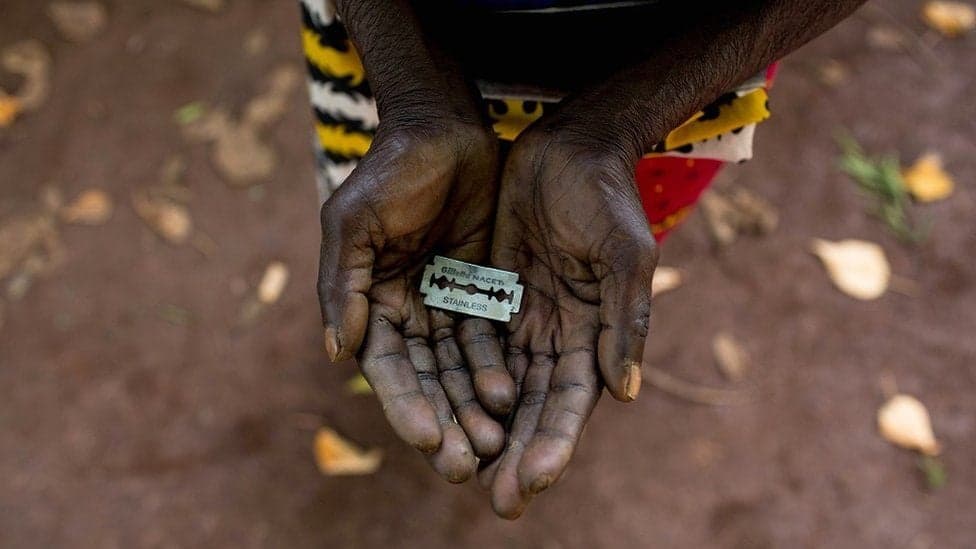
The numbers are staggering, but the pain is personal. The World Health Organization has released new statistics that cast a dark shadow over the global fight for gender equality: over 230 million girls and women alive today are survivors of Female Genital Mutilation (FGM), and every year, 4 million more are at risk of being cut.
This is not a statistic; it is a crisis of humanity. Despite decades of activism, laws, and global pledges, the blade is still moving. The WHO report reveals a disturbing resilience in the practice, driven by deep-rooted cultural norms and gender inequality. The increase in the number of survivors is partly due to population growth, but the risk remains stubbornly high, threatening to undo the hard-won progress of the last century.
FGM is recognized globally as a violation of human rights, a form of torture that leaves lifelong physical and psychological scars. The WHO's data paints a picture of a practice that is widespread across Africa, the Middle East, and Asia. It is a silent pandemic, often carried out in the shadows, behind the closed doors of tradition. "We are talking about 4 million childhoods stolen every year," a WHO spokesperson emphasized. "This is an emergency."
The health consequences are dire—chronic pain, infection, complications in childbirth, and fatal bleeding. Yet, the social pressure to conform keeps the practice alive. In many communities, it is seen as a rite of passage, a prerequisite for marriage, making it a difficult cycle to break.
The global community has set a target to eliminate FGM by 2030 as part of the Sustainable Development Goals. But the current pace of decline is too slow. To meet the target, progress needs to be 27 times faster. It is a race against time, and right now, we are losing.
The WHO statistics are a wake-up call. They remind us that for millions of girls, the threat is not abstract—it is imminent. We cannot look away.
The world knows the scale of the problem. The question remains: do we have the will to stop it? For the 4 million girls at risk this year, the answer cannot come soon enough.
Keep the conversation in one place—threads here stay linked to the story and in the forums.
Sign in to start a discussion
Start a conversation about this story and keep it linked here.
Other hot threads
E-sports and Gaming Community in Kenya
Active 9 months ago
The Role of Technology in Modern Agriculture (AgriTech)
Active 9 months ago
Popular Recreational Activities Across Counties
Active 9 months ago
Investing in Youth Sports Development Programs
Active 9 months ago



