We're loading the full news article for you. This includes the article content, images, author information, and related articles.
Barham Salih of Iraq, who once fled persecution under Saddam Hussein, will take the helm of the UNHCR amid record global displacement—a move with significant implications for host nations like Kenya.
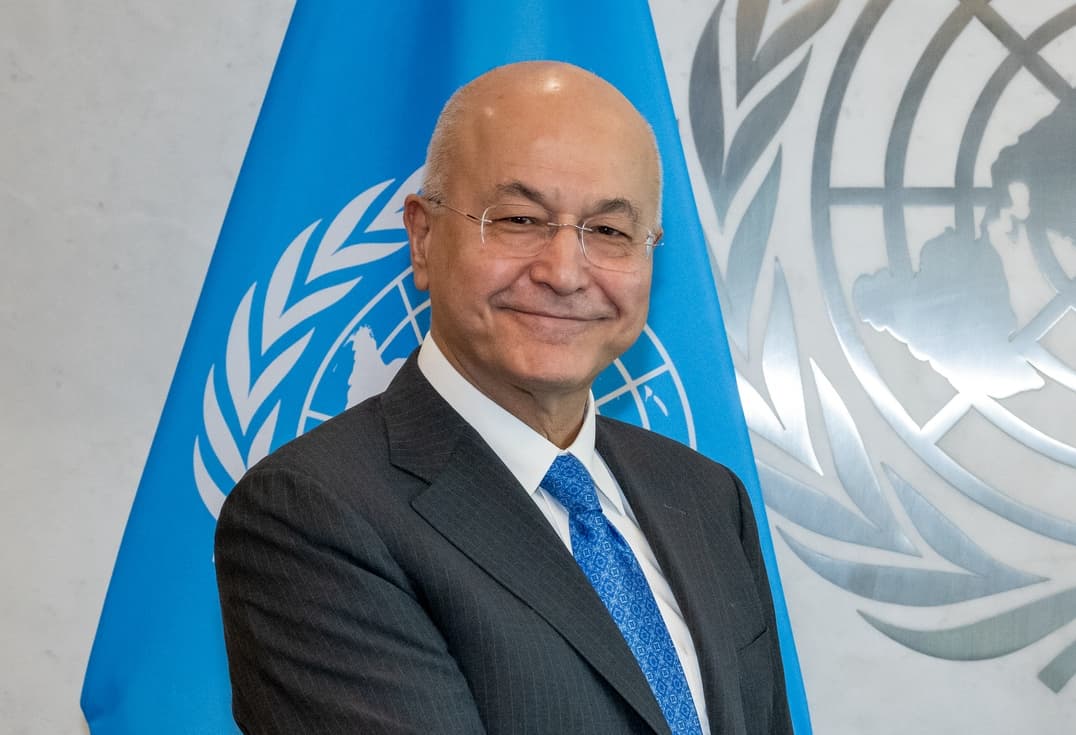
A man who once fled his own country will now lead the world's top refugee agency. The UN General Assembly on Thursday elected former Iraqi President Barham Salih as the next High Commissioner for Refugees, a historic appointment placing a former refugee in charge of the very system that protects the displaced.
The decision comes as the world grapples with unprecedented levels of displacement, making Salih's lived experience a powerful symbol for millions. For Kenya, a nation hosting hundreds of thousands of refugees, this leadership change in Geneva could signal a renewed focus on the complex realities faced by both displaced populations and the communities that shelter them.
Salih, 65, was elected by consensus and will begin his five-year term on January 1, 2026. He succeeds Italy's Filippo Grandi, who has led the agency for a decade through multiple global crises. In a statement, Salih noted that his personal history will directly shape his approach. "As a former refugee, I know first-hand how protection and opportunity can change the course of a life," he emphasized.
Salih's appointment is not merely symbolic. He inherits an agency confronting immense challenges, including deep funding cuts and what one report calls the highest-ever recorded number of forcibly displaced people. His leadership will be immediately tested by ongoing conflicts and humanitarian emergencies across the globe.
The context for his tenure is stark, both globally and locally:
Salih pledged that his priority would be to uphold the rights and dignity of refugees while pursuing lasting solutions to prevent displacement from becoming a permanent fate. This resonates deeply in Kenya, where camps established decades ago have become permanent homes for generations, and resettlement opportunities to third countries are dwindling.
While many have welcomed the appointment, some analysts have pointed to Salih's political record in Iraq, urging a focus on action over symbolism. The coming years will reveal how his unique perspective translates into policy for the millions who, like him, were once forced to flee.
Keep the conversation in one place—threads here stay linked to the story and in the forums.
Sign in to start a discussion
Start a conversation about this story and keep it linked here.
Other hot threads
E-sports and Gaming Community in Kenya
Active 9 months ago
The Role of Technology in Modern Agriculture (AgriTech)
Active 9 months ago
Popular Recreational Activities Across Counties
Active 9 months ago
Investing in Youth Sports Development Programs
Active 9 months ago



