We're loading the full news article for you. This includes the article content, images, author information, and related articles.
Kenya’s reliance on foreign food deepens as failed rains disrupt local production, forcing the country to spend billions on wheat, rice, and sugar imports.
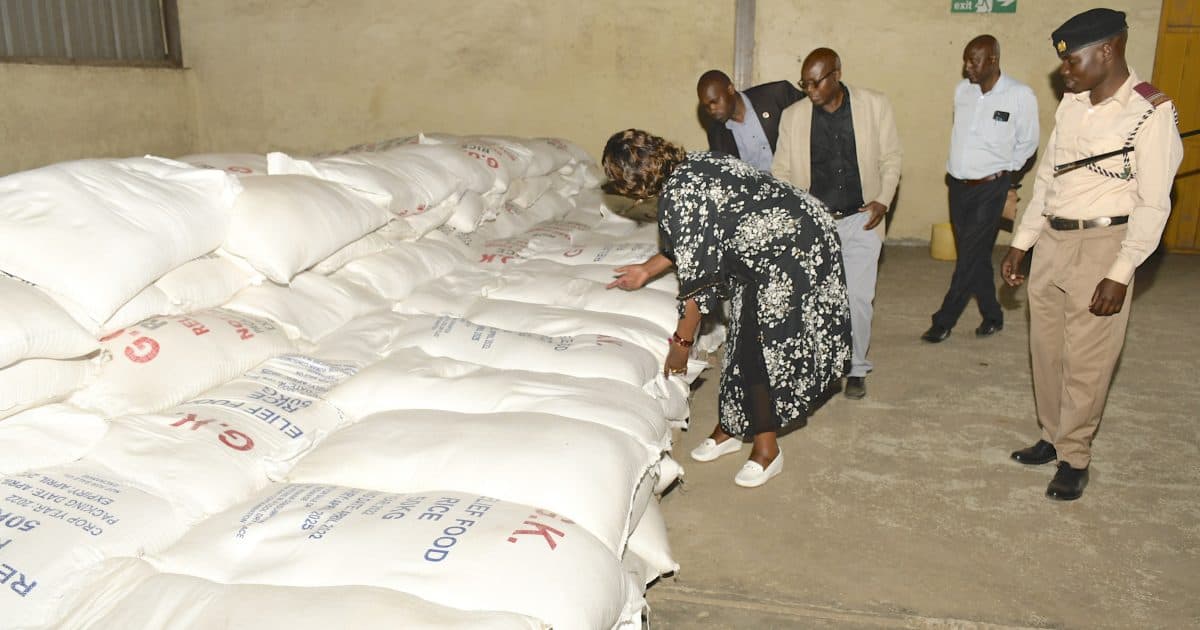
The numbers on the ledger tell a worrying story of vulnerability. In 2025, Kenya spent a staggering Sh288.1 billion on food imports, a sharp rebound from Sh283.3 billion the previous year, exposing the fragility of the nation`s food security systems.
Data from the Kenya National Bureau of Statistics (KNBS) reveals that the increase was driven by "cost pressure" and a weak performance of the October-December short rains. When the skies fail, the ships sail. The country was forced to turn to international markets to plug deficits in key commodities like wheat, rice, and sugar—staples that Kenya consumes in bulk but produces in deficit.
The Sh4.8 billion increase might look modest on paper (1.7%), but it signals a reversal of the gains made in 2024. That year saw a dip in imports due to bumper harvests subsidized by cheap fertilizer. Now, the pendulum has swung back. The "drought tax" is being paid in foreign currency, putting pressure on the shilling and draining forex reserves that could be used for development projects.
Major import partners like China and India continue to dominate the trade balance, supplying not just food but the industrial machinery that accounts for the lion`s share of the import bill. However, the food component is the most politically sensitive. A country that cannot feed itself is a country at the mercy of global supply chains.
Economists warn that this cycle is unsustainable. Spending nearly Sh300 billion annually—equivalent to the cost of several Thika Superhighways—just to eat is a drain on national wealth.
The government’s strategy of subsidizing production is the right long-term play, but nature has a vote, and lately, it has been voting "No". Until Kenya can climate-proof its agriculture through irrigation and drought-resistant crops, the import bill will remain a barometer of the nation’s thirst.
Keep the conversation in one place—threads here stay linked to the story and in the forums.
Sign in to start a discussion
Start a conversation about this story and keep it linked here.
Other hot threads
E-sports and Gaming Community in Kenya
Active 9 months ago
The Role of Technology in Modern Agriculture (AgriTech)
Active 9 months ago
Popular Recreational Activities Across Counties
Active 9 months ago
Investing in Youth Sports Development Programs
Active 9 months ago



