We're loading the full news article for you. This includes the article content, images, author information, and related articles.
As unseasonal freezing temperatures grip Florida, cold-stunned green iguanas are plummeting from the canopy, shedding light on an ecological disaster that holds profound lessons for East Africa.
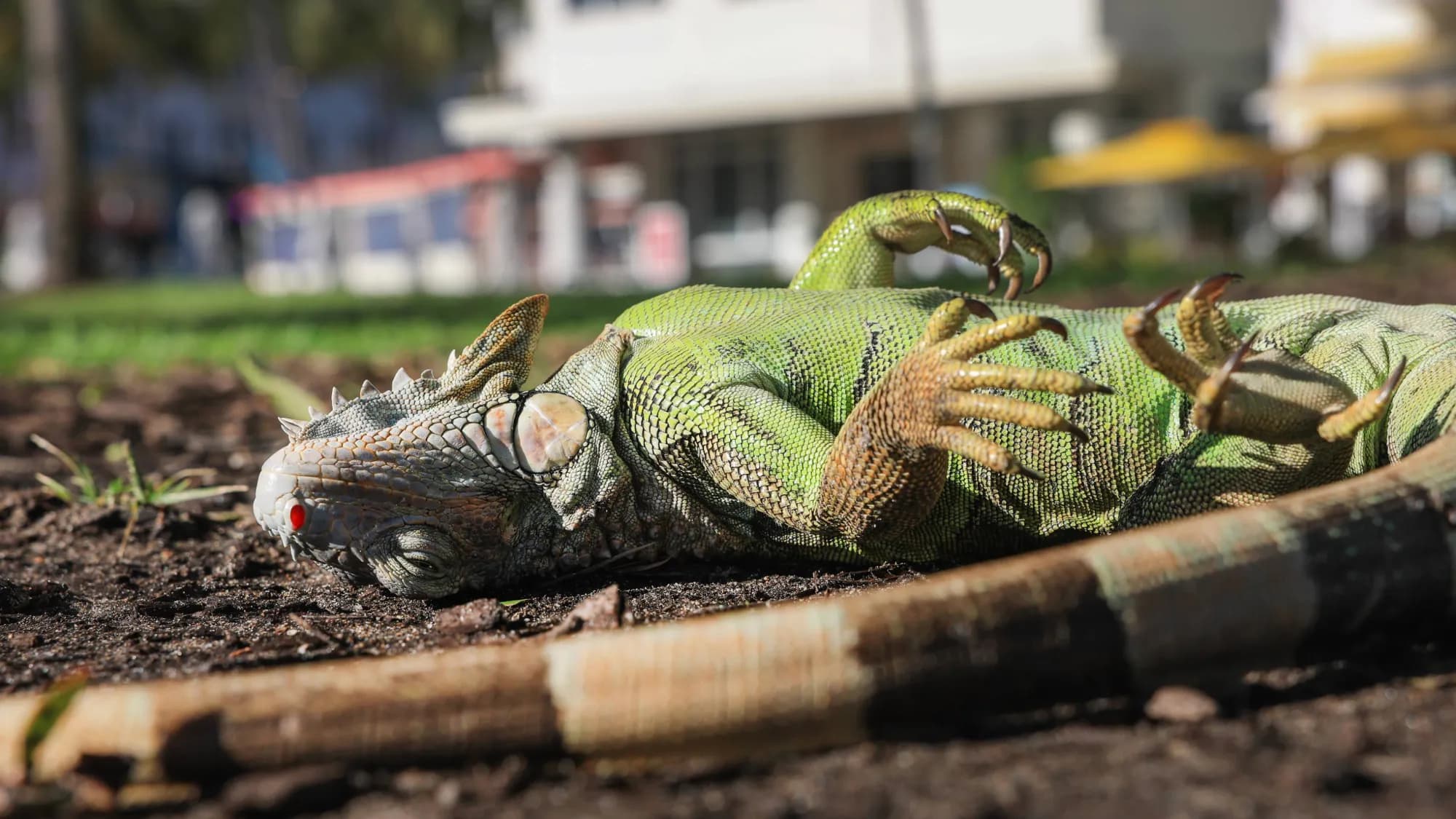
As unseasonal freezing temperatures grip Florida, cold-stunned green iguanas are plummeting from the canopy, shedding light on an ecological disaster that holds profound lessons for East Africa's own battles with destructive alien species.
The subtropical paradise of Florida is currently experiencing a bizarre meteorological phenomenon, with plunging temperatures causing heavy green iguanas to lose their grip and rain down onto suburban streets.
This dramatic climatic event, triggered by a deep freeze unseen in over a century, has brought the staggering scale of Florida's invasive reptile problem into sharp focus. As authorities scramble to manage the fallout, the crisis serves as a stark warning about the irreversible damage caused by introduced species in vulnerable ecosystems worldwide.
Green iguanas are cold-blooded creatures native to the sweltering climates of Central and South America. They are fundamentally unequipped to handle the sudden dips in temperature that occasionally strike the southern United States. When the mercury drops below 10 degrees Celsius, their bodies enter a state of suspended animation known as cold-stunning.
This physiological reaction shuts down their muscle control, leading to the surreal sight of large lizards falling from trees. While they appear deceased, they are merely paralyzed, awaiting the sun's warmth to thaw their blood. Wildlife experts emphasize that this dormant state does not solve the long-term issue, as the reptiles quickly revive once temperatures rise.
The Florida Fish and Wildlife Conservation Commission (FWC) has actively updated its guidelines in response. The agency is encouraging homeowners to humanely dispatch these pests while they are incapacitated, a grim but necessary tactic in the ongoing war against an unchecked biological invasion.
The presence of green iguanas in Florida is not a natural occurrence but a disastrous consequence of the exotic pet trade dating back to the 1960s. Escaped or released individuals found a haven devoid of natural predators. Today, they are an ecological menace of staggering proportions.
These herbivores consume vast quantities of native flora, directly threatening the survival of indigenous species. Their insatiable appetite extends to agricultural crops and ornamental gardens, causing millions of dollars in economic damage. Furthermore, their extensive burrowing habits undermine seawalls, sidewalks, and the foundations of homes, creating severe infrastructure hazards.
This multifaceted threat has forced municipalities to adopt aggressive eradication strategies, officially classifying the green iguana as a prohibited species that can be exterminated on private property without a permit.
For observers in Kenya, Florida's iguana crisis feels uncomfortably familiar. East Africa has its own long-standing battles with invasive species that were introduced with benign intentions but subsequently wreaked havoc on local environments.
Consider the Mathenge weed (Prosopis juliflora), initially introduced to combat desertification in arid regions like Baringo. It has since become an unstoppable force, devastating indigenous grazing lands and depleting the water table. Similarly, the Indian House Crow continues to decimate local bird populations in coastal cities like Mombasa, demonstrating how alien species can fundamentally alter a habitat.
The parallels are striking. Whether dealing with a giant lizard in Miami or an aggressive shrub in the Great Rift Valley, the underlying lesson remains the same: introducing non-native organisms carries profound, unpredictable risks. Managing these invasions requires immense financial resources, sustained political will, and robust community engagement.
The FWC's recent regulatory adjustments aim to streamline the management of the iguana population. By easing the rules surrounding the capture and transportation of live iguanas out of state, authorities are hoping to incentivize private pest control efforts.
However, this approach highlights the immense complexities of wildlife management in a densely populated urban environment. Balancing public safety, animal welfare concerns, and ecological preservation is a monumental task. The mass stunning event has sparked intense debates about the ethics of eradication campaigns, even when the target is a documented threat.
The global conservation community must observe Florida's struggles carefully. As climate change continues to shift environmental boundaries, the migration and establishment of invasive species will likely accelerate, demanding proactive rather than reactive policy frameworks.
"Nature always attempts to reset the scales, but it is human intervention that must now correct the original sin of introduction," notes an environmental policy analyst.
Keep the conversation in one place—threads here stay linked to the story and in the forums.
Sign in to start a discussion
Start a conversation about this story and keep it linked here.
Other hot threads
E-sports and Gaming Community in Kenya
Active 9 months ago
The Role of Technology in Modern Agriculture (AgriTech)
Active 9 months ago
Popular Recreational Activities Across Counties
Active 9 months ago
Investing in Youth Sports Development Programs
Active 9 months ago