We're loading the full news article for you. This includes the article content, images, author information, and related articles.
The Football Kenya Federation launches a high-powered oversight committee to clean up the sport's tarnished image after years of scandals, aiming to enforce transparency and win back corporate sponsors.
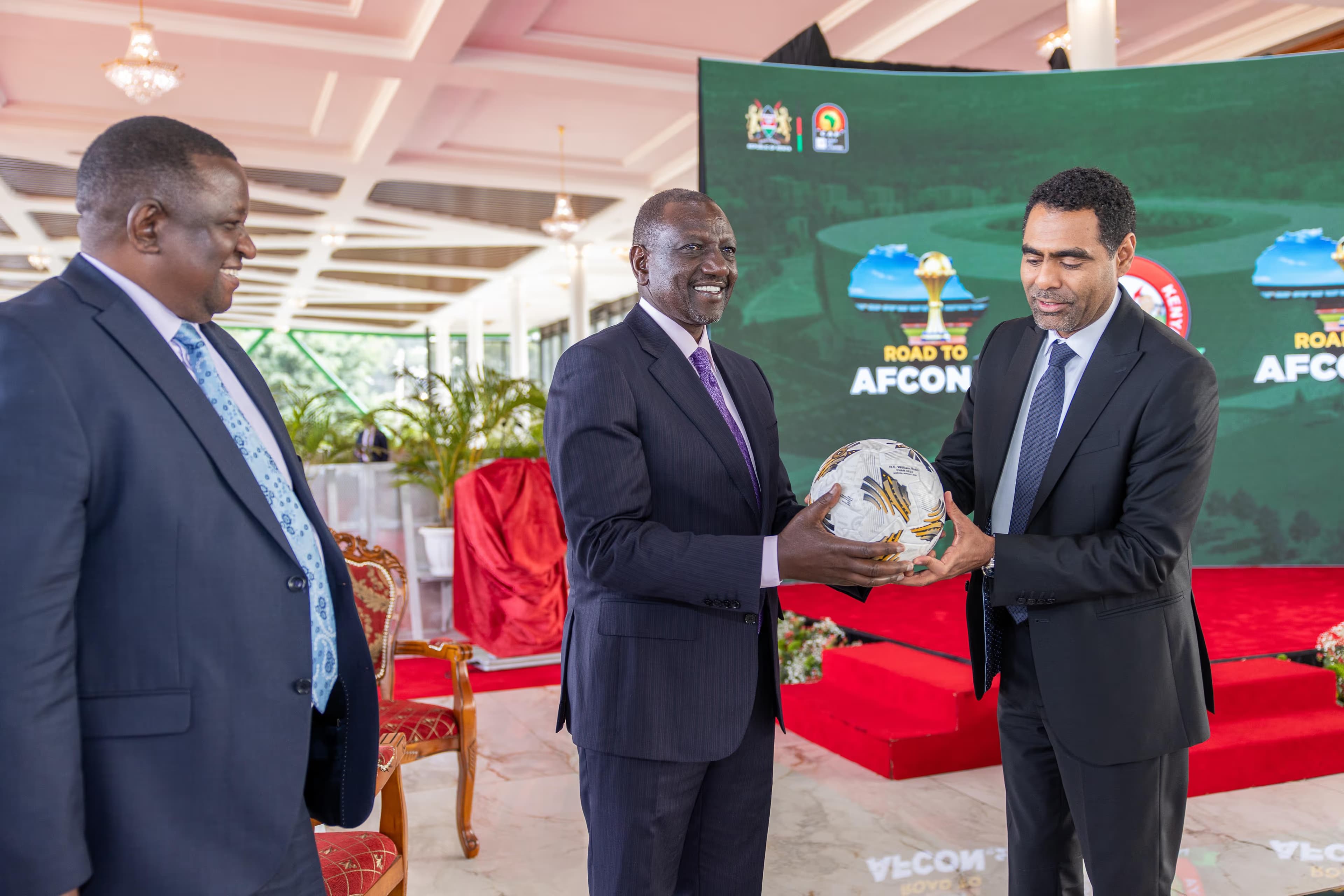
NAIROBI, KENYA – The Football Kenya Federation (FKF) on Tuesday, 4th November 2025, launched a new Football Oversight Committee in a significant move aimed at restoring credibility and financial stability to the Kenyan game. The committee, composed of chief executives from leading public and private sector organizations, is tasked with a dual mandate: rebuilding trust with stakeholders and creating a transparent environment to attract sustainable corporate investment.
Speaking at the launch in Nairobi, FKF President Hussein Mohammed described the initiative as a "major milestone" in the transformation of the country's football landscape. "Kenyan football's transformation depends on strong partnerships, accountability, and sustainable investment," he stated, emphasizing the goal of measurable value for sponsors and strengthening the financial health of leagues and development programs.
The formation of this committee comes against a backdrop of persistent challenges that have plagued Kenyan football for over a decade. The sport has been marred by allegations of financial mismanagement, administrative wrangles, and a damaging loss of public and corporate confidence. These issues culminated in a nine-month suspension by the world governing body, FIFA, in February 2022, citing government interference after the Ministry of Sports disbanded the FKF executive over corruption allegations. The ban was lifted in November 2022 after the new government reinstated the federation.
This history of instability has had severe financial consequences. The Kenyan Premier League has operated for extended periods without a title sponsor, leaving many clubs in financial distress and struggling to pay players and officials. The lack of stable sponsorship has been a significant drag on the league's growth and professionalism. While a new 10-year sponsorship deal was announced in July 2025, the need for broader, systemic governance reform has remained a priority for stakeholders.
The new oversight body is expected to function as an independent integrity watchdog. According to the FKF, its core responsibilities will include ensuring transparency in financial management, overseeing governance structures, and building a credible platform for investment. This move is seen as a direct response to long-standing calls from fans, sponsors, and the government for greater accountability within the sport.
The collaboration with the Ministry of Youth Affairs, Creative Economy, and Sports, currently led by Cabinet Secretary Ababu Namwamba, is central to the initiative's success. The government has been vocal about its commitment to cleaning up sports federations and ensuring compliance with the Sports Act. This joint effort aims to create a professional environment that supports player development from the grassroots to the national teams, the Harambee Stars and Harambee Starlets.
Analysts suggest that the committee's effectiveness will hinge on its independence and its power to enforce its recommendations. Unlike previous ad-hoc or normalization committees which were often formed in moments of crisis, this body is being established proactively by the federation itself, signaling a potential shift towards self-regulation and a commitment to reform from within.
The launch of the oversight committee is a critical step, but stakeholders remain cautiously optimistic. The challenges are deeply entrenched, ranging from allegations of match-fixing to inadequate infrastructure. For the committee to succeed, it must move beyond diagnostics and implement concrete, enforceable reforms that lead to tangible outcomes, such as unqualified annual audits, public financial reports, and a clear framework for commercial partnerships.
The ultimate measure of its success will be the return of robust, long-term corporate sponsorship across all tiers of Kenyan football and a renewed sense of trust among the Kenyan public. As one FKF official noted, the goal is to build a football ecosystem based on "trust and due process." The journey to restore Kenyan football to its former glory is long, but the establishment of this oversight body may prove to be the decisive first step.
Keep the conversation in one place—threads here stay linked to the story and in the forums.
Sign in to start a discussion
Start a conversation about this story and keep it linked here.
Other hot threads
E-sports and Gaming Community in Kenya
Active 9 months ago
The Role of Technology in Modern Agriculture (AgriTech)
Active 9 months ago
Popular Recreational Activities Across Counties
Active 9 months ago
Investing in Youth Sports Development Programs
Active 9 months ago