We're loading the full news article for you. This includes the article content, images, author information, and related articles.
As 2025 fades, the region is haunted by Tanzania’s bloody October, Uganda’s looming January polls, and a Kenyan economy that is growing on paper but hurting in the pocket.

The fireworks lighting up the Nairobi skyline tonight feel less like a celebration and more like a distraction. As the clock ticks past midnight into 2026, the smoke drifting over East Africa isn’t just from pyrotechnics—it is the lingering haze of tear gas in Dar es Salaam and the dust of convoys rushing toward a tense election in Kampala.
For the first time in a decade, the East African Community (EAC) enters a new year with its democratic credentials in tatters and its economic engine sputtering. While official data projects resilience, the reality on the ground—from the streets of Gulu to the markets of Eldoret—tells a story of unresolved wounds. The region is entering 2026 not with a bang of optimism, but with a collective holding of breath.
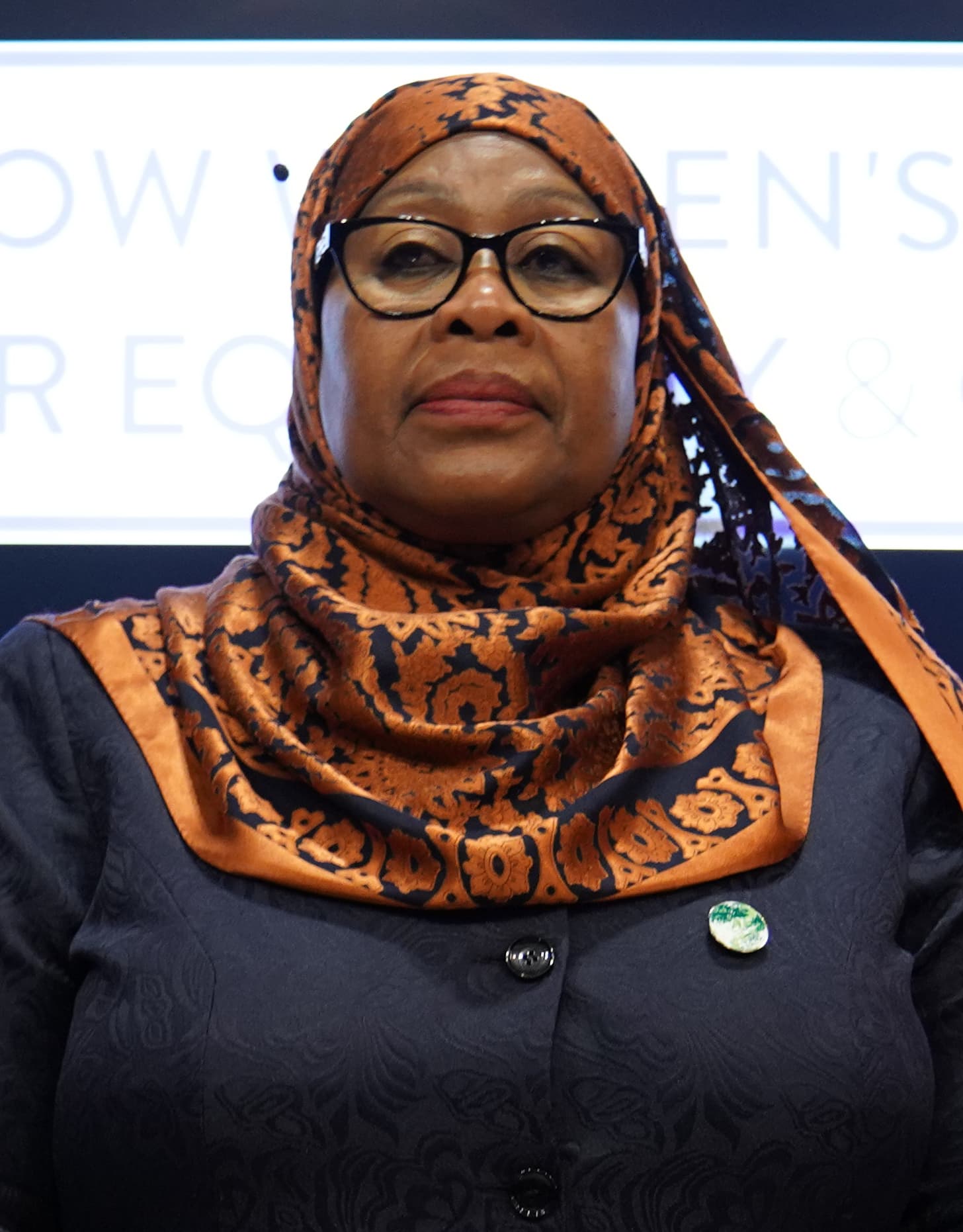
The most gaping wound lies to the south. Two months after the October 29 general election, Tanzania remains in a state of shock. The official results, which handed President Samia Suluhu Hassan a staggering 98% of the vote, have done little to stabilize the nation. Instead, they have shattered the illusion of Tanzania as the region’s sleeping giant of peace.
"We are seeing a level of repression that makes the Magufuli era look mild," noted a senior analyst at a Nairobi-based governance think tank, who requested anonymity due to the sensitivity of cross-border relations. Opposition claims of over 1,000 deaths during the post-election protests remain unverified by independent bodies, largely because those bodies have been systematically dismantled or barred.
For Kenyans, the instability next door is not just a political tragedy; it is an economic threat. Disruption at the Namanga border has already cost traders millions in lost perishable goods. If the simmering anger in Arusha and Mwanza boils over again in 2026, the trade corridor that feeds much of the region could be severed.
If Tanzania is the wound, Uganda is the knife edge. With the general election scheduled for mid-January—mere weeks away—the atmosphere in Kampala is electric with fear. The campaign period, which began in October, has been marred by violence, including the December 6 assault on opposition leader Robert Kyagulanyi (Bobi Wine) in Gulu.
President Yoweri Museveni, seeking to extend his four-decade rule, faces a demographic time bomb: a restless youth population that sees no future in the status quo. Security forces have already been deployed in record numbers across the capital.
"The northern corridor is the lifeline for Rwanda, DRC, and South Sudan," warned James Shikwati, an economic analyst. "Any disruption in Uganda during these polls will cause fuel prices in the interior to spike within days."
Closer to home, the challenge is less about bullets and more about bread. The International Monetary Fund (IMF) may have projected Kenya’s growth at a respectable 4.8% for 2025, but for the mama mboga in Gikomba, those numbers are fiction. The cost of living remains stubbornly high, driven by a tax regime designed to service a public debt that stood at nearly KES 12 trillion (approx. $92 billion) earlier this year.
The shilling has stabilized, trading in the 130–140 range against the dollar, but the cost of doing business has skyrocketed. The 2025/26 fiscal deficit, projected at over KES 830 billion, means the government will likely continue its aggressive tax collection drive into the new year. For the average Kenyan household, 2026 promises to be another year of tightening belts that are already out of notches.
Amidst the political drama, the humanitarian catastrophe in Sudan continues to bleed. With the Rapid Support Forces (RSF) capturing El Fasher in late 2025, the conflict has created what the UN calls the "world’s largest displacement crisis." While Nairobi celebrates, millions to the north are facing famine.
As we toast to the New Year, let us not be blinded by the lights. 2026 demands more than hope; it demands vigilance. The fractures in our region are deep, and it will take more than a calendar change to heal them.
Keep the conversation in one place—threads here stay linked to the story and in the forums.
Sign in to start a discussion
Start a conversation about this story and keep it linked here.
Other hot threads
E-sports and Gaming Community in Kenya
Active 9 months ago
The Role of Technology in Modern Agriculture (AgriTech)
Active 9 months ago
Popular Recreational Activities Across Counties
Active 9 months ago
Investing in Youth Sports Development Programs
Active 9 months ago
Key figures and persons of interest featured in this article