We're loading the full news article for you. This includes the article content, images, author information, and related articles.
The Australian Federal Police have confirmed receiving crime reports following inflammatory anti-Muslim remarks made by One Nation leader Pauline Hanson.
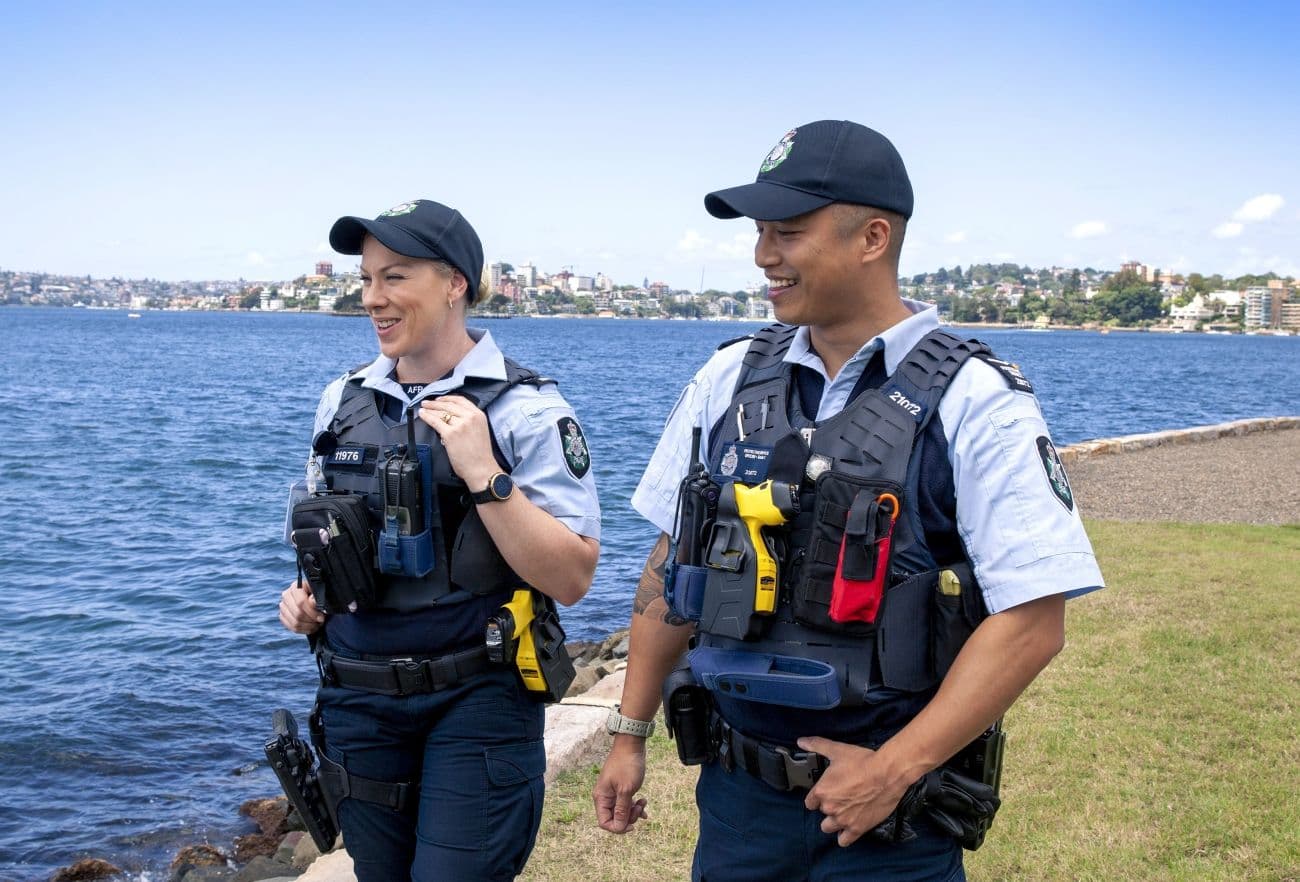
The Australian Federal Police have confirmed receiving crime reports following inflammatory anti-Muslim remarks made by One Nation leader Pauline Hanson, sparking intense outrage and demands for criminal charges.
The perennial specter of Islamophobia has once again ignited a fierce political firestorm in Australia. Pauline Hanson, the polarizing leader of the One Nation party, is facing severe legal and public scrutiny after publicly questioning the existence of "good Muslims" during a televised broadcast.
For the East African diaspora in Australia—which includes substantial Somali, Kenyan, and Sudanese Muslim communities—these comments are not mere political theater; they are dangerous catalysts for real-world hostility. The immediate fallout has been palpable, with Canterbury-Bankstown Mayor Bilal El-Hayek warning that such high-profile hate speech "will incite someone" to violence.
Hanson's remarks were triggered by a debate concerning the repatriation of Australian women and children trapped in Syrian camps. Dismissing the nuance of the humanitarian crisis, she bluntly stated, "How can you tell me there are good Muslims?" Furthermore, she targeted Lakemba, a culturally diverse suburb with a high Muslim population, describing it as a place where people "feel unwanted."
The reaction from local leadership has been swift and unforgiving. Mayor El-Hayek, representing an area where over 23 percent of residents identify as Muslim, has publicly demanded that Hanson face charges under Australia's strict hate speech laws. These laws specifically prohibit public incitement of hatred based on race, religion, or gender.
The consequences of Hanson's rhetoric are already manifesting in the community. The Lakemba Mosque, one of Australia's largest Islamic centers, recently received its third threatening letter in mere weeks, occurring ominously close to the holy month of Ramadan. This escalation of intimidation highlights the direct correlation between reckless political speech and community endangerment.
The ongoing situation raises critical questions regarding the boundaries of political immunity:
The controversy surrounding Pauline Hanson serves as a grim warning to democracies worldwide, including those in East Africa grappling with their own ethnic and religious fault lines. When leaders weaponize prejudice for political gain, they erode the foundational trust required for multicultural societies to function safely.
As the AFP reviews the crime reports, the international community watches closely. The outcome of this incident will set a definitive precedent regarding the tolerance of institutionalized bigotry in modern Australia.
Hate speech cloaked in political commentary remains a poison; society's refusal to swallow it is the only viable antidote.
Keep the conversation in one place—threads here stay linked to the story and in the forums.
Sign in to start a discussion
Start a conversation about this story and keep it linked here.
Other hot threads
E-sports and Gaming Community in Kenya
Active 9 months ago
The Role of Technology in Modern Agriculture (AgriTech)
Active 9 months ago
Popular Recreational Activities Across Counties
Active 9 months ago
Investing in Youth Sports Development Programs
Active 9 months ago